
OPINION: On TV & Video
Fox’s Roku Deal Signals The Next Phase Of Television
The future of TV isn’t traditional vs. CTV. Rather, it’s a partnership of two sides. Fox and Roku represent this convergence.

The future of TV isn’t traditional vs. CTV. Rather, it’s a partnership of two sides. Fox and Roku represent this convergence.
Remember last month when James Murdoch’s Lupa Systems acquired roughly half of Vox Media, specifically New York Magazine, Vox and its podcast network? Well, the other shoe – err, sale – has dropped.

Ask Ad Manger offers instant troubleshooting help when a campaign isn’t delivering as expected, ideally by diagnosing the problem and suggesting how to fix it.
Some DOJ staffers wanted to challenge the Paramount/WBD merger on antitrust grounds; ad tech M&A is poised to pick up; and social media marketers want to normalize controversial clipping.
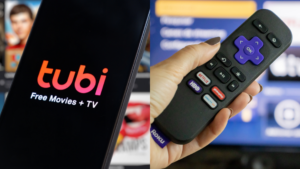
It’s long felt like a foregone conclusion that Roku would eventually get gobbled up by a much bigger fish. Now, the day has finally arrived.

How can companies put ads in new places without hurting the user experience? Smart TV makers, like Samsung, are adding programmatic ads to the home screen, and Roblox will now show ads to users under 13. We examine the trade-offs as platforms expand their ad footprint.

With deterministic data like cookies becoming less reliable, advertising’s real value comes from being able to predict where audiences will be and how and when to reach them.

StatSocial launched Digital Twins, which allows brands to simulate audience research using AI-generated profiles built from behavioral data. One of the earliest testers, Shepherd, an audience strategy consultancy, is using it to test news products for niche audiences.
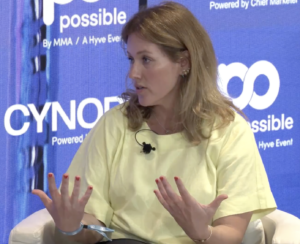
Marketers and media buyers are gradually getting more comfortable talking about ad campaigns they’re testing on large-language models like OpenAI’s ChatGPT.
In Connected TV Ad Land, proving performance is the priority for video advertisers. To drive more demonstrable reach and results, publishers are trying to expand their reach while wringing more data and AI features into their offerings.
As performance takes center-stage in more advertising discussions, demands to solve fragmentation and cruddy measurement are reaching a fever pitch.
A word of caution to digital advertising companies, as they go all in on AI algorithms: They need to build these solutions with ownership, governance and accountability from the start – or AI could sink them with a single mistake.

Roblox is making its under-13 audience available to advertisers for the first time. And it named youth-focused ad marketplace SuperAwesome as its exclusive advertising partner for under-13 users.

Prebid is turning the page on what might be called its second chapter as the organization navigates some major changes in the digital advertising landscape and within its own ranks.

Amazon Publisher Services released a host of tools, such as Signal IQ, to help publishers see which bidstream signals drive demand. Pinpointing which signals drive higher revenue is key for publishers.
TV piracy of sports streams is siphoning away millions of viewers. Then: Vox Media and BuzzFeed found new owners this spring, punctuating the end of the pageview era.

Roku unveiled its new home screen, which includes new features designed to further personalize the home screen experience for each viewer.

Rather than fighting the rising tide of AI search engines and agentic tools, Microsoft AI’s Nikhil Kolar says publishers and retailers should license access to their sites and create content that speaks directly to AI crawlers.
Hollywood shifts away from Cannes; SpaceX prepares to go public; and publishers aren’t prioritizing pageviews anymore.

Coming back from POSSIBLE last month, one thing stood out to me: Streaming TV has entered a much more operational phase. The conversation has evolved from where streaming is headed to how marketers drive better performance today. The content and conversations focused on how AI can improve campaign execution, how data can sharpen targeting and measurement and how channels work together within broader omnichannel strategies.
This year’s TV Upfronts buzzwords are in: performance, dynamic, AI and fandom We explain why this quartet of phrases wove their way through the presentations.
Another TV upfronts season is in the books. Please send your condolences to Senior Editor Alyssa Boyle and Associate Editor Victoria McNally as they reluctantly return to reality and their overstuffed inboxes.
Bloomberg produces hours of live content a day, between its TV channel and its network of global and business news publications. And it’s shifting its contextual targeting focus beyond standard display ads to live video.

LLM environments introduce new dimensions to brand safety and suitability. Understanding them is the starting point for testing ChatGPT ads.

Netflix expands its ad ambitions with new programmatic tools; OpenAP pushes cross-publisher CAPI measurement for TV ads; Starlink bidstream data reportedly fuels surveillance tracking.

Audiences that reach publisher sites but leave little to no trace in analytics are referred to as dark traffic. At Penske Media Corporation, shining a light on dark traffic is part of a broader recalibration of how the publisher thinks about audience growth.

InMobi acquires Apple ad startup MobileAction; the hallucination problem is real; and microdrama are being nonconsensually “nudified” with AI tools.

TTD confirmed that this CTV publisher’s errors would have made its UID2s useless for ad targeting. But TTD also said it wouldn’t have had enough information to flag the issue.
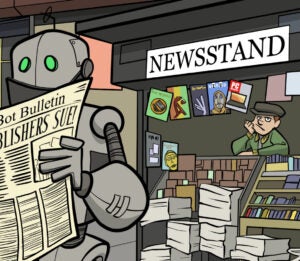
People Inc. previewed plans to downsize by focusing mainly on its key properties. The strategy makes sense considering its publishing portfolio has lost about two-thirds of its Google traffic.

There is a clear set of capabilities that CTV OEMs and streamers can offer advertisers that the original content owner cannot. Here are the most material gaps that the buy side experiences between supply sent from the publisher and supply sent from distributors.

The Trade Desk is less than a third as valuable as it was a year ago. It retains about one-tenth of its high-water market cap from December 2024, when the company was worth almost $70 billion. Why did investors lose the faith?

McGrath left Prebid in June following five years as board chairman after stepping down as SVP of product management at Magnite. But now, overseeing Prebid will be his full-time job.

Telly, the startup that gives away free smart TVs in exchange for data and ad exposure, is making its home screen ads available for brands to buy programmatically – and pushing for industry standards to help attract more spend.


L’Oréal adopted creative AI platform Springboards to generate creative ideas that led to a collaborative, ongoing ideation process.
Google won’t have to break up its ads business after being declared an online monopolist. Meanwhile, Amazon faces a lawsuit from the FTC alleging that it charged advertisers more than necessary for ecommerce ads.

Buy-side experts said it’s another example of a Big Tech platform taking advantage of the lack of transparency built into programmatic ad auctions. And they’re not optimistic change is coming.