The Third Delay For Third-Party Cookies Leaves Ad Tech In Limbo
Cookies aren’t going anywhere. Behind Google’s third missed deadline to remove third-party cookies from Chrome. And what it means for ad tech.
The IAB projects digital video ad spend will rise to $63 billion in 2024, representing a 16% increase from last year. Of the three video ad categories the report breaks out (social and online video and CTV), the clear winner is social video.
Habits are easy to form and hard to break. But occasionally, the world helps you out with a giant push toward a better path. With Google (finally) phasing out third-party cookies this year, digital marketers have the chance for a fresh start: It’s time to go beyond surface-level demographics and psychographics to move toward location-based targeting that not just understands interest but predicts intent.
Bonbon gives users rewards – such as discounts or chances to win merchandise – for setting up email registrations with publishers. Now The Trade Desk’s OpenPass will include that same rewards functionality.
Ibotta’s evolution since it was founded 13 years ago – it went public last week – is emblematic of the industry’s overall transition from third-party data marketplaces to first-party and retail media data.
In today’s newsletter: President Joe Biden signs the TikTok ban into law; upscale grocery and convenience store chain Foxtrot closes down; and IPG has a rough Q1.
Streaming services with the best chances of survival are those that can turn their media into a performance marketing channel with targeting and attribution that looks and feels like digital advertising – at least according to investors on Wall Street.
Digital media agency Hotspex Media’s emotional contextual tool, Reticle AI, analyzes the emotions an ad is trying to evoke and the context of where the ad might show up to find congruent ad placements.
Why does MFA continue to thrive? MFA monetization benefits everyone in the ad tech ecosystem that collects a revenue share. That includes both SSPs and DSPs.
In today’s newsletter: Another fin tech platform joins the ad tech fray; Temu’s runaway spending may be driving up Meta ad prices; and company emails reveal the power struggle between Google Ads and Google Search.
Google announces it’s delaying its self-imposed deadline to deprecate third-party cookies on Chrome for the third time.
To build a first-party data strategy, the NY Post contracted Permutive and Prohaska Consulting for advice on monetizing its audience data and growing its addressable audience. The collaboration prompted Permutive and Prohaska to expand their combined services to all publishers.
Quad Media President Joshua Lowcock asks all ad tech partners for log files as a matter of course. And if a company isn’t willing to hand them over, that’s a sign it’s probably hiding something. Plus: The fallacy of scale and pondering the true role of a third-party verification partner.
Pour one out for third-party data. These days, AB InBev’s digital marketing strategy is built squarely on first-party data.
In today’s newsletter: Google’s new generative AI image tool within its campaign planning product has some major limitations; Grindr faces a class-action claim over its data-sharing practices; and Snap snaps up political ads.
The APRA is the first serious attempt at a compromise to pass national privacy legislation since the American Data Privacy and Protection Act failed to advance last year.
The 4A’s measurement committee, a working group for marketers and media buyers to discuss their opinions and concerns about video ad measurement, has some thoughts on the status of alternative TV currencies.
Global Privacy Controls should be less of an on/off switch, and more of a dimmer switch that reflects online privacy preferences across a continuum from restrictive to permissive.
In today’s newsletter: P&G boosts paid media budgets by 14%; why lower subscription prices aren’t enough to sustain the current rate of ad-supported streaming signups; and news publishers follow the NYT’s lead by using games to retain visitors.
Netflix grew its overall revenue by 15% year over year, largely driven by account growth, thanks to anti-password sharing tactics. It also unveiled new ad measurement options for advertisers.
Moonbug Entertainment, a content studio whose portfolio includes kid favorites such as CoComelon and Blippi, is trying to bring some form of ad measurement to children’s content through a new partnership with iSpot.
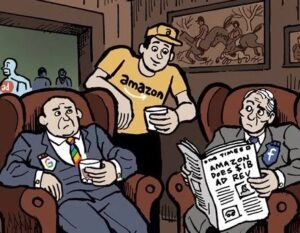
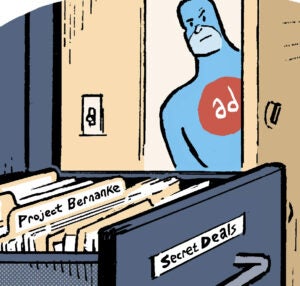
Enjoy this weekly comic strip from AdExchanger.com that highlights the digital advertising ecosystem …
In today’s newsletter: The marketing data ecosystem is key for fin tech; media buyers acknowledge YouTube as part of their TV strategies; and Threads will launch ads later this year.
AdExchanger and AdMonsters are pleased to announce the honorees for the 2024 Top Women in Media & Ad Tech Awards! An awards gala will follow on June 3 in NYC.
One side effect of signal loss? Media mix modeling is coming back in fashion. Google’s Meridian is the latest entrant in the MMM space, which is being embraced by large ad platforms and startups alike. Plus: Differentiating between shoppable TV and T-commerce.
American consumers are buying more and more online products directly from Chinese manufacturers. It’s an important change, though many online shoppers are unaware.
Despite forceful calls for a shakeup of the digital ad business from the main stage at the Possible conference in Miami this week, the online ad industry remains locked in a harmful holding pattern.
In today’s newsletter: The European Data Protection Board outlaws Meta’s “Pay or OK” model; Walmart sharpens its conquesting tools; and Roku seeks more ad supply.
YouTube announced a new feature that allows advertisers to buy ads within YouTube Shorts specifically for particular content categories.
Television commerce, or T-commerce, is similar to shoppable TV: both refer to buying something you see on television. But shoppable TV is far more nascent – and also has different implications on attribution.