
As MMM Rides Again, Google Finds Its Place In The Conversation With Meridian
Tracking is a mess. Attribution is broken beyond repair. IP address identity data may go the way of the dodo. Which means marketing mix modeling is back, baby!
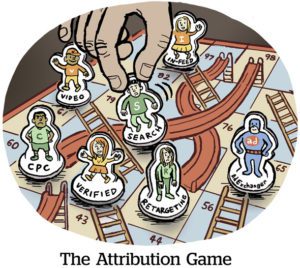
Tracking is a mess. Attribution is broken beyond repair. IP address identity data may go the way of the dodo. Which means marketing mix modeling is back, baby!

The industry reacts to Forbes’ hidden MFA site. Plus: a dispatch from the Global Privacy Summit in Washington, DC, where ad tech was a hot topic.

Last year, eyeo partnered with a university student initiative in Munich to have students find new approaches to using AI in the company’s online ad filtering.

INCRMNTAL’s new platform uses causal AI models to measure and help marketers understand the relationship between cause and effect.

In today’s newsletter: Data broker Adstra sues IPG-owned Acxiom and Kinesso; Apple could strip the P address of its status as a useful identity signal; and Roblox will introduce video ads later this year, with SSP PubMatic as its programmatic vendor.

Knotch launched a revamped version of its platform called Knotch One that combines content measurement with generative-AI-powered content optimization.

One morning in the near future, you’ll open your favorite mobile app or visit your favorite website and face a sign-up wall that didn’t exist before. Targeted advertising is under threat.

Jeromy Sonne began bootstrapping his ad optimization and analytics startup Daypart.AI in 2023, having missed the heady days of low interest rates. Still, there’s gold in them thar hills for a programmatic startup that isn’t exactly a DSP, isn’t built on cookie-based data and is native to cloud-based advertising.

Is consolidation among clean rooms actually going to make things any cleaner when it comes to collaboration, accessibility and pricing?

YouTube is expanding its affiliate and shopping monetization products. Plus: Publishers are revamping their site and content quality to bear as little resemblance as possible to made-for-advertising sites.

Only a small handful of identity solutions will still be standing within the next five years, according to ID5 CEO Mathieu Roche – and he intends ID5 to be one of them.

TV inventory shrinks as supply paths proliferate. To help organize the chaos, video ad server Innovid launched a new SPO product called Harmony Direct to give media buyers the shortest path possible to CTV ad supply.

Industry experts weigh in on Forbes’s MFA subdomain and why ad verification tools still regularly fail to flag some instances of alleged SIVT.

Garcia made waves last year when she publicly resigned her role as UM Worldwide’s chief privacy and responsibility officer.

In today’s newsletter: The internet doesn’t have enough data to train generative AI models; publisher squabbles over the Privacy Sandbox could delay cookie deprecation; and a federal privacy law is in the works.

Advertising is now a regulated industry. And with enforcement coming at the state and federal level, data privacy standardization is an urgent issue.

As ecommerce adoption has grown, measurement has shifted away from proxies towards metrics that show business results – a move away from clicks and views towards sales and profitable growth.

I spent the week in Washington, DC, attending two privacy- and public policy-focused events and I have a single takeaway from both: Enforcement. Is. Coming.

In today’s newsletter: Shoppable TV needs a better reason to exist; Disney+ will roll out password-sharing bans worldwide this summer; and “Bluey” is a huge hit, but Disney doesn’t make much from it.
TV ad buying platform Cadent acquires AdTheorent, setting its sights on omnichannel. Also in this episode: The less-than-kosher attribution game that retail media networks are playing with brands.
Now that alternative TV currencies have passed the initial sniff tests, how should buyers and sellers compare their viewership numbers? The leaders of Nielsen, Comscore, iSpot and VideoAmp gathered onstage during the Coalition of Innovative Media Measurement summit in New York City to answer that question.

URLs and domains – even those of big-name publisher brands – cannot be trusted in isolation. Buyers need to look at page-level data, too.
Enjoy this weekly comic strip from AdExchanger.com that highlights the digital advertising ecosystem …

In today’s newsletter: Adalytics reveals Forbes was running a separate MFA sub-domain; The New York Times seeks to use attention benchmarking to validate its premium publisher status; and Google is reportedly looking to buy HubSpot.

Here are a few fun facts about the CPPA that you can trot out at cocktail parties (depending on whether you hang out with privacy nerds).

LinkedIn has new connected TV ad placements to help its B2B marketers target audiences off-platform, while they’re streaming shows and movies.

Driver Studios, which has a COPPA-compliant ads business, is expanding its targeting to include more adults via a new partnership with privacy startup Qonsent.

AdExchanger caught up with Zefr’s new chief AI officer, Jon Morra, about his role and how digital media will adapt (or acquiesce) to AI tech.
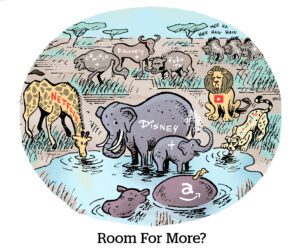
Big streamers aren’t joining the JIC, which could spell trouble for the broadcaster-backed organization; Spotify raises prices again; Chase gets into retail media.

It may appear as if The California Privacy Protection Agency has been in hibernation mode. But don’t let that fool you. The bear is awake and it’s got an appetite.