
TTD To Join The S&P; The Age Of Influence
The Trade Desk makes the S&P 500, triggering a stock price rebound; Estée Lauder is the latest big legacy brand to embrace influencers; and CMOs are trying to measure their return on AI, but it’s tricky.

The Trade Desk makes the S&P 500, triggering a stock price rebound; Estée Lauder is the latest big legacy brand to embrace influencers; and CMOs are trying to measure their return on AI, but it’s tricky.

Alliant will integrate AnalyticsIQ’s audience modeling platform, which is based on user surveys and studies of health, wellness and cognitive psychology.

But publishers have more power than they think to authenticate their audiences – they’ve just gotta learn how to wield it.
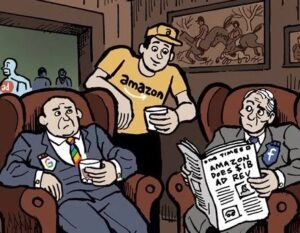
The Amazon DSP vs. The Trade Desk rumor mill; How SharkNinja has stayed sharp; Why nothing beats organic.
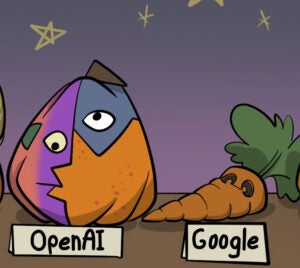
AI-generated mystery pages are appearing on brand sites; Amazon Prime Video doubles its ad load; and bipartisan efforts to protect kids online get a new partisan focus under the Trump admin.

The Trade Desk is adding a new retail tool to its data marketplace toolkit – or a new element to its periodic table, if you will.

For The Trade Desk, about 90% of campaigns using structured deal IDs via private marketplaces don’t scale at all. Fixing this frustrating deal ID failure rate was the impetus for a new product called Deal Desk.

OMD’s Emily Proctor outlined the criteria the ad agency uses to evaluate alt IDs. She also shared which five IDs OMD uses most often and why.

Google’s DV360 adding attention as optimization signal could finally help wean buyers and platforms off bidding on ad inventory based on viewability.

Marketing On Autopilot Companies that build AI-powered marketing software have been framing the technology as a friendly helper. Nothing to fear here, just an eager “copilot” ready to serve. The AI “copilot” that first comes to mind for most people is Microsoft’s generative AI chatbot of the same name. GitHub, meanwhile, which is owned by […]

The Trade Desk released OpenSincera on Tuesday, a free API integration that posts ad impression data on publishers and tech vendors.

If you felt a strange gust around 5 p.m. ET on Thursday, it was probably just the cumulative sighs of relief across Wall Street as The Trade Desk shook off its Q4 blues with a better-than-expected first quarter earnings report.

Does a connected TV DSP need lower take rates? Inside the battle among DSP’s to take on The Trade Desk’s dominant market position. Plus: an on-the-ground report from the TV Newfronts.
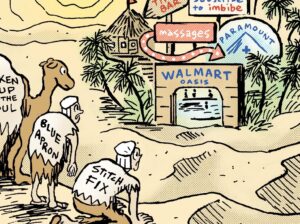
Why did Walmart buy Vizio? What happens when a CTV campaign turns on the S&P500+? Is Google losing its search engine edge?
It’s knives out for The Trade Desk’s take rate as competitors slash the demand side’s margin and pile on the incumbent during a moment of rare vulnerability.

In 2017, Mediaocean CEO Bill Wise predicted the demise of supply-side platforms. The category survived, but he’s sticking to his theory that pureplay SSPs are a thing of the past. Plus: An update on Mediaocean’s $550 million Innovid acquisition and Wise’s counterpoint to recent criticisms of The Trade Desk.

Many well-intentioned advertising standards efforts gather digital dust thanks to industry politics and competing interests. Here’s how the industry can stop sabotaging its own progress.

After adopting OpenPath, Freestar pubs now see 3x higher inventory fill rate from The Trade Desk demand and 27% higher programmatic revenue from these buyers.
After six months of pilot testing with The Trade Desk, Spotify launched its ad exchange on Wednesday and added new supply and demand partners to the mix.

Why is programmatic media buying so dang complicated? That question was an ever-present topic at the 2025 ANA Media Conference in Orlando, Florida this week.

Industry experts agree that the bot activity analyzed in the latest Adalytics report is among the easiest type of invalid traffic to spot.

An Adalytics report released Friday details numerous instances of brands serving ads to known bots that appear on the IAB Tech Lab’s International Spiders and Bots list and TAG’s Data Center IP List.
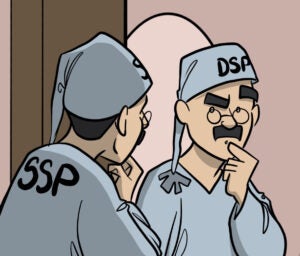
Warner Bros. Discovery officially launched OpenPath last week, with the goal of driving demand for its news sites’ display inventory. But for now, CTV is not part of the integration.
The Trade Desk’s weak Q4 emboldened the company’s critics; DOGE’s cuts to federal agencies are hurting ad agencies; and President Trump fires the two remaining Democratic FTC commissioners.

Microsoft ad sales vet Rob Wilk joined Yahoo last year to lead revenue for the company’s advertising business with one main goal in mind: to evangelize Yahoo’s owned-and-operated properties. Most advertisers just aren’t aware of the inventory Yahoo has to offer – and that’s on Yahoo.

Sonos’s woes ding The Trade Desk; WPP’s AI investments may not keep Coke from switching to Publicis; and feminized Swedish tobacco products find an audience in the US manosphere.
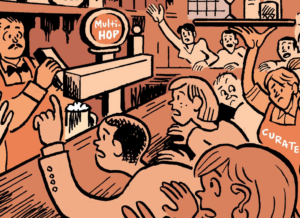
Just because curated PMPs and direct-to-DSP deals are trendy doesn’t mean they should be the focus of every publisher’s tech stack.
Programmatic algorithms optimize for performance, which can leave digital media companies floundering. Inside programmatic’s pursuit of “premium.” Plus: an ad tech acquisition forged on matchmaking buy-side and sell-side IDs.
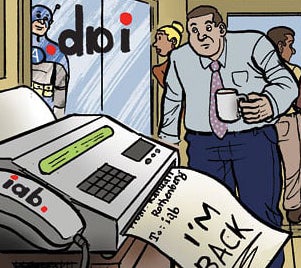
T-Mobile may be considering an acquisition in the mobile data market; Google’s glitch shuts down ads for a weekend; and ad tech’s old guard is salivating over AI startups.

To zero in on premium inventory, The Trade Desk is analyzing metadata signals about ad placements and pushing adoption of its alternative ID. It’s also betting the farm on CTV.