
How DPG Media Built Its Own (Mostly) Google-Free Ad Platform
Retracing DPG Media’s journey to disentangle itself from the influence of Google’s ad platform and compete for direct ad budgets.
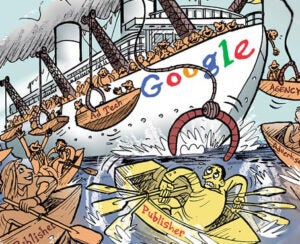
Retracing DPG Media’s journey to disentangle itself from the influence of Google’s ad platform and compete for direct ad budgets.
Disney redirects subscribers to its site to avoid Apple’s App Store fee; ad tech IPOs are in a lull, but the tech companies that are going public rely on ads for growth; and a Democratic PAC spent $30 million on Spanish-language ads.

A tool popular with law enforcement can track devices to sensitive locations. Plus, black boxes are getting a bit more transparent.

With the growing number of social media users paying for a premium and often ad-free service, how can marketers engage these audiences?

Despite Chrome’s cookie deprecation turnaround, a comprehensive CAPI strategy remains crucial for brands advertising on Meta, LinkedIn and Snap – yet many advertisers are dragging their feet. Why the reluctance?
Nobody likes social media bots… but what about users who act like bots? Plus, even telling someone to go vote might get your content flagged.

Fertility companies are having their ads blocked on Google, TikTok and Meta. Plus, will the digital dark ages soon be upon us?

PayPal officially launched its ads business. Plus, Media buyers are worried that “an advertising mistake can become the news.”

Enjoy this weekly comic strip from AdExchanger.com that highlights the digital advertising ecosystem …

Google isn’t perfect. But it offers convenient, cost-effective advertising tools that millions of small businesses use to find customers, grow and succeed. If the DOJ breaks up the company, it will also break those tools.

A web crime ring that sold Facebook account service tickets collapses in dramatic fashion; how US antitrust precedent could inform the DOJ/Google ad tech trial; and more publishers turn to paywalls as the open web shuts its gates.

Welcome to Week Three of the US vs. Google ad tech antitrust trial. Plus, ews publishers are turning to WhatsApp for traffic.

Two of the EU’s biggest Big Tech antagonists are set to resign; a GAM breakup could usher in post-ad-server programmatic; and how Google kept Prebid separate from the IAB Tech Lab.

In today’s newsletter: Google Demand Gen is the industry’s latest over-attribution controversy; data from third-party brokers might not be worth it; and The Trade Desk launches a CTV operating system.
In today’s newsletter: Google paid $445 million in rebates in 2018; publishers across the ideological spectrum blame brand safety for hurting the media biz; and Mark Zuckerberg apologizes to Congressional Republicans for Meta’s content moderation.

Special guest and prolific ad tech investor Eric Franchi of Aperiam Ventures discusses his firm’s recent bet on attention metrics startup Adelaide. Plus: What’s up with Meta’s new third-party attribution partnerships?

The growth of Walmart’s ads business and third-party marketplace are separate, it says. Plus, Google and Meta’ve been targeting teens for a while.

In today’s newsletter: Digital twins are marketers’ cool new AI tool; Netflix pulls a Prime Video and defaults lapsed subscribers to the ad-supported tier; and California compromises with Big Tech on two journalism bills.

Adelaide used this latest cash injection to boost its valuation to $60 million ahead of an all-stock acquisition of Rita, an Amsterdam-based data marketplace with a focus on the EU.

Publishers are in the business of selling their readers’ attention to advertisers. But in response to consumer preferences and regulatory pressure, publishers should reposition themselves as champions of data dignity.

In today’s newsletter: Google gets hit with another glitch; influencers fight gen AI provisions in their advertising contracts; and political fundraising pivots as social media bars campaign ads.

Social commerce is already huge in the Asia-Pacific market, and it’s poised to blow up worldwide. Here’s how the success of TikTok Shop forecasts the future development trends of ecommerce and social commerce in the US.

In today’s newsletter: Walmart’s hottest growth drivers are ads and subscriptions; why The Trade Desk’s UID 2.0 could be regulators’ next target; and how the growth of CTV content fortresses is preventing breakout streaming hits.

In today’s newsletter: How membership bundles are creating new forms of consumer-facing partnerships; typically unflappable platforms leap to action when billionaires are harmed by bad ads; and X’s GARM lawsuit helped politicize brand safety.

Hope you weren’t waiting to shop for Super Bowl ads – they’re almost sold out. Plus, Apple might be the ad tech dark horse.

In today’s newsletter: US rules Google has a monopoly in search, but not search ads; Nvidia’s unreleased AI has been scraping online video from YouTube, Netflix and others; and streaming app Max debuts a new personalized home page.

The acquisition puts Reddit in a better position to compete with Google, Meta, Amazon and TikTok, which all built or expanded their AI creative generation and optimization tools within the past year.

Meta’s stock jumped by nearly 7% in after-hours trading on Wednesday based on strong results, including $39.1 billion in total Q2 revenue.

The Threads app is a counterpoint to the argument that scale and reach are what count. Plus, the USPS has been disclosing info on customers.

Ad tech faces a GDPR compliance paradox. Plus, TikTok will make it harder to target teenagers and plans to give users more control.