
TV Buyers And Sellers Are Still Haggling Over CPMs; Meta Is (Back) On The Hot Seat
Upfront negotiations might take longer than normal this year. Plus, Meta is already in hot water with the EU’s new digital regulations.

Upfront negotiations might take longer than normal this year. Plus, Meta is already in hot water with the EU’s new digital regulations.

Ally’s newest Fortnite game, “Tee Time Speedrun,” launched last week to promote its sponsorship of the USGA and LGPA. The game ties into Ally’s goal of reaching gender parity in its sports sponsorships.

Social media companies don’t want to be called “social media” anymore. Plus: Claritas has hired Jefferies as a banker and is pursuing a sale.

The challenges facing digital advertising feel bigger than ever. But when you’re in Cannes, you can’t help but focus on the positives. Here are the six biggest ad industry trends and positive takeaways from this year’s show.

TTD confirmed to AdExchanger that, as of June 17, it had removed support for at least some of the online video inventory sold by Yahoo as a publisher.

AI was a hot topic at Cannes Lions, while Elon Musk used the festival as a shot at redemption for X. Plus: Expect more crypto ads this year.

Pandora can match the email addresses of its logged-in users to UID2 tokens, which can then be passed through AdsWizz, The Trade Desk and other ad platforms that integrate with UID2.

The Global Media Sustainability Framework, which was announced Monday during a panel at Cannes, saw collaboration across all parts of the industry. Supporters include the 4As, IAB, Dentsu, Google, GroupM, L’Oréal, Omnicom, Publicis Groupe, Mastercard, Meta and Unilever.

In today’s newsletter: Pinterest launches an ad optimization solution with familiar-sounding name; consumers can’t live without YouTube; and ad tech leaders try out trade journalism.

In today’s newsletter: What the surge in political ad spend on CTV looks like for the end user; Mars Wrigley tries to make gum stick online; and Google neglects Fitbit after mining it for data.

Advertisers see the value in AI. Still, there’s plenty of potential that remains untapped when it comes to developing creative.

Media governance measures advertisers can put in place to navigate the complexity of brand safety and gain better control of the quality of their media spend.

How big of a deal is The Trade Desk’s top 100 list? AdExchanger spoke to industry experts for their reactions and bounced some of their hot takes off The Trade Desk.
In today’s newsletter United Airlines gets into retail media; why AI fails to catch AI-generated content; and political advertisers flock to X for cheap impressions.

Since launch, 82% of advertisers that buy inventory through the Yahoo DSP have tried Backstage at least once. And buyers are seeing lower CPMs from cutting out SSPs.
In today’s newsletter: How changes in streaming ad inventory could impact upfront CPMs; video cracks 50% of engagement on Meta’s platform for the first time; and Apple is in talks to launch Apple TV+ in China.

Being able to share information about a group of people without compromising any individual person’s privacy kinda sounds like a form of wizardry. But it’s not. It’s just math.

Here’s today’s AdExchanger.com news round-up… Want it by email? Sign up here. Best Buy’s Best Bet Sales at Best Buy were down more than 6% from last year in Q2, as consumers cut back on discretionary purchases, especially electronics and home appliances. Best Buy’s shares jumped more than 10% on the news. Wait, what? Although sales […]

In today’s newsletter: Why Apple’s SKAdNetwork 4.0 is a bust; advertisers are irked by Google’s optimization-driven demand for different creative formats; The Trade Desk releases a baffling list of top 100 publishers.

RAG is a recently developed process to ingest, chunk, embed, store, retrieve and feed first-party data into AI models. Here’s how to use these tools to inject first-party data into your next AI-enabled campaign.

In today’s newsletter: Ampla suspends loans to DTC brands, putting their ad budgets at risk; why Sony is investing in IP rather than a streaming platform; and Netflix will move on from Microsoft in favor of in-house ad tech by 2025.

Audience targeting and online information campaigns have had some gnarly byproducts. Advertisers need to own our contributions to political polarization before it can get better.

Even if the industry finds a way to replace the cookie, it won’t matter if publishers no longer have traffic to monetize.

In today’s newsletter: Google tries to buy its way out of a jury trial in the DOJ’s antitrust case against its ads business; Walmart sees some of its best margins on ad sales; and TikTok tests 60-minute videos.

Enjoy this weekly comic strip from AdExchanger.com that highlights the digital advertising ecosystem …

In today’s newsletter: How the Amazon-TripleLift deal illustrates retail media’s need for standardization; legacy publishing brands persist as investors extract value from their name recognition; and mortgage lenders get caught sharing data with Meta.

Advertisers worried about MFA could take a cue from the mobile app ecosystem and focus on performance instead of viewability.
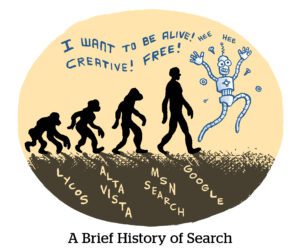
In today’s newsletter: Google’s generative search experience launches in the US; kid-focused brands worry Instagram is serving their ads to predators; Fox hypes clean rooms and shoppable TV at the upfronts.

BuzzFeed took another lap around its AI-related talking points as its advertising business took another lap around the drain.

In today’s newsletter: Companies looking to sell data target the US market; which media companies to bet on at TV upfronts; and generative AI data licensing is the new publisher revenue stream.

Performance CTV tech company Keynes launched an AI-powered platform. Tuckernuck says it can finally “pop open the hood” and see what’s working.

ROAS who? Martinelli’s is testing how crisp its retail media spend really is by using a new metric called incremental ROAS.

Media measurement provider Measured launched an MCP integration that allows brands to ask ChatGPT, Claude, Gemini and other AI platforms how their media is performing.


Roku unveiled its new home screen, which includes new features designed to further personalize the home screen experience for each viewer.

Email targeting in CTV has a credibility problem as buyers and sellers question whether one-to-one identity even fits a channel built for broader reach.

How does Spotify translate quirky Wrapped labels, like “divorced dad hipster,” into ad audiences? And is AI-generated content safe for brands? Spotify’s Global Head of Ad Product Katie English weighs in.