How Retail Media Takes Over Everything
Retail media has broken through some critical threshold, and is no longer the straightforward digitalization of shopper marketing budgets.
Mastercard launched an ad network; Meta plans to sell targeted ads based on engagement with its AI products; and the Washington Post is in trouble if Ad Chief Johanna Mayer-Jones departs.
Marketing has long struggled to prove itself as a growth engine. What if agentic AI isn’t the threat many fear but the breakthrough marketing always needed?
The fundamental shift from traditional search to AI chatbots has major implications for the entire marketing organization, says Bluefish CEO Alex Sherman. If brands want control over how they appear in AI search results, they must think about the content they feed to large language models.
Last year, Shipt went hunting for a DSP, eyeing new programmatic reach and hyper-local targeting down to the ZIP code.
Retail media is entering what might be called its Socratic phase. The closer we to get to understanding an ad campaign’s real impact and business results, the clearer it is that we have no idea how this thing works.
Criteo announced a partnership with Google Search Ads 360 (SA360), Google’s enterprise search advertising platform, making Criteo the first third-party vendor to integrate with Google for on-site retail media supply.
GAM’s dinner with ad agencies sparked speculation that Google is preparing to spin off its bundled SSP and ad server as a remedy to its ad tech monopoly. But Google says it’s just part of the trend of SSPs going direct to buyers.
In June, Marriott launched a new media network designed to connect its customers to relevant brands throughout the travel journey.
Commerce media is booming, and everyone wants a piece of it. For commerce media networks, servicing the growing pool of media buyers brings many new opportunities and new challenges.
Product prices and marketing budgets are flip sides of the same coin. But the phase-in effects of tariffs, combined with vicissitudes of global weather and commodity production, challenge that truism.
The competitive set has shifted and it’s stacked against independent DSPs. But, instead of chasing what competitors already own, TTD can own what they can’t: trust.
Walmart Connect’s deal with The Trade Desk isn’t so exclusive anymore; Amazon is competing with everyone except publishers; and Meta’s chatbots don’t exactly inspire confidence in the company’s ability to deliver effective AI tools.
Volta Media, which is owned by the gas station and energy giant Shell, will be shuttered by November and its network of more than 2,000 charging stations will be dismantled this year.
For a moment, it seemed that beverage aisles and refrigerator sections in chains across the country were cracking open for startups and independent brands to compete with Coca-Cola, Pepsi and Dr Pepper.
Criteo’s Q2 earnings report on Wednesday was marked by flatness.
Google’s AI search tools are creating a paradox; Amazon pulled its Google ad budgets; and now’s a great time for indie commerce ad tech startups.
Brian Gleason joined contextual ad platform Seedtag as CEO earlier this month after a stint as CRO and president of retail media at Criteo.
This year’s Amazon Prime Day event stood out in a couple important ways. One is the blasé results of Prime Day; the other is the guerilla pricing tactics adopted by brands and merchants that sell on Amazon and elsewhere across the web.
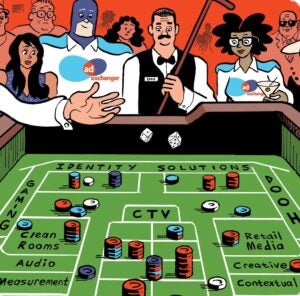
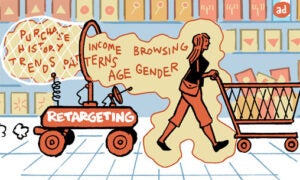
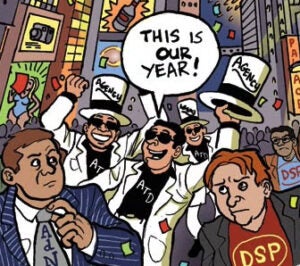
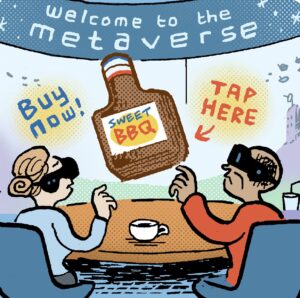
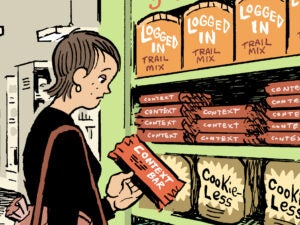
Enjoy this weekly comic from AdExchanger.com that highlights the digital advertising ecosystem …
Critics say the FTC’s deal with OMG/IPG prohibits agency practices that don’t exist. And it distracts from legitimate concerns about brand safety news blocking and principal media.
How Amazon uses the threat of knockoffs to win brand business; YouTube introduces new creator video metrics; and Substack is the latest platform to pivot to video.
Michelle Urwin, Chief Marketing Officer of Skai, joined Sarah Sluis at Cannes Lions 2025 to share the biggest shifts in commerce media . From Amazon’s expanding DSP and full-funnel capabilities to the rise of Agentic AI in campaign optimization, this conversation dives into how retail media is evolving fast, and how advertisers can keep up. […]
Today, David’s Bridal is as much an AI-powered tech company as it is a retailer of wedding apparel and accessories, according to Elina Vilk, president and chief business officer. The company recently unveiled a new digital transformation strategy centered on agentic AI and personalized experiences.
In this fast-paced and insightful conversation from Cannes, Michelle Urwin, Chief Marketing Officer at Skai, breaks down the top three trends shaping Amazon Ads and how advertisers are successfully targeting their rich data across platforms and devices driving more revenue and maximizing campaign performance.
Pub tech SaaS startup Swivel wants to make ad ops much less manual and time-consuming with an AI-driven yield optimization tool designed by people who used to build ad servers.
In a media landscape that’s more fragmented than ever, brands face mounting pressure to prove ROI and outmaneuver competitors, especially as budgets tighten. Nielsen’s Matt Devitt breaks down how marketers can gain a competitive edge by leveraging accurate, comparable data across channels and understanding their share of voice in the broader market. He also tackles […]
Crisp announced its acquisition of Cantactix, an in-store analytics company which helps retailers optimize their shelf space.
PayPal Ads SVP and GM Mark Grether joins Allison Schiff at Cannes 2025 to reveal how PayPal is leading a new category with financial media networks (FMNs). Unlike traditional retail or commerce media, PayPal Ads leverages its powerful “transaction graph” to deliver seamless, high-frequency campaigns across the open web. Grether discusses the recent launch of […]
With a growing array of platforms and channels competing for consumer attention, advertisers have been increasingly looking for ways to understand which ads and placements drive engagement and sales – not just engagement and sales that would have happened anyway but true incrementality.