
Experian Enters The Third-Party Data Onboarding Business
Experian entered the third-party data onboarder market on Tuesday with a new product based on its Tapad acquisition.

Experian entered the third-party data onboarder market on Tuesday with a new product based on its Tapad acquisition.

Albertsons is taking that first step into non-endemic advertising next week via a partnership with Rokt to serve ads to people who have already purchased groceries.
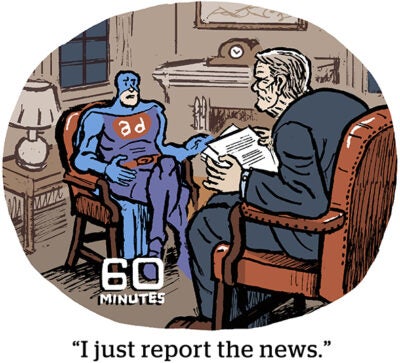
Marketecture has acquired AdTechGod – an anonymous ad tech Twitter poster turned one-man content studio – and the AdTech Forum, an information resource hosted by AdTechGod and Jeremy Bloom.

This week’s dispatch explores the new trend of false advertising class-action suits in the food and CPG industry and how the evolution of online, data-driven retail media could exacerbate the problem.

Contextual ad platform Seedtag acquires Beachfront, a supply-side platform that specializes in TV and video.

Unfortunately, we seem stuck with our longtime measurement standards, like the trusty old CPM and ROAS. But for change to happen, it must come from within.

Laptop fans can rest a little easier. A network of well-known MFA sites operated by Perion-owned Content IQ have been taken offline.

Well, that’s a wrap on Programmatic IO Las Vegas 2024! The AdExchanger editorial hopped on stage for a live recording of The Big Story to round up all the moments that made us go “a-ha” this week, including observations on commerce media, CTV and generative AI.

What if the new storefront is a person sitting on their couch and scrolling their phone?

It’s lawn season – and you know what that means. Scott’s Miracle-Gro commercials, of course. Except this time, spots for Scott’s will be brought to you by The Home Depot’s retail media network.

Sales are way up; ROAS is through the roof across search, social and ecommerce. At least, that’s what the ad platforms say.

The practice involves monetizing resold subdomains jammed with recycled MFA articles produced by notorious content farms.

Colossus SSP, a DEI-focused supply-side platform owned by Direct Digital Holdings (DDH), is the subject of Adalytics’ latest report released Friday. It’s a doozy.

The Trade Desk is focusing beyond the overall “open internet” and on what CEO Jeff Green calls the “premium internet.”

Google Search, the web’s largest traffic and revenue generator for two decades, is in the midst of sweeping overhauls that have already altered how users are funneled around the internet.

Digital-native brands are racing to break free of their social media roots to reach a broader base of US customers. For many brands, this means betting big on sports.

Criteo split out its retail media segment revenue for the first time during its earnings report on Thursday.
By next year, Google will have three separate business lines – Search, YouTube and Cloud – with an annual run rate to generate at least $100 billion, CEO Sundar Pichai told investors.

If you’re looking for a think piece about what Google’s most recent third-party cookie deprecation delay means for the online ad industry – this isn’t it. 😅

The IAB projects digital video ad spend will rise to $63 billion in 2024, representing a 16% increase from last year. Of the three video ad categories the report breaks out (social and online video and CTV), the clear winner is social video.

Pour one out for third-party data. These days, AB InBev’s digital marketing strategy is built squarely on first-party data.

The 4A’s measurement committee, a working group for marketers and media buyers to discuss their opinions and concerns about video ad measurement, has some thoughts on the status of alternative TV currencies.

American consumers are buying more and more online products directly from Chinese manufacturers. It’s an important change, though many online shoppers are unaware.

Television commerce, or T-commerce, is similar to shoppable TV: both refer to buying something you see on television. But shoppable TV is far more nascent – and also has different implications on attribution.

A booze brand and a “headless commerce” platform walk into a meeting with the CFO. That might sound like the setup for a punchline, but it’s just how mar tech works these days.

Tracking is a mess. Attribution is broken beyond repair. IP address identity data may go the way of the dodo. Which means marketing mix modeling is back, baby!
As ecommerce adoption has grown, measurement has shifted away from proxies towards metrics that show business results – a move away from clicks and views towards sales and profitable growth.

Retail media is built on its attribution quality, but real purchases can be gamed by programmatic metrics and create perverse incentives for RMNs to serve ads across low-quality inventory.

Google and Meta are playing with fire. Their opaque refund practices have already exposed them to customer blowback – and could lead to class-action lawsuits by disgruntled advertisers.

Mike Yeagley, an independent contractor who has scouted and acquired commercial data and technology on behalf of intelligence agencies, is one of the earliest evangelists of using ad tech tracking information to identify and surveil government targets.