
Condé At A Crossroads; The Cloud Wars Heat Up
Condé Nast doesn’t think advertising will save it; AWS strikes a blow against Google’s cloud service; and Paramount+ is going to have to pivot.
Condé Nast doesn’t think advertising will save it; AWS strikes a blow against Google’s cloud service; and Paramount+ is going to have to pivot.

A new integration between Amazon and Clinch allows advertisers to access Amazon custom audiences via a third-party platform.

Reddit sues four companies for scraping and selling (and buying) its data; Unity Software’s new zero-fee product is good news for mobile developers; and brands aren’t thrilled by TikTok shop’s latest updates.

PayPal Ads is continuing its new product announcement whirlwind with news that it’s partnering with the commerce media startup Rokt to bring non-endemic advertisers to some PayPal and Venmo post-payment pages.
Wouldn’t it be great to enact standards rather than talk about them?; Amazon wants to go fully automated; and revenue doesn’t seem to drop like search traffic does.

As the pendulum swings hard toward 1:1 personalization, a critical question emerges: Just because we can personalize every interaction, does it mean we should?

Walmart’s AI shopping deal with ChatGPT might ding its retail media biz; the MRC shares updates on which platforms won and lost accreditation; and kids’ sports streaming is becoming a real media channel.

AdExchanger caught up Milani CMO Jeremy Lowenstein about how the beauty brand fits into mass-market retail, in contrast to DTC and social-based brands.
Apple TV is losing its plus; Agentic AI is ruining the ad tech equilibrium; and Google insists that search is still solid.

The fate of the open web will be decided on who controls the data that drives monetization and the AI that determines distribution. Google controls both, and proposed remedies to its ad tech monopoly do not address this imbalance.
Retail media has broken through some critical threshold, and is no longer the straightforward digitalization of shopper marketing budgets.
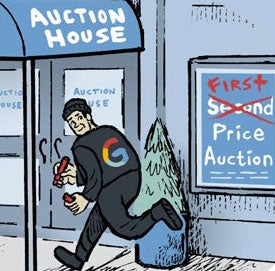
Ask advertisers, not Meta, how best to use Meta’s ad platform; holdcos and big brands are pressuring Big Tech to self-regulate; and how data-driven animal husbandry is impacting marketing.

ChatGPT and others continued the fragmentation of the search journey, which today hops between platforms and intents. The funnel no longer exists. Here’s how to pivot your brand’s SEO/GEO strategy.

Judge Leonie Brinkema is ready to be done with the DOJ v. Google saga; Amazon DSP comes out on top; and Mozilla brings programmatic ads to to the Firefox browser.
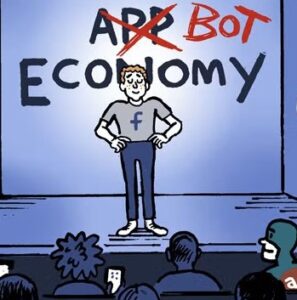
Mastercard launched an ad network; Meta plans to sell targeted ads based on engagement with its AI products; and the Washington Post is in trouble if Ad Chief Johanna Mayer-Jones departs.

Delivery apps are launching social networks now; Google is the latest Big Tech company to write a huge check to Trump; and ad agencies of all sizes apparently aren’t big enough.

Principal-based buying isn’t inherently bad. When incentives are aligned, clients get more precision and speed than traditional agency models often allow. The issue isn’t the mechanism; it’s the incentives.
Marketing films is one battle after another; AI gets stymied by the cloud; and bots are causing brand backlash.
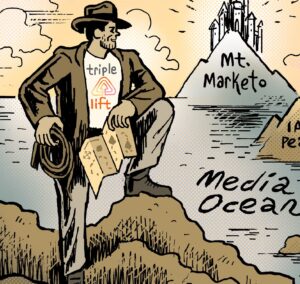
Private equity firm Novacap acquires IAS; many large online retailers are seeing an uptick in referral traffic from ChatGPT; and the IAB downgraded its US ad spend projection for the rest of the year.

Marketing has long struggled to prove itself as a growth engine. What if agentic AI isn’t the threat many fear but the breakthrough marketing always needed?

The fundamental shift from traditional search to AI chatbots has major implications for the entire marketing organization, says Bluefish CEO Alex Sherman. If brands want control over how they appear in AI search results, they must think about the content they feed to large language models.

In today’s digital advertising landscape, first-party data and clean rooms remain highly relevant. However, artificial intelligence (AI) has also been dominating much of the conversation lately.

Kimmel’s back, baybee; would ads make Wikipedia better, actually?; and Amazon gets accused of dark patterns.

Advertising using AI-doctored images could spark legal issues if the images are misleading. Plus: the commerce reckoning.
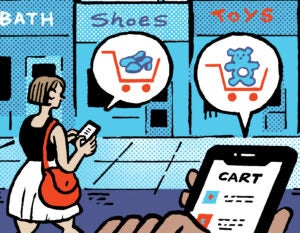
Last year, Shipt went hunting for a DSP, eyeing new programmatic reach and hyper-local targeting down to the ZIP code.

On Wednesday, Amazon introduced an agentic AI tool that brings all the image, video and audio generation capabilities of the company’s Creative Studio into its ad platform creative setup.

On Tuesday, Amazon DSP announced an expanded integration with satellite radio company SiriusXM.

The FTC probes Google and Amazon over transparency in their search businesses; Walmart will only allow authorized sellers; and Perplexity’s ad business garners criticism.

Concrete findings on how effective QR codes are at driving ad interactions are now available, and some industry best practices are emerging.

Morgan Stanley downgrades The Trade Desk; Warner Bros. Discovery and Nielsen announce a new deal; and brands aren’t sold on virtual influencers.

Congress is taking another swing at a federal privacy framework. Wonder what the odds are on Kalshi.

Good news for advertisers, many of whom have found it difficult to meet minimum spend budgets on ChatGPT: Logged-out users can now see ads.
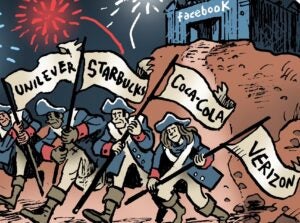
The Amazon advertising boycott last week wasn’t really about Amazon’s ad platform as much as it was a dispute over evolving seller economics, which raises a fundamental question: Can you even build a brand on Amazon anymore?


For the first time, Unity’s gaming audiences will be available for ad targeting outside the Unity platform, with Index Exchange using Unity’s data to curate web and CTV inventory.

Agentic commerce company Envive builds on-site agents for brands like footwear company Clove, painting a clearer picture of what their customers are looking for.

Paramount might have outlasted and outbid Netflix in the competition to acquire Warner Bros. Discovery, but Netflix is not overly fussed about the loss.