Duplicative Data Doesn’t Pay; Investors Soften On Software
The Trade Desk overhauls ID partner payments; investors downplay their software holdings; and Kalshi’s “we don’t do death markets” campaign may be backfiring.
The Trade Desk overhauls ID partner payments; investors downplay their software holdings; and Kalshi’s “we don’t do death markets” campaign may be backfiring.

The NewFronts, digital video’s week of splashy sales pitches, is in full swing. Our reporters share what they learned on the ground. Plus: What can ad tech learn from Data, a new off-Broadway play?
The Guardian US grew its programmatic revenue by 44% year over year in February. The lift came from higher effective CPMs across both the open exchange and private marketplace deals.
Samsung teases a shoppable TV integration with Amazon; hackers target AI search users for marketing account takeovers; and new research shows young news audiences are “social-first.”

Brave’s chief of ads Jean-Paul Schmetz on competition in the search and browser markets, the fallout from the Google Search antitrust ruling and whether AI search will help smaller upstarts compete with Big Tech.

Judge tosses Helena World Chronicle case against Google; Apple will introduce ads to Maps; EU broadcasters push DMA “gatekeeper” label for Big Tech in CTV.
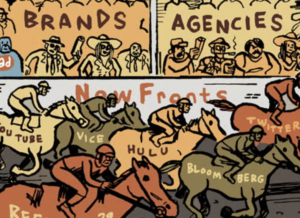
The FBI wants your data; Agency-owned AI platforms may not be long for this world; and how much data is too much, anyway?

If a buyer wants real control, “domain rationalization” alone will never be enough. Buyers need “bid rationalization,” shaping the supply at the bid-request level so they see fewer, better, more outcome-relevant opportunities.

Marketers debate whether to build or buy their tools; Meta is shutting down the VR version of Horizon Worlds; and influencer marketing strives for authenticity.

Ad agency holding companies are among the most adaptable businesses out there. In recent years holdcos like Publicis, WPP and Omnicom-IPG have stretched our notions of what an agency business even is exactly.

Audience preferences are constantly evolving. So why not ads that evolve in real time, too? No, really.
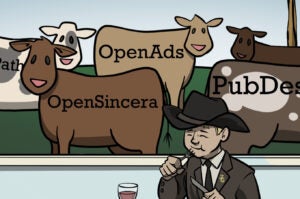
Publicis recommends some clients ditch The Trade Desk; ChatGPT reconsiders its “unlimited” enterprise subscription; and how NYC’s Washington Square Park became an influencer hub.

Complexity hasn’t made the CTV supply chain difficult to trust. This is a transparency problem and, more specifically, an ads.txt problem.

Viant reported its Q4 and full-year 2025 earnings on Wednesday evening and investors appeared pleased.

The deal is an example of OOH platforms building sales infrastructure that interoperates with agency workflows. It’s also an example of DSPs going direct to publishers.
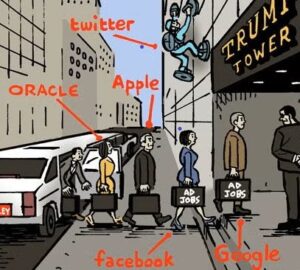
Jeff Green doubles down on OpenPath’s value; Amazon wants Perplexity to disable agentic shopping; and the creator economy takes on political fundraising.
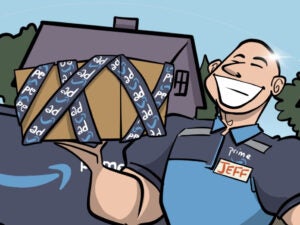
Amazon’s Fire TV redesign is extra friendly for ads; Anthropic benefits from its newfound spine; and the children yearn for the malls.
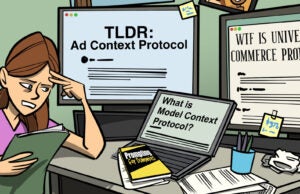
Your TL;DR on MCP, the open standard that lets AI models connect to tools, remember context and run workflows across platforms.

Mega’s software tools aim to take some of the work out of the user’s hands by automating brand’s strategy development, execution and reporting.
The NHL develops new revenue streams; malware makes its way into the programmatic ecosystem; and Target plans to open 30 new locations this year, along with revamping existing ones.

It can be hard to measure the effect of advertising on in-person sales. Men’s Wearhouse partnered with measurement agency Ovative to see what was working.

Netflix unveils a conversion API; some publishers are using AI tools to expand their footprints; and CFOs are getting more involved in marketing decisions.

The divergence between the DSPs reveals shifting buy-side priorities. Advertisers have grown wary of how The Trade Desk earns margin, where its algorithm steers inventory and how these strategies compete with buyer goals.

Ad platforms are nixing credit card payments; LLMs are getting really good at unmasking online users; and McDonald’s offers a case study in how not to do organic social media.
DS-1, a new agentic AI interface developed by audience platform Dstillery, aims to reduce manual inefficiencies within audience curation.
The Trade Desk has OpenPath, OpenAds, OpenSincera and, as of today, a new platform portal called OpenTTD.
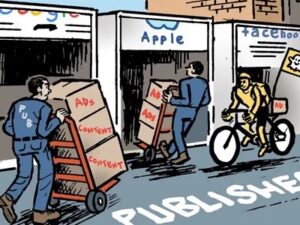
Criteo joins OpenAI’s ad pilot; Google considers making its own AI landing pages; and the Supreme Court passes its own judgement (kinda) on AI.

Onetag’s acquisition of creative ad tech platform Aryel equips its curation solution with new tools for tweaking and testing interactive ad creative.

The surveillance state targets state employee’s vehicles; Belgium targets Google’s ad tech business; and brands embrace being targeted by trolls.

The problems with FAST’s rapid growth; streaming viewers get a bot-powered alternative to subscriptions and ads; and IAS uncovers a mobile app fraud network that infected millions of devices.

PubMatic says adoption of its AgenticOS, combined with strong CTV and mobile demand, set the stage for double digit growth in the second half of this year.

Inside how Jones Road Beauty is trying to turn messy, conflicting measurement signals into a single testing roadmap for its media mix.

IAPP’s Global Summit in DC was a reminder that AI is moving fast – and judges, privacy lawyers and practitioner are racing to keep up.

An upcoming paper from CIMM doesn’t just demonstrate that differences in media quality can be measured. It also argues that tying media value to short-term outcomes has perpetuated longstanding industry challenges.


Not unlike last year, the mood during TikTok’s NewFronts presentation last week felt like cautious optimism, if not outright relief.

Can a good sales presentation offset the impact of a very bad news week? That’s a question for Meta, which collected two guilty verdicts in court this week for failing to protect children and creating additive products.

Meet Clamor, a new social listening product that pulls cultural insights from online conversations in real time. Clamor helped Manscaped freshen up its marketing, including for this year’s Super Bowl.