
Beware The Platform Incrementality Trap
Incrementality measurement may be a sound methodology, but online ad platforms are not really bringing a steady river of new-to-brand customers with their incrementality-based solutions.

Incrementality measurement may be a sound methodology, but online ad platforms are not really bringing a steady river of new-to-brand customers with their incrementality-based solutions.

The Brand Safety Institute is expanding its publisher transparency initiative to include new media quality assessments, including data compliance.

On Wednesday, AD-ID announced a partnership with Comcast Technology Solutions (CTS), a division of Comcast Cable that develops buying and planning products for advertisers.

Contextual intelligence platform Precise TV is hoping to make it easier for kid-focused brands to reach their target audiences without compromising on privacy.

At VideoAmp’s “Vampfront” presentation on Tuesday, I couldn’t help but be reminded of my favorite pop culture vampire stories (in a good way).

More than 100 years after its founding, the Association of National Advertisers (ANA) finally has its own product to advertise. Sort of.

No punches pulled in another Senate hearing on Big Tech’s excesses; Nielsen’s lawsuits accusing competitors of IP infringement keep getting dismissed; and investors grow wary of Reddit’s closeness to Google.

To zero in on premium inventory, The Trade Desk is analyzing metadata signals about ad placements and pushing adoption of its alternative ID. It’s also betting the farm on CTV.

The Brand Safety Institute released a new tool that lets publishers check whether their site domains have been flagged as MFA by third-party verification vendors.

TVs are officially the most popular device for watching YouTube; Google’s lead generation comes under fire; Temu tests a “half custody” distribution model to counter import tariffs.

The Google Chrome team is getting closer to deciding on its cookie consent mechanism. And Paramount resolves its four-month standoff with Nielsen, as the mechanics behind currency change forever.

The industry’s sharpest minds claim we are entering the Outcomes Era of digital advertising. But we have been in the Outcomes Era for over a decade. It is high time to embrace the Quality Era, instead.

Paramount and Nielsen have ended their measurement standoff. Plus, a new survey says digital ads now cost more and convert less.

Ad buyers agree that Nielsen’s decision to pivot from panel-only ratings is a step in the right direction for TV ad measurement. But some also suggest it may be too late for Nielsen to recover the ground it ceded to competitors.

There are a lot more self-serve CTV buying options out there than there used to be, but that doesn’t mean managed service providers are going away.

Meta and Mozilla’s new browser-based attribution system for web ads appears to solve an interesting math problem. But if applied to real-world advertising, it will increase privacy risks for users, writes Raptive’s Don Marti.

Things aren’t going well for Hollywood. Plus, Nielsen is finally ripping off the Band-Aid.

Nielsen earns MRC accreditation for its Big Data + Panel measurement solution, which includes its legacy panels and bigger data sets.

Multiple criminal rings around the world are orchestrating surgical phishing scams that target ad industry media buyers. Specifically, fraudsters are duping ad buyers who log in to Google Ads after running a Google Search.

Comscore has a new video measurement tool to help publishers and content owners monetize their IP with a better understanding of media consumption patterns – not just ad performance.

Performance marketing can become a crutch for some brands, warns Duolingo CMO Manu Orssaud, especially app-based businesses that are under pressure to show rapid growth. That’s why Duolingo makes organic marketing a top priority.

TV sales consortium Ampersand’s new measurement platform combines streaming and traditional TV data to give buyers a better idea of incremental reach and frequency.
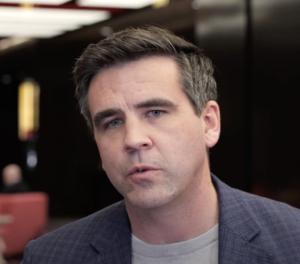
Nielsen’s Matt Devitt, head of advertisers and agencies, discusses the biggest changes in how advertisers and agencies are buying TV.

On Monday, Givsly, which calls itself a responsible ad platform, launched “values-based audience” segments built using data sourced from nonprofits.

Complexity is going to create new opportunities to reach audiences, says Nielsen Chief Marketing Officer Alison Gensheimer. She sits down with AdExchanger Executive Editor Sarah Sluis to discuss how Nielsen can observe nuanced behavioral differences in streaming behavior, and how brands can use this data in order to reach their audiences more effectively.
Every week, we publish an original comic creation inspired by trends in the online advertising industry. These are the stories – and the highly specific double entendres – behind AdExchanger’s top 10 comics of 2024.
2024 was a year of hectic change for ad measurement. These are a few of the new ad attribution trends and techniques programmatic advertiser should know going into 2025.
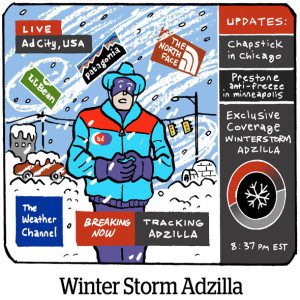
Happy holidays! Bundle up, get cozy and please enjoy this classic winter-themed comic, which first ran in February 2014.

In response to shifting ad industry trends, A360 Media abandoned its made-for-advertising model four years ago and streamlined its site design to court programmatic demand.

Two perspectives have emerged on curation: The value argument highlights refined audience targeting, while the ad network argument emphasizes enabling smaller players to compete with scaled giants.

The Prebid Summit in New York City on Tuesday exceeded the event’s reputation for liveliness.

The ad industry has become a community of people who say things like “This is going to sound relatable” and follow it up with a sentence that may as well be Martian to 99% of America.

LG home screen inventory is now available through agentic buying, opening up a premium TV placement to faster, more automated campaign setup.


Reorienting the ad auction so that ad servers bid into Prebid lets publishers access demand from Google AdX without also having to use Google’s ad server.

Starling recently launched as a connected TV SSP and wants to capitalize on the opportunity to address a major pain point facing CTV marketers: the lack of show-level data.
Apple has a new block list for data brokers and ad tech vendors that do cross-site user tracking – which could expand to include a much broader slate of ad tech and martech vendors across the entire ecosystem. Plus: a few thoughts on Advertising Week New York.