
The ‘C’ In CTV Is For Cart; Held To Account
Samsung teases a shoppable TV integration with Amazon; hackers target AI search users for marketing account takeovers; and new research shows young news audiences are “social-first.”

Samsung teases a shoppable TV integration with Amazon; hackers target AI search users for marketing account takeovers; and new research shows young news audiences are “social-first.”

Publicis recommends some clients ditch The Trade Desk; ChatGPT reconsiders its “unlimited” enterprise subscription; and how NYC’s Washington Square Park became an influencer hub.
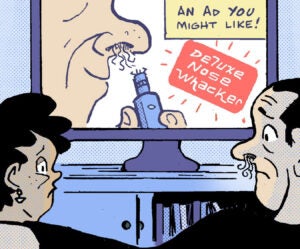
There are more pharma ads on CTV, but are they even targeted?; Gen Z longs for the ad-free TikTok of yore; and Meta buys a social network for AI agents.

Consumers today switch between screens and viewing interfaces to seamlessly view content. Now it’s time for advertisers to catch up to this convergence, so they can make ad experiences better – not worse, said Cadent CEO Doug Rozen.

“We are focused on being where the world watches video,” said Tara Walpert Levy, YouTube’s VP, Americas at the Convergent TV conference in NYC on Thursday. “And to us that now is TV.”

As audiences spend more time with creator-led video on YouTube and TikTok, the traditional publisher video stack looks out of touch. Donut Media, a hybrid creator collective and media company, is reworking that ad model.

A 2004 statute prevents owning enough TV stations to reach 39% of households. But without the scale afforded to other digital content companies, local TV is at a competitive disadvantage.

Why influencer marketing is all the rage; Target forays into ChatGPT ads; and Paramount Skydance’s difficult week.
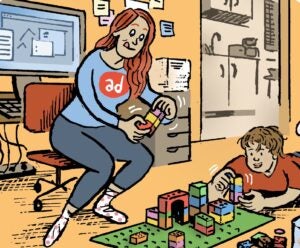
The kids companies Hasbro and Animaj have formed a co-venture for selling their ads on YouTube and streaming media.
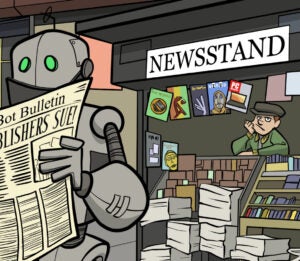
Amazon teases an AI licensing marketplace for publishers; not every country is fine with targeted gambling ads; and YouTube’s ad revenue share isn’t enough for its entrepreneurial creators.
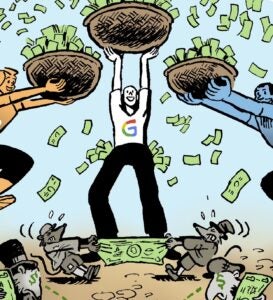
Describing Google’s revenue growth has become a problem, it so vastly outpaces the human capacity to understand large numbers and percentage growth rates. The company earned more than $113 billion in Q4 2025, and more than $400 billion in the past year.
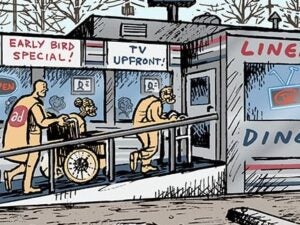
ICE is going ad tech; Streaming television is more original than ever; and YouTube wants to keep all its data to itself.

All of Cadent’s SSP’s CTV supply paths are now direct; Netflix is thriving on repurposed YouTube content; and the Washington Post continues to struggle.

Big TV’s shift to programmatic brings in the performance brands; Meta rolls out premium subscriptions for Instagram, Facebook and WhatsApp; and Yahoo enters the crowded AI search market.
YouTube is finally delivering on the promise of shoppable CTV ads. Starting Thursday, they’ll roll out to all of Google’s Performance Max and Demand Gen campaigns, YouTube confirmed to AdExchanger.

Open AI finally gets ads; YouTube gets its own BBC shows; and marketers get to grading their own homework.

Attribution measurement is still a mess; video podcasting struggles with effective advertising; and NIL deals are taking off for student athletes.

Inside Coca-Cola’s pivot from TV advertising to influencer marketing; Netflix inks another exclusive video podcast deal with iHeartMedia; and Madison & Wall predicts slow US ad spend growth in 2026.

On Tuesday, TV advertising company Cadent announced the acquisition of VuePlanner, which specializes in contextual advertising and media planning for YouTube.

For years, MFA was a mostly web-based problem. Now, generative AI has supercharged the made-for-advertising model, and it’s infecting social media feeds and vertical video platforms.

On Google and Meta platforms, AI search becomes the default; TTD might cut its costs; and apparently, toddlers like AI slop on YouTube.

CTV spending is flattening, performance is plateauing and buyers are hesitant to push budgets further. The reason is not complicated. When buyers cannot see what they are buying, they cannot commit their spend with conviction.

There’s no magic bullet for AI search optimization; how kids’ media monetizes outside of YouTube; and hey, whatever happened to the TikTok ban?

With its latest funding, Agentio plans to expand its team and to establish creator marketing as part of every advertiser’s media plan.
Disney’s Q4 earnings double down on the success of sports streaming content, but the YouTube TV blackout continues.

The Daily Mail deals with AI overviews; pause ads are the new hotness; and YouTube fights back against ad blockers.

While Reddit had plenty to crow about on the advertising front, it was less sanguine about the rise of generative AI search, which CEO Steve Huffman said is “not a traffic driver today.”
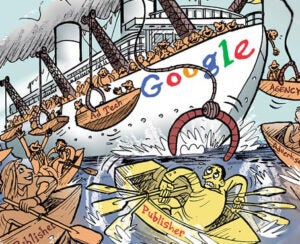
Alphabet reported on Wednesday that its total Q3 revenue was $102.3 billion, up 16% year over year, while net profit increased by a third to $35 billion.

Prebid changes its mind on universal TIDs; streaming media takes advantage of live events; and short-form video clips are (still) all the rage.

Greg Glenday weighs in on why Acast is resisting the allure of video, the trade-offs of accepting political ad bucks and positioning influencer marketing as audio’s entry point into the omnichannel mix.