
Amazon Ads Shares Interactive Video Best Practices At CES 2026
Maggie Zhang from Amazon Ads talks interactive video strategy, including opportunities on Amazon Prime Video and which genres drive the most engagement.
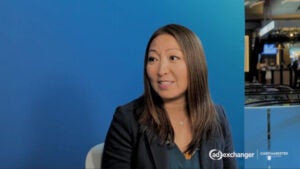
Maggie Zhang from Amazon Ads talks interactive video strategy, including opportunities on Amazon Prime Video and which genres drive the most engagement.

This year, programmatic companies faced tough decisions about privacy, awkward acquisitions and the cookie die-off that never quite happened.

The generative AI trend generated endless hot takes this year, but the ad industry also had plenty to say about growing competition between DSPs and SSPs. Here are AdExchanger’s top 10 most popular guest columns of 2025 and why they resonated.

Programmatic media buying is expected to account for the majority of growth in the CTV market in 2026. This year alone, over 90% of CTV ad dollars were transacted through programmatic pipes. That data isn’t surprising. Programmatic has solved a real problem by helping brands reach TV viewers with targeted precision at much lower costs.

First, the VAB clashes with Nielsen over Big Data, and Pinterest teams up with tvScientific. Plus, Google Ad Manager rolls out major EU changes, from ditching Unified Pricing Rules to deeper data sharing with publishers.

Viant struck a deal with IHeartMedia and its Triton Digital advertising platform that will make IHeart’s broadcast radio inventory available through Viant’s DSP.

The film and TV studio Lionsgate has chosen Comcast’s FreeWheel as its exclusive ad server to help manage and sell the growing volume of ad inventory Lionsgate creates with new FAST channels.

CTV isn’t an emerging channel anymore. It’s a fully established, essential part of the media mix. Advertisers now understand its reach, flexibility and ability to drive measurable outcomes.

Netflix could acquire Warner Bros., unless Paramount swoops in or regulators intervene. How rearranging the streaming leaders could affect the CTV ad business.
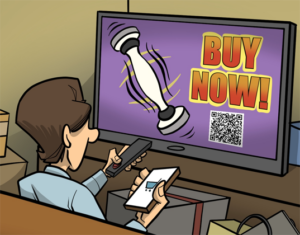
Looks like Pinterest has its eyes – or its pins, rather – fixed on connected TV.
On Tuesday, TV advertising company Cadent announced the acquisition of VuePlanner, which specializes in contextual advertising and media planning for YouTube.

Is it too soon to start thinking about New Year’s resolutions? Because I’m setting a goal for myself to start talking to more media planners, agency executives and buy-side experts.

CTV spending is flattening, performance is plateauing and buyers are hesitant to push budgets further. The reason is not complicated. When buyers cannot see what they are buying, they cannot commit their spend with conviction.

Consumers don’t experience media in silos. They might stream a live game on their TV, scroll social feeds during halftime and research products on their mobile device later that night.

Confusion in CTV isn’t a natural byproduct of a maturing market; it’s an outcome of how distributors protect their pricing power.

Social CPMs have risen. The ability to find incremental audiences on social platforms has declined. Add the growing brand-safety concerns, and the equation looks even worse.

Netflix announces a new way to measure viewership; streaming and smart TV companies face data collection investigations; and Polymarket ads incentivized losing bets.
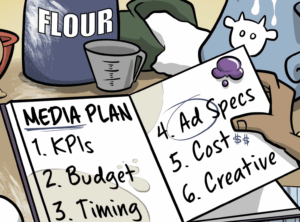
Deli meat company Land O’Frost has been leaning into a new MMM approach to figure out which opportunities it’s been overlooking – or even inhibiting.

CTV has become a powerful full-funnel channel, attracting advertisers of all sizes – and the momentum isn’t slowing.
CTV ad spend is projected to rise another 16% this year to $26.6 billion, according to the IAB. But with rapid growth comes complexity. Advertisers now face a maze of platforms, apps and channels, each with different buying models, audience access and inconsistent measurement. For SMBs without large teams or budgets, this fragmentation is especially challenging to navigate.
Cloudflare restricts how bots can scrape content; TiVo’s customer base stays loyal, even as TiVo leaves the DVR business; and Nestlé announces a stark reduction in headcount.

The layoffs reflect a strategic decision on People Inc.’s part to free up money to invest in growth areas, according to CEO Neil Vogel’s memo to employees.

CleanTap claims that 100% of the invalid traffic it spoofed was accepted into live auctions run by programmatic platforms and was successfully bid on by advertisers.

HUMAN has recently started complementing its bid request analysis by analyzing the time between when a bot clicks an ad and when the landing page loads. Now it’s offering the solution to individual advertisers.
YouTube backpedals on banning COVID and political misinfo; Tylenol pushes back against Trump’s claims that it causes autism; and Disney doubles down on linear TV and raises Disney+ prices after its Kimmel boycott threat.

The old approach to media and measurement is no longer sustainable. AI is now embedded across every step of the media value chain, and AI is only as good as the data it’s fed.

CTV, like digital display before it, is facing fraud and mislabeled information. The prevailing advice for advertisers is to go directly to the networks and streaming platforms. However, buying direct comes with a fraud risk itself.

Concrete findings on how effective QR codes are at driving ad interactions are now available, and some industry best practices are emerging.
GAM’s dinner with ad agencies sparked speculation that Google is preparing to spin off its bundled SSP and ad server as a remedy to its ad tech monopoly. But Google says it’s just part of the trend of SSPs going direct to buyers.

Brands don’t feel secure enough to lock in huge CTV deals outside of live sports. So what happens to all of that nonsports content spread out across streaming channels?
Pause ads are going programmatic, as connected TV ad buying becomes more automated. Plus: how publishers are proposing to be compensated by AI companies – and the odds that they’ll receive what they are asking for.