
YouTube Wins The Everyscreen; For Chatbot To Chatbad
YouTube is winning the CTV race by not just focusing on TV; ads threaten the gen AI user experience; and sports still brings brands incremental reach.
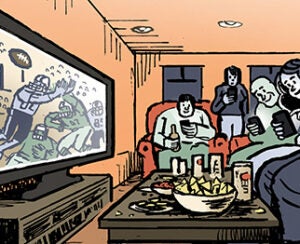
YouTube is winning the CTV race by not just focusing on TV; ads threaten the gen AI user experience; and sports still brings brands incremental reach.

Viant is on an M&A tear, with two acquisitions – IRIS.TV followed by lockr – in less than six months. Although the rationale behind these deals might be obvious to ad tech insiders, Wall Street investors speak a different language, one that Viant CEO Tim Vanderhook has become fluent in as the leader of a publicly traded company.

Even with the amazing storylines, this NBA season brought a steep decline in local TV viewership. While it’s tempting to frame this as waning fan interest, these drops are symptoms of a media ecosystem in transition.

OMD’s Emily Proctor outlined the criteria the ad agency uses to evaluate alt IDs. She also shared which five IDs OMD uses most often and why.

PubMatic’s new AI curation features are helping it forge closer relationships with ad agencies like GroupM that are ramping up their use of AI.
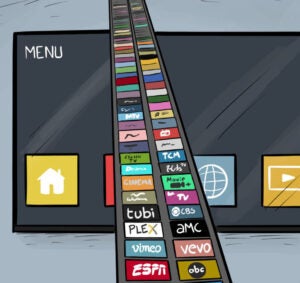
Amazon Prime Video rolls out new audience and contextual targeting; streamers wring more revenue from subscription-weary consumers; and AI is an app, so it must obey Google and Apple.

The era of fragmented, adversarial ad tech is winding down. A new paradigm is emerging defined by AI-first, end-to-end platforms and collaboration among buyers and sellers.

Political advertisers, by necessity, have built precise, privacy-conscious targeting strategies that work without relying exclusively on third-party data like cookies.

The CFPB backtracks on plans to bar data brokers from selling financial data; Jamie Lee Curtis takes on Mark Zuckerberg over fake AI ads; and Gas Station TV drives traffic to Applebee’s.

Streaming is rapidly becoming a top performance channel for brands like NOBULL that are looking to drive outcomes up and down the funnel.

If you felt a strange gust around 5 p.m. ET on Thursday, it was probably just the cumulative sighs of relief across Wall Street as The Trade Desk shook off its Q4 blues with a better-than-expected first quarter earnings report.

Does a connected TV DSP need lower take rates? Inside the battle among DSP’s to take on The Trade Desk’s dominant market position. Plus: an on-the-ground report from the TV Newfronts.

When it comes to third-party cookies on Chrome, Google’s plan to reverse course is neither here nor there, says Magnite CEO Michael Barrett. “Forget Privacy Sandbox,” Barrett said. “That thing was dead upon arrival.”
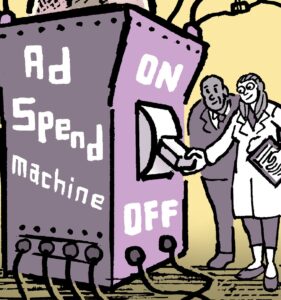
At NewFronts, marketers weigh new budget priorities under the Trump tariffs; The New York Times isn’t letting tariffs temper its 2025 outlook; and video podcasting is taking over CTV.
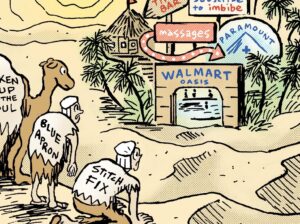
Why did Walmart buy Vizio? What happens when a CTV campaign turns on the S&P500+? Is Google losing its search engine edge?

Roku acquired subscription streaming service Frndly TV for $185M and reported Q1 revenue over $1 billion. But its Q2 outlook missed expectations due to tariffs dinging manufacturing revenue.
Emarketer is predicting tariffs could lead to a $2.78 billion to $4 billion decline in linear TV upfront spending, but CTV spending will be flat to up. Emarketer analyst Ross Benes unpacks these findings. Plus: At the Possible conference, optimism reins.

Agentic AI aims to take the work out of campaign targeting; marketers are increasingly using retail media data in non-retail channels; and Puma drives sales by re-embracing its branding.
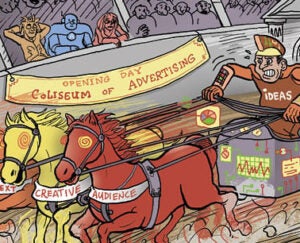
Shutterfly’s recent CTV campaign tested a custom algorithm that relies on search data to find geographic regions with the most prospects. It performed better than targeting deterministic IDs.

Outcomes measurement company EDO is no stranger to large data sets. So I sat down with Kevin in March to learn how he thinks AI will continue to transform programmatic CTV advertising.

Many well-intentioned advertising standards efforts gather digital dust thanks to industry politics and competing interests. Here’s how the industry can stop sabotaging its own progress.

CTV advertising has made great strides, but it still lags behind social platforms in one critical area: optimizing campaigns based on outcome data. Here’s how standardized conversion API integrations for CTV can help.

Comcast is trying to win over digital-native and social-savvy marketers for with its recently launched Universal Ads, a self-serve ad buying platform that makes it easier for SMBs to buy streaming TV inventory.
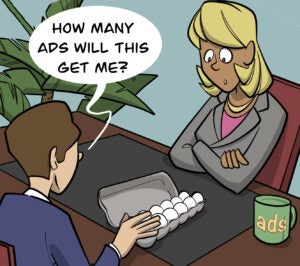
Daily Mail’s ad-light subscription soars; YouTube Shorts takes another cue from TikTok; and MAGNA predicts an ad spend slump due to tariff-induced uncertainty.
Warner Bros. Discovery officially launched OpenPath last week, with the goal of driving demand for its news sites’ display inventory. But for now, CTV is not part of the integration.

Many in the industry see Google’s fingerprinting reversal as an irresponsible move due to privacy concerns, particularly in regions with strict data regulations.
The Trade Desk’s weak Q4 emboldened the company’s critics; DOGE’s cuts to federal agencies are hurting ad agencies; and President Trump fires the two remaining Democratic FTC commissioners.
NBC, Fubo, Disney-owned ESPN and ad agency Mindshare weigh in on the creative flexibility offered on CTV and whether sports streamers really reach incremental audiences.

To zero in on premium inventory, The Trade Desk is analyzing metadata signals about ad placements and pushing adoption of its alternative ID. It’s also betting the farm on CTV.
In her last week at AdExchanger, Senior Editor Alyssa Boyle reflects on three years of change, and stasis, in the CTV space. Then, how Ozempic is changing the marketing world.