DOJ Outs Ad Tech Open-Source Supporters; Jeff Green Dings The TTD TV Rumors
Is there a secret society of socialists within programmatic? Probably not. Plus, rumor has it that The Trade Desk is building its own smart TV OS.
Day Two of the Google antitrust trial in Alexandria, Virginia on Tuesday was just as intensely focused on the intricacies of ad tech as on Day One.
Advanced audience targeting is perhaps the most significant change in TV ad buying structures, says Alison Levin, NBCUniversal’s president of advertising and partnerships, on this week’s episode of AdExchanger Talks.
What do Hercule Poirot, Ben Bernanke, Star Wars and C.S. Lewis have in common? If you’re an ad tech nerd, you’ll know the answer immediately.
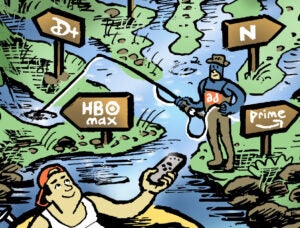
The bottom is falling out of the mass multichannel TV bundle. Plus, Amazon crushed its first-ever upfront this year.
OpenX would like people to stop thinking about supply-side platforms as “dumb pipes,” thank you very much.
In today’s newsletter: Google Demand Gen is the industry’s latest over-attribution controversy; data from third-party brokers might not be worth it; and The Trade Desk launches a CTV operating system.
It’s a misconception that Redditors categorically dislike advertising, says newly hired VP of Ad Product Management Jyoti Vaidee. In fact, 60% of Reddit users want brands to participate in communities, she says, so long as their interactions are relevant and respectful.
In today’s newsletter: Amazon stands out among Upfronts CTV rookies; Google reveals how much revenue its ad tech divisions make; and women hold more marketing leadership positions than men, but churn is worse for women.
Roku could start running ads every time you pause a blu-ray. Plus, the kickbacks required to play in the retail media market might eventually shut out all but the biggest brands.
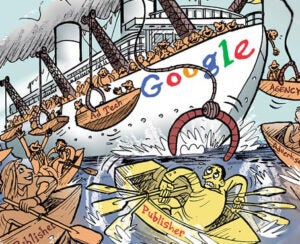
Just two weeks before Google’s antitrust trial, we discuss revelations from a cache of documents released in advance of the trial – plus, a primer on what’s ahead as header bidding goes to the stand.
Starting last week and into this week, hundreds of court-filed documents have been unsealed in the lead-up to the Google ad tech antitrust trial – and it’s a bonanza.
With political ads flooding every channel, how can brands remain relevant and connect with their audience without adding to the noise?
In today’s newsletter: Google paid $445 million in rebates in 2018; publishers across the ideological spectrum blame brand safety for hurting the media biz; and Mark Zuckerberg apologizes to Congressional Republicans for Meta’s content moderation.
M&A is still hot in ad tech this summer. Plus, Netflix’s upfront results may sound promising, but the streamer still needs to grasp the finer points of the advertising game.
The publication still makes most of its on-site digital revenue from programmatic. But it’s doubling down on direct-sold custom content, especially when it comes to video and social media.
Remember back when Netflix was anti-advertising? Plus, CTV is still struggling with low programmatic fill rates.
Mirriad is heading the Diverse Media Alliance to help create more ad opportunities and incremental revenue for diverse publishers. The initiative currently includes Canela Media, LatiNation, BOMESI, NTERTAIN’s NEON16 and The Shade Room as launch partners.
In today’s newsletter: Digital twins are marketers’ cool new AI tool; Netflix pulls a Prime Video and defaults lapsed subscribers to the ad-supported tier; and California compromises with Big Tech on two journalism bills.
Publishers are in the business of selling their readers’ attention to advertisers. But in response to consumer preferences and regulatory pressure, publishers should reposition themselves as champions of data dignity.
Instead of erasing the idea of brand safety, we should be developing smarter, more nuanced solutions that protect both news publishers and advertisers.
Since introducing ads two years ago, Netflix’s ad team has clashed with streaming management and studio execs. Plus, “brat” summer is over; “demure” autumn might be next.
Enjoy this weekly comic strip from AdExchanger.com that highlights the digital advertising ecosystem …
In today’s newsletter: Walmart’s hottest growth drivers are ads and subscriptions; why The Trade Desk’s UID 2.0 could be regulators’ next target; and how the growth of CTV content fortresses is preventing breakout streaming hits.
Inside Publicis’ play to be both an agency and an ad tech company. Plus: the dissolution of GARM and what it means for the future of brand safety.
In today’s newsletter: How membership bundles are creating new forms of consumer-facing partnerships; typically unflappable platforms leap to action when billionaires are harmed by bad ads; and X’s GARM lawsuit helped politicize brand safety.
The trajectory of digital advertising remains unchanged. There are plenty of signs that the investments advertisers have made in cookie alternatives are already paying off.
Hope you weren’t waiting to shop for Super Bowl ads – they’re almost sold out. Plus, Apple might be the ad tech dark horse.
The decision by WFA leadership to succumb to Elon Musk’s pressure is disappointing and dangerous – but it presents an opportunity to rethink our industry’s broken approach to brand safety, writes Arielle Garcia.
The SSP revised its full year outlook down by $10 million, due to a DSP partner adopting first-price auctions and weakness in key ad verticals. But it highlighted mobile in-app as a new key revenue stream.