
Thanks To The DOJ, We Now Know What Google Really Thought About Header Bidding
Starting last week and into this week, hundreds of court-filed documents have been unsealed in the lead-up to the Google ad tech antitrust trial – and it’s a bonanza.

Starting last week and into this week, hundreds of court-filed documents have been unsealed in the lead-up to the Google ad tech antitrust trial – and it’s a bonanza.

With political ads flooding every channel, how can brands remain relevant and connect with their audience without adding to the noise?
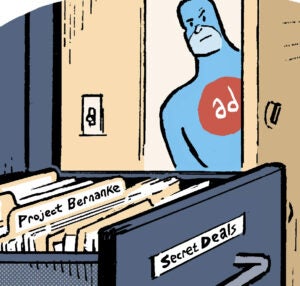
In today’s newsletter: Google paid $445 million in rebates in 2018; publishers across the ideological spectrum blame brand safety for hurting the media biz; and Mark Zuckerberg apologizes to Congressional Republicans for Meta’s content moderation.

M&A is still hot in ad tech this summer. Plus, Netflix’s upfront results may sound promising, but the streamer still needs to grasp the finer points of the advertising game.

The publication still makes most of its on-site digital revenue from programmatic. But it’s doubling down on direct-sold custom content, especially when it comes to video and social media.
Remember back when Netflix was anti-advertising? Plus, CTV is still struggling with low programmatic fill rates.

Mirriad is heading the Diverse Media Alliance to help create more ad opportunities and incremental revenue for diverse publishers. The initiative currently includes Canela Media, LatiNation, BOMESI, NTERTAIN’s NEON16 and The Shade Room as launch partners.

In today’s newsletter: Digital twins are marketers’ cool new AI tool; Netflix pulls a Prime Video and defaults lapsed subscribers to the ad-supported tier; and California compromises with Big Tech on two journalism bills.

Publishers are in the business of selling their readers’ attention to advertisers. But in response to consumer preferences and regulatory pressure, publishers should reposition themselves as champions of data dignity.

Instead of erasing the idea of brand safety, we should be developing smarter, more nuanced solutions that protect both news publishers and advertisers.

Since introducing ads two years ago, Netflix’s ad team has clashed with streaming management and studio execs. Plus, “brat” summer is over; “demure” autumn might be next.

Enjoy this weekly comic strip from AdExchanger.com that highlights the digital advertising ecosystem …

In today’s newsletter: Walmart’s hottest growth drivers are ads and subscriptions; why The Trade Desk’s UID 2.0 could be regulators’ next target; and how the growth of CTV content fortresses is preventing breakout streaming hits.

Inside Publicis’ play to be both an agency and an ad tech company. Plus: the dissolution of GARM and what it means for the future of brand safety.

In today’s newsletter: How membership bundles are creating new forms of consumer-facing partnerships; typically unflappable platforms leap to action when billionaires are harmed by bad ads; and X’s GARM lawsuit helped politicize brand safety.

The trajectory of digital advertising remains unchanged. There are plenty of signs that the investments advertisers have made in cookie alternatives are already paying off.

Hope you weren’t waiting to shop for Super Bowl ads – they’re almost sold out. Plus, Apple might be the ad tech dark horse.

The decision by WFA leadership to succumb to Elon Musk’s pressure is disappointing and dangerous – but it presents an opportunity to rethink our industry’s broken approach to brand safety, writes Arielle Garcia.

The SSP revised its full year outlook down by $10 million, due to a DSP partner adopting first-price auctions and weakness in key ad verticals. But it highlighted mobile in-app as a new key revenue stream.

Although the full revenue impact of Magnite’s exclusive SSP partnership with Netflix hasn’t hit yet, simply announcing the deal “created significant momentum for our business,” Magnite President and CEO Michael Barrett told investors.

Ad revenue was helped along by 9% growth in unique visitors to the top sites in DDM’s portfolio. Programmatic ad rates were up roughly 36% in Q2, spurred by adoption of DDM’s D/Chipher contextual targeting solution.

In today’s newsletter: Netflix drops its ad prices to slightly less outrageous levels; X sues GARM, alleging it led an ad boycott for ideological reasons, not brand safety concerns; and how TV manufacturers have laid the groundwork to take ad dollars from streamers and cable.

With an approved list of sites and contextually segmented content, publishers don’t risk getting caught up in automated keyword blocklists, which consistently demonetize the news.

In today’s newsletter: US rules Google has a monopoly in search, but not search ads; Nvidia’s unreleased AI has been scraping online video from YouTube, Netflix and others; and streaming app Max debuts a new personalized home page.

Recent moves by major ad tech players prove the industry doesn’t actually need cookies. But Chrome’s cookie pivot doesn’t clarify what will happen to the 1% of its audience that’s already cookieless or what will become of plans to deprecate the Android Ad ID on mobile.

In today’s newsletter: The DOJ sues TikTok alleging COPPA violations; Disney wraps a competitive upfronts season as it faces stiller competition for streaming ad budgets; and more than $107 million was spent on ads for AI products in the first half of this year.

Ranker saw a 5% increase in demand from a new fully automated Prebid wrapper optimization feature in Magnite’s Demand Manager.

Some brands are turning away from larger media agencies in favor of smaller, independently run shops. Plus, licensing sports content is Reddit’s next revenue diversification play.

After more than two years leading ad sales at Group Black, Kerel Cooper has left to take on the CMO role at contextual intelligence platform GumGum.

Open social platforms need established content policy that is underpinned by transparency, advanced technology and feedback loops for constant improvement, writes Zefr’s Cameron Cramer.
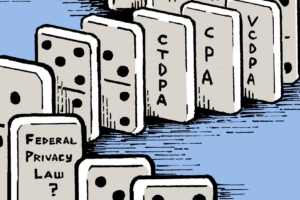
Congress is taking another swing at a federal privacy framework. Wonder what the odds are on Kalshi.

Good news for advertisers, many of whom have found it difficult to meet minimum spend budgets on ChatGPT: Logged-out users can now see ads.
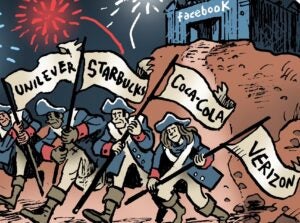
The Amazon advertising boycott last week wasn’t really about Amazon’s ad platform as much as it was a dispute over evolving seller economics, which raises a fundamental question: Can you even build a brand on Amazon anymore?


For the first time, Unity’s gaming audiences will be available for ad targeting outside the Unity platform, with Index Exchange using Unity’s data to curate web and CTV inventory.

Agentic commerce company Envive builds on-site agents for brands like footwear company Clove, painting a clearer picture of what their customers are looking for.

Paramount might have outlasted and outbid Netflix in the competition to acquire Warner Bros. Discovery, but Netflix is not overly fussed about the loss.