
In October, the Media Rating Council revoked Meta’s brand safety accreditation for its Facebook and Instagram feeds just a few months after Meta had earned it.
Why? Because Meta decided to stop participating in MRC brand safety audits.
The move raised a lot of eyebrows.
On the surface, it looked very much like one of the biggest ad platforms in the world was dodging independent oversight at a time when the spread of misinformation and the rise of generative AI content are making brand safety more critical – and complicated – than ever.

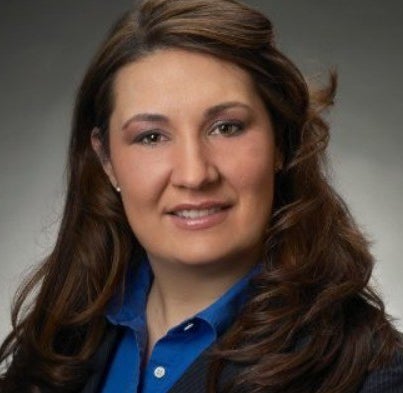
But Brittany Scott, who spent two years at Meta with a specific focus on product marketing for brand safety, says on this week’s episode of AdExchanger Talks that she views the decision less as an evasion of scrutiny and more as a signal that the onus for oversight is shifting toward advertisers and their independent partners.
To be fair, Scott would say that. In 2023, she left Meta for a job at third-party verification vendor Zefr as VP of brand partnerships. She was promoted to SVP of global partnerships in December.
Zefr specializes in brand safety verification for advertisers within social walled gardens, including Facebook, Instagram, YouTube and TikTok.
Advertisers need standards, Scott says, if not a referee. At the moment, that’s the MRC. Still, earning and maintaining MRC accreditation is a very time-consuming and pricey process, says Scott, which she knows firsthand.
When she was at Meta, Scott worked on the team handling MRC accreditation for Instagram and Facebook instream video placements, which is still active even though Meta no longer has MRC brand safety accreditation for its feeds.
“We have to figure out a way for these audits to be faster, to be more nimble, to not be as expensive [and] to be more scalable,” Scott says, “because they’re all voluntary, right? If you’re doing … shady stuff, you can just choose not to pursue MRC accreditation.”
And that’s an important distinction, Scott notes, because when a platform steps back from the MRC process, it doesn’t necessarily mean anything sinister happened.
“I do want to say, Meta didn’t lose accreditation because they did something nefarious,” she says. “Meta lost accreditation because they are not going to continue to pursue the accreditation.”
Also in this episode: The limitations of keyword-blocking (which is still happening more than you might think!); the need for a balance between AI accuracy and human oversight in effective content moderation; and why it’s high time, as Scott puts it, to finally change “the conversation from just this pure-play brand safety conversation into more of a quality media discussion.”