


Snapchat is only for teenagers and Gen Z.
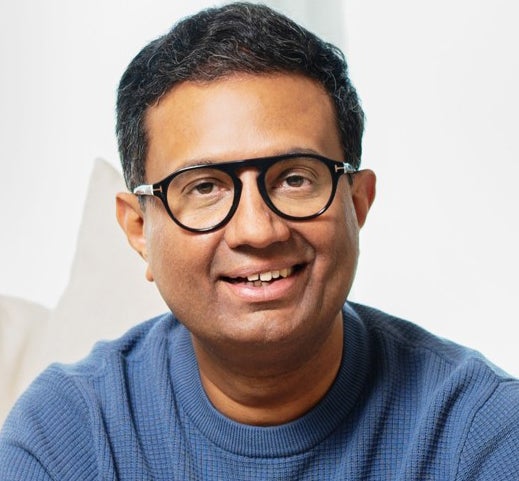
That’s a common misconception that Ajit Mohan, Snap’s chief business officer, encounters often among advertisers.
Although Snapchat tends to skew younger – it’s got strong usage among the 13-to-15-year-old set – there are also regions where half of its users are above the age of 25 and 30% are above the age of 35, Mohan says on this week’s episode of AdExchanger Talks.
Another misperception is that young people don’t have disposable income or can’t afford to buy things.

But teenagers wield far more buying power – as well as sway over household spending – than many advertisers appreciate, Mohan says.
Not to mention the fact that a 13-year-old won’t always be 13, which is why it’s valuable for brands to build loyalty early with users who will carry their preferences with them as they grow older.
As Mohan puts it, “They have grown up on Snap.”
And just as Snapchat’s users mature and evolve, so, too, must its ad platform.
Mohan readily acknowledges that Snap hasn’t always made its ad buying tools as straightforward to use as they could be.
“Sometimes, we have tended to be different in places where we don’t need to be different,” he says. “[Advertisers] don’t want to learn new tricks, right? They want to feel familiar.”
Not that Snap isn’t still willing to shake things up when it makes sense. And many of its innovations – ephemeral messaging, vertical video and Stories – have been emulated (ahem, copied) by multiple other social platforms.
“But sometimes that DNA of innovation can get in the way when we try and make everything different,” Mohan says. “We don’t need to be different when it comes to the Ads Manager.”
Also in this episode: Attracting small and medium-size businesses as advertisers, the rationale behind Snap’s new partnership with Perplexity and using generative AI to enhance creative production.








