
The ‘C’ In CTV Is For Cart; Held To Account
Samsung teases a shoppable TV integration with Amazon; hackers target AI search users for marketing account takeovers; and new research shows young news audiences are “social-first.”

Samsung teases a shoppable TV integration with Amazon; hackers target AI search users for marketing account takeovers; and new research shows young news audiences are “social-first.”

Ad platforms are nixing credit card payments; LLMs are getting really good at unmasking online users; and McDonald’s offers a case study in how not to do organic social media.

Google faces another antitrust investigation; Americans want free, ad-supported news; and the K-shaped economy dings mass-market manufacturers.

Google on Wednesday announced the full availability of its new agentic AI tools, called Ads Advisor and Analytics Advisor.

GAM’s dinner with ad agencies sparked speculation that Google is preparing to spin off its bundled SSP and ad server as a remedy to its ad tech monopoly. But Google says it’s just part of the trend of SSPs going direct to buyers.

Google’s former SSP practices are the legal gift that keeps giving; Perplexity has been disregarding robots.txt files; and ads prop up a large chunk of the US economy.
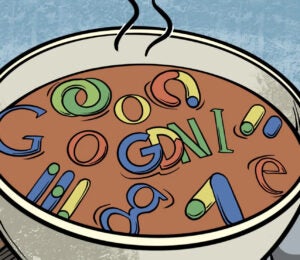
A recent Google DV360 Help Center update had some advertisers panicking that invalid impressions served through Google’s ad platform would soon double. But now Google says that’s not really the case.

AI app marketplace Dappier ensures that chatbot responses using Benzinga’s data link back to the original source, and it also shares revenue from ads placed in these responses.

While some Privacy Sandbox testers lamented their seemingly wasted effort, they remain committed to post-cookie targeting and measurement – even if Google eventually abandons the Sandbox entirely.

Many in the industry see Google’s fingerprinting reversal as an irresponsible move due to privacy concerns, particularly in regions with strict data regulations.

TVs are officially the most popular device for watching YouTube; Google’s lead generation comes under fire; Temu tests a “half custody” distribution model to counter import tariffs.

Google’s AI search drops click-through rates for organic search results to 0.4%; Trump’s China tariffs put the squeeze on Temu; and how other brands could pull back ad spend due to tariffs.

Forrester released its first SSP wave since 2014 last week, and there’s a surprise. The research firm ranked Google – whose sell-side ad tech platform is facing federal antitrust charges – as a mere challenger.

Google holds court with bloggers bumped from its search algorithm; a backlash is brewing as the online recommendation engine goes into overdrive; and X pushes conservative politics to accounts with nonpartisan interests.
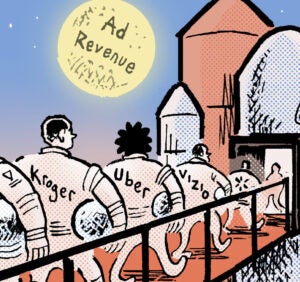
Airbnb gets one step closer to launching a retail media biz; Google shakes up its ad tech executive team; and streamers struggle to balance ad and subscriber revenues.

The catalyst for Google’s future success – regardless of any legal ruling – is its YouTube strategy. Opening YouTube’s ad inventory to outside demand will increase its value.

The online advertising industry is staring down the barrel of not one but two potential shutdowns that could radically change where brands put their ad dollars in 2025, according to Madison and Wall’s Brian Weiser and Olivia Morley.
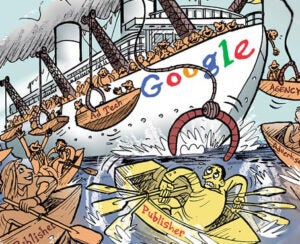
Publishers were encouraged to see the DOJ highlight Google’s stranglehold on the ad server market and its attempts to weaken header bidding.

Confidential matching – which uses a TEE built on Google Cloud infrastructure – will now be the default setting for all uses of advertiser first-party data in Customer Match.

The IAB’s annual advertising outlook has mostly rosy news. Plus, can sludge videos be wielded for good – or, at least, for effective political organizing?

In today’s newsletter: Amazon stands out among Upfronts CTV rookies; Google reveals how much revenue its ad tech divisions make; and women hold more marketing leadership positions than men, but churn is worse for women.

Over the past month alone, there was a major Google Search ranking bug, a calamitous data breach involving Google Ads and Google Merchant Center and outages across Google Ads, the Analytics API outages and Google Merchant Center.

In today’s newsletter: Netflix drops its ad prices to slightly less outrageous levels; X sues GARM, alleging it led an ad boycott for ideological reasons, not brand safety concerns; and how TV manufacturers have laid the groundwork to take ad dollars from streamers and cable.

You read that headline right: Google is seriously considering scrapping its plans to deprecate third-party cookies in Chrome. Instead, it’s proposing some kind of TBD opt-out tool for third-party cookies.

In today’s newsletter: Amazon’s argument that advertisers should trust optimization algorithms over alternative IDs; Japan passes an app store antitrust law targeting Apple and Google; and Google Ads ends support for credit card payments.

Media governance measures advertisers can put in place to navigate the complexity of brand safety and gain better control of the quality of their media spend.

In today’s newsletter: The CMA still has a bone to pick with the Chrome Privacy Sandbox; the FCC fines mobile carriers for selling customer location data to data brokers; and the Financial Times is the latest publisher to strike a licensing deal with an AI company.

In today’s newsletter: Another fin tech platform joins the ad tech fray; Temu’s runaway spending may be driving up Meta ad prices; and company emails reveal the power struggle between Google Ads and Google Search.

In today’s newsletter: Google AdSense publishers are in crisis; Apple is fighting antitrust suits in the UK and the US; and Sherwood Media has a post-SEO strategy.

Industry experts weigh in on Forbes’s MFA subdomain and why ad verification tools still regularly fail to flag some instances of alleged SIVT.