Can There Be Fewer RMNs, Please?
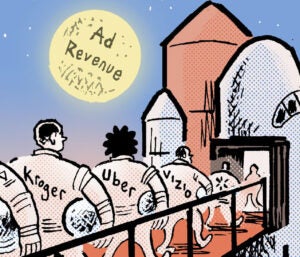
There are hundreds of retail media networks. Even if you narrow the definition to brick-and-mortar retail chains – and ignore the endless parade of first-party data sellers now flying the “retail media” flag – there are still simply too many platforms for marketers to manage.
And marketers will be stuck with that reality for a while, because consolidating these data sets is slow, messy work.
Take, for example, Modern Retail’s report that Sam’s Club merchants will be able to tap into Walmart’s retail data analytics hub – whimsically named Scintilla – in the US starting next year.
Sam’s Club, for those who may not know, is a wholly owned subsidiary of Walmart. It’s named for Sam Walton, Walmart’s founder.
This Scintilla update has been one of the most requested changes from suppliers – that is, brands that sell in Walmart and Sam’s Club stores – Walmart CFO John Rainey told investors during an earnings call yesterday.
Scintilla is a rebrand of Walmart Luminate, the data platform Walmart launched in 2021. Sam’s Club will be integrated at an undisclosed point in 2027.
Cool. But now imagine making this work with retail chains that aren’t literally the same company.
Let’s Not Make A Deal
How much money would it take for a creator to agree not to strike a deal with Netflix?
YouTube is hoping that the answer is somewhere in the realm of millions.
On Wednesday, YouTube announced that it will offer some of its most popular creators millions of dollars if they promise to exclusively post their content to YouTube for a given period of time. The decision comes after multiple of YouTube’s biggest creators – including the Stokes Twins and Ms. Rachel – signed non-exclusive deals with Netflix.
Agreeing to YouTube exclusivity might not just be a financial win for creators, though – it could also be self‑preservation. Creators who sign deals with Netflix reportedly face consequences from YouTube, including less representation in marketing campaigns and at events, Bloomberg reports.
Many creators are drawn to Netflix deals because they can get millions for content they’re already making. But YouTube insists that cross-posting hurts its viewership and its status as a streaming platform.
Still, YouTube doesn’t want to operate as a full-on creator studio, Bloomberg adds, because that “would involve funding and providing creative direction.”
At this point, it sounds like YouTube is just trying to have its cake and stream it, too.
Rule Of Law
Political advertising has gone off the rails in America.
One reason is because the lawmakers who write the consumer protection regulations are themselves among the sliest, sleaziest and most shameless advertisers – and they’re very good at securing special treatment for political messaging.
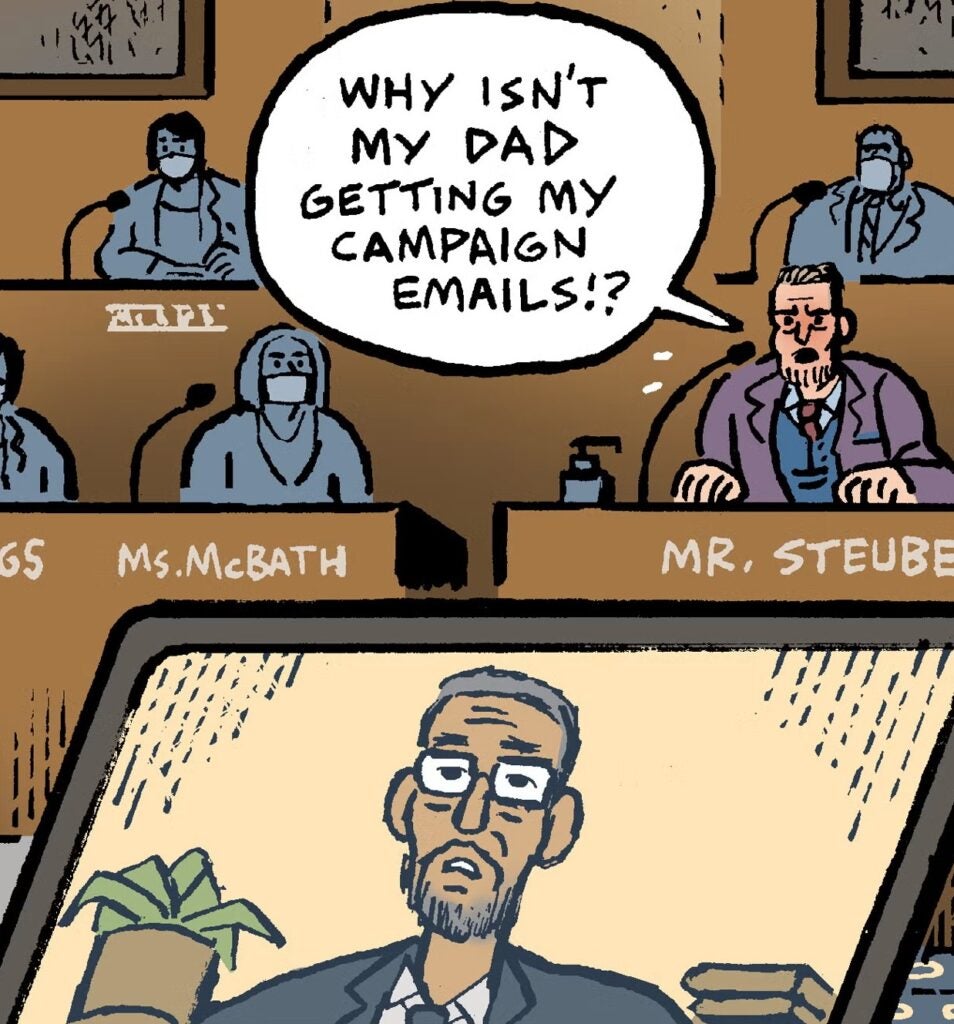
Which is how we ended up here. Political email marketers will now be able to leapfrog the Gmail spam filter, The New York Times reports. This new arrangement follows a yearslong dispute in which Republicans alleged that Google unfairly filtered out their messages. (In reality, President Trump’s 2020 reelection campaign set off legitimate anti-fraud tripwires that mobile carriers and email inbox operators had established and communicated well ahead of time.)
But email is just one of the double standards. Campaigns and PACs sell and trade their donor and voter profiles in ways that would be scandalous for brands or agencies. But even when scandals are uncovered, they get suppressed by legal threats, as has been the case with a recent NYT investigation that found Democratic fundraising is heavily skewed toward older, more vulnerable donors.
Plus, political text messaging and phone call marketing spam are exempt from rules for commercial advertisers, including the use of mass robocalling. Political campaigns also don’t abide by the National Do Not Call Registry rules.
And there’s no good reason why – aside from the wry observation that if email spammers could vote in Congress, then the laws would be lax on email spam. (But, oh wait, they do.)
But Wait! There’s More!
The winners and losers of YouTube’s view count and monetization overhaul. [Digiday]
OpenAI has several job openings focused on deploying AI safely – which is especially necessary after its models hacked into Hugging Face last month. [Marketing Brew]
Walmart touts its advertising strength as it boosts guidance. [Adweek]
Senators are pressing TikTok to explain an “experiment” it ran that withheld safety measures for millions of its users. [Axios]
Here’s today’s AdExchanger.com news round-up… Want it by email? Sign up here.