
Performance CTV Is All The Rage, But The Mid-Funnel Still Matters
Jenny Wall is a veteran of the TV and CTV industry, but tends to specialize in what she calls “disruptive” companies.

Jenny Wall is a veteran of the TV and CTV industry, but tends to specialize in what she calls “disruptive” companies.
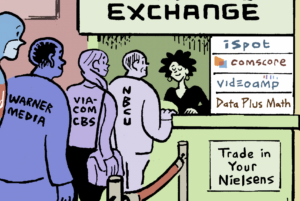
VideoAmp cuts 50 jobs; Roku reports its quarterly earnings; and customer acquisition costs are rising.

For the first time, Omnicom can directly compare ad frequency and performance across multiple major streamers, which typically prefer to keep data locked inside their walled gardens.

To close the gap between digital audio ad spend and audience engagement, audio platforms want to get more deeply embedded in omnichannel campaign planning tools.

Late last week, a federal jury in Delaware found in favor of HyphaMetrics, a measurement startup Nielsen was suing for allegedly infringing on two of its patents.

Now that upfront negotiations are almost over, the industry appears to have settled back into its default position of being mad at Nielsen – which is likely good news for its currency competitors, but not so great for everyone else in the meantime.

Comscore, iSpot and VideoAmp all reaffirmed last year’s full certification and currency-grade readiness, according to the broadcaster-backed joint industry committee (JIC)’s mid-term audit released Thursday.

The alternative currency bucket could use a rebrand. That referential and somewhat deferential phraseology – a reference to Nielsen – drives Peter Liguori, VideoAmp’s executive chairman, a little nuts. It stems, he argues, from the “absurd notion” that the TV industry “has almost 100% of its eggs in one basket.”

At VideoAmp’s “Vampfront” presentation on Tuesday, I couldn’t help but be reminded of my favorite pop culture vampire stories (in a good way).

CTV advertising has made great strides, but it still lags behind social platforms in one critical area: optimizing campaigns based on outcome data. Here’s how standardized conversion API integrations for CTV can help.

No punches pulled in another Senate hearing on Big Tech’s excesses; Nielsen’s lawsuits accusing competitors of IP infringement keep getting dismissed; and investors grow wary of Reddit’s closeness to Google.

Broadcasters, streamers and video currencies are making a lot of noise at the Consumer Electronics Show in Las Vegas this week.

On Monday, Disney released a new ad product called Disney Compass designed to give buyers quicker and more direct access to Disney data in addition to data from Disney’s identity and measurement partners.

Every week, we publish an original comic creation inspired by trends in the online advertising industry. These are the stories – and the highly specific double entendres – behind AdExchanger’s top 10 comics of 2024.
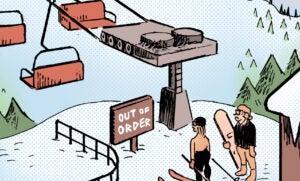
What captured our readers’ attention this year was both a continuation of and a departure from years past. Our top 10 stories in the past year coalesce around two themes: kookies and kwality. Ahem, cookies and quality.

It would probably be fair to call 2024 the year that CTV went programmatic and became a digital performance channel.

Despite their dependence on Nielsen, programmers love complaining about the TV ratings titan. But Paramount Global recently went beyond griping when it announced its contract with Nielsen had lapsed.
The broadcaster-backed joint industry committee certified iSpot as a national currency. The JIC already certified Nielsen’s other competitors – VideoAmp and ComScore – in April.

Equativ (formerly known as Smart AdServer) announced its acquisition of Sharethrough, an SSP with a specialty in native advertising.

A new startup called BranchLab, which was launched earlier this year by three ad tech vets, wants to help pharma brands and health care providers apply more targeting to their TV ad campaigns – but without using actual identifiers. On Thursday, BranchLab announced the completion of a seed funding round.
Enjoy this weekly comic strip from AdExchanger.com that highlights the digital advertising ecosystem …

Alternative TV currencies are ready for prime time from a technology standpoint. But media buyers aren’t quite there yet when it comes to adoption, says Josh Chasin, VideoAmp’s former chief measurability officer.

In today’s newsletter: The CMA still has a bone to pick with the Chrome Privacy Sandbox; the FCC fines mobile carriers for selling customer location data to data brokers; and the Financial Times is the latest publisher to strike a licensing deal with an AI company.

In today’s newsletter: Google’s cookie deprecation delay hurts Chrome Privacy Sandbox supporters; mall chains go for broke with their DTC efforts; Warner Bros. Discovery launches a first-party data product.

The democratization of media mix modeling is the main idea behind the launch of marketing analytics platform FutureSight.online.
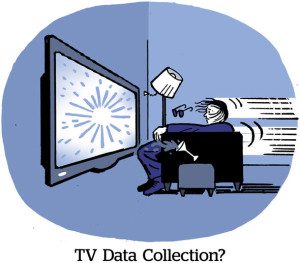
Now that alternative TV currencies have passed the initial sniff tests, how should buyers and sellers compare their viewership numbers? The leaders of Nielsen, Comscore, iSpot and VideoAmp gathered onstage during the Coalition of Innovative Media Measurement summit in New York City to answer that question.
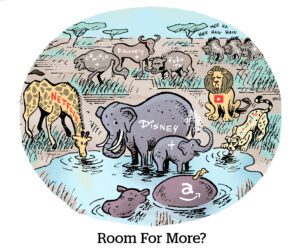
Big streamers aren’t joining the JIC, which could spell trouble for the broadcaster-backed organization; Spotify raises prices again; Chase gets into retail media.

The broadcaster-backed joint industry committee announced it will certify Comscore and VideoAmp as national TV currencies ahead of May’s upfront negotiations.

In today’s newsletter: The simmering tension between Apple and Meta keeps growing; Nielsen panels have staying power; Temu’s Super Bowl play probably won’t pay off.

Nielsen’s complaint against VideoAmp is the ninth patent infringement lawsuit it’s brought against rival companies in just three years.