Trust In Antitrust
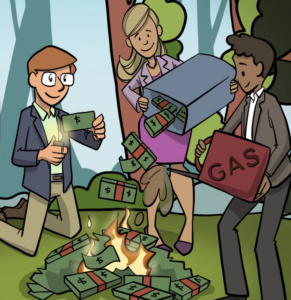
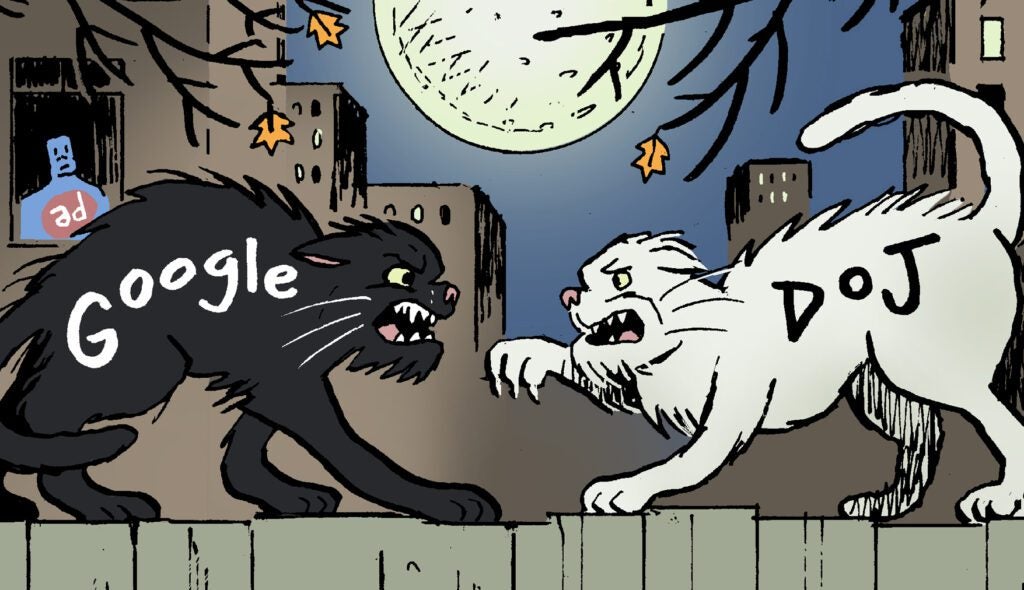
By all accounts, Google was hit with a relatively lenient set of penalties during the recently concluded remedy phase of the search antitrust trial.
According to CNBC, and numerous other outlets, the sudden proliferation of generative AI search engine alternatives, such OpenAI’s ChatGPT, was a major factor in Judge Amit Mehta’s decision.

In fact, the judge said as much himself: “The emergence of GenAI changed the course of this case,” he wrote.
The ad industry was sorely disappointed by the lax remedies, but there is a general sense that the time for intervention has passed. Google may as well walk, you might say, on a statute of limitations-type technicality.
“Internet browsers as a technology are literally 30 years old,” Myles Younger, chief growth officer of U of Digital, tells Digiday. Forcing a Chrome divestiture would have meant “causing a bunch of upheaval in a marketplace for technology that has already entered a period of structural decline.”
Counterintuitively, another problem with a forcible breakup is that any company deep-pocketed enough to buy Chrome with an agenda to make money would itself be thrust immediately into an antitrust tangle.
The net-net, as always, is a win for Google.
You Got Your Peanut Butter In My … Everything?
The biggest new marketing trend you need on your radar, per Business Insider, is the crop of unexpected brand crossovers. And by “unexpected,” we mean “weird.” Like, Kate Spade making a purse shaped like a Heinz Ketchup packet, weird.
Brand crossovers aren’t new, but they used to feel more … contained, let’s say. For example, Taco Bell’s Mountain Dew Baja Blast and Doritos Locos Tacos are technically crossovers, but at least those brands once shared the same parent company (PepsiCo) and are part of the same vertical (food that makes your insides feel bad).
Taco Bell announcing a Y2K-themed menu with limited-edition merch from streetwear brand Ed Hardy, though? That just feels weird.
But while merch drops might be great for viral, short-term attention, marketers should take care not to let these kinds of collaborations dilute their larger brand strategy.
After all, cutting through the noise is much harder to accomplish when it’s all noise. And divorced from a larger context, “Kate Spade Heinz Ketchup Packet Bag” sounds like the sort of algorithm-driven buzzword slop that led to the rise of the “Labubu Matcha Dubai Chocolate” meme.
Oh Geez, OGs
Many early programmatic entrepreneurs and sales leaders made tens if not hundreds of millions of dollars on startups before leaving ad tech for other pastures.
But the utter powerlessness that many marketers and publishers now feel in the new AI-powered world has tempted many ad tech OGs back into the fray. One example is Brian O’Kelley, whose do-goodery carbon-counting startup Scope3 is looking more and more like a brand verification and campaign optimization company by the day. Or Mobian, a new take on brand suitability and attribution from Jonah Goodhart, who already did that with Moat, which he sold to Oracle. (And then Oracle shut it down.)
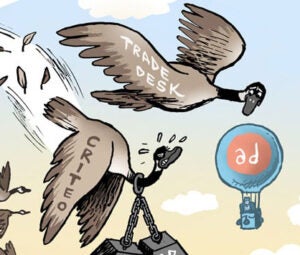
There’s also Rembrand, the generative AI creative startup founded in 2023 by Omar Tawakol, co-founder of BlueKai (also sold to Oracle). Meanwhile, late last year we saw the launch of Evertune, another solution to help marketers understand AI engines, this one founded by Brian Stempeck, an early leader at The Trade Desk. Evertune is backed by a whole slew of his former TTD colleagues.
And now meet the latest startup on the scene, Symmetri, which aims to help advertisers and publishers understand and improve how their brands appear in AI search engines. It just raised $6 million from a slew of programmatic OGs, too, Adweek reports, many of whom previously sold businesses to the likes of Oracle, Salesforce and LiveRamp.
Symmetri’s co-founders include Tom Chavez and Vivek Vaidya, who lead venture studio Super{set}, where Habu was born – you know, the clean-room startup that LiveRamp bought last year. They also founded Krux, which they sold to Salesforce back in the day.
It’s a small world after all.
But Wait! There’s More!
Streameast, the world’s largest streamer of pirated sports content that laundered $6.2 million in ad revenue since 2010, has been shut down after a yearlong international sting operation. [NYT]
X’s panic over whether or not Trump died this weekend suggests that, inexplicably, the app might still have some juice. [Garbage Day]
Right wing TV channel Newsmax has filed an antitrust lawsuit against Fox News. [CNN]
Another AI winter is coming. [Fortune]
Creator marketing is on the rise, especially through paid media, rather than direct partnerships. [Digiday]
Shein used an AI-generated likeness of Luigi Mangione to model one of its shirts. [404 Media]
Ad.com acquires ad monetization platform Underdog Media. [release]
Salesforce CEO Marc Benioff says the company was able to cut 4,000 customer service roles because AI agents have taken over those tasks. [Fortune]
You’re Hired!
Seedtag appoints Joseph Meehan as its new chief exchange and supply officer. [release]
Reward app Fetch hires Ori Schnaps, who held roles at Meta and Reddit, as its new chief technology officer. [release]
DMP Permutive appoints Aline Zenses as its managing director for the DACH region. [release]
Here’s today’s AdExchanger.com news round-up… Want it by email? Sign up here.