
Yahoo Says Its AI Isn’t Bad For Publishers; Movie Clippers Go Viral For Ad Bucks
Yahoo is not like other companies promoting AI buzz; Elite “clippers” turn longform content into short, shareable clips; The Army prepares to reset ad business.
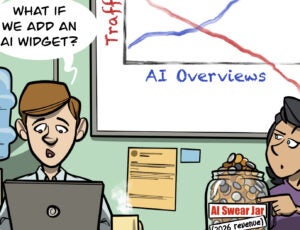
Yahoo is not like other companies promoting AI buzz; Elite “clippers” turn longform content into short, shareable clips; The Army prepares to reset ad business.
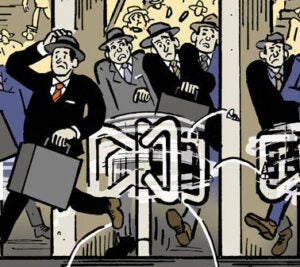
Samsung teases a shoppable TV integration with Amazon; hackers target AI search users for marketing account takeovers; and new research shows young news audiences are “social-first.”

Influencers aren’t all on board with shoppable ads; Americans are buying less makeup; and Madison and Wall predicts growth (unless everything falls apart).
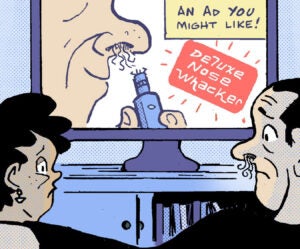
There are more pharma ads on CTV, but are they even targeted?; Gen Z longs for the ad-free TikTok of yore; and Meta buys a social network for AI agents.

Enjoy this weekly comic strip from AdExchanger.com that highlights the digital advertising ecosystem …

Agentic commerce can’t stop, won’t stop; Perplexity is officially done with its ads business; and AppLovin may launch its own social media platform.

Brands allocating a sizable chunk of their marketing budgets outside of Google and Meta achieve the best customer acquisition costs, proving that diversification is a performance strategy.

TikTok may be doubling down (again) on Shop; bots are scraping content they’re banned from; and Walmart is allegedly selling counterfeit products.

It’s hard to break into the ad platform big leagues; AI platforms debate the value of ads; and vibe coding isn’t all it’s cracked up to be.

People Inc. is offsetting a 50% decline in Google search traffic through off-platform growth and its highest digital revenue gains in five quarters.
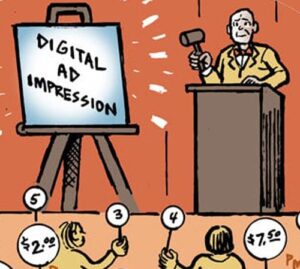
The MRC’s auction transparency standards aren’t intended to force every programmatic platform to use the same auction playbook – but platforms do have to adopt some controversial OpenRTB specs to get certified.

A Google divestiture is still in the cards; the IAB’s new framework lays out exactly when to disclose use of AI; and Hershey’s doubles down on marketing.

ChatGPT ads might already be here; TikTok’s new ownership deal has marketers spooked; and California unveils a new consumer protection act.

H&R Block’s marketing strategy focuses on Gen Z and relatability, both during tax season and beyond.

For years, MFA was a mostly web-based problem. Now, generative AI has supercharged the made-for-advertising model, and it’s infecting social media feeds and vertical video platforms.

DMG Media has a new social-focused agency services biz; AI search and AI slop sites are cannibalizing recipe sites; and a new TikTok trend blasts brands for not delivering free stuff they didn’t promise.

After pulling back on moderation, Instagram gets flooded with antisemites; BidSwitch builds a programmatic way for AI bots to pay to crawl websites; and nearly half of Gen Z dislikes AI content.
There’s no magic bullet for AI search optimization; how kids’ media monetizes outside of YouTube; and hey, whatever happened to the TikTok ban?
Reddit sues four companies for scraping and selling (and buying) its data; Unity Software’s new zero-fee product is good news for mobile developers; and brands aren’t thrilled by TikTok shop’s latest updates.

Apparently, we’re in for a hardware revolution; advertisers don’t know what to expect from the US’s new version of TikTok; and live sports should take better advantage of ad opportunities.

The fate of the open web will be decided on who controls the data that drives monetization and the AI that determines distribution. Google controls both, and proposed remedies to its ad tech monopoly do not address this imbalance.

The layoffs reflect a strategic decision on People Inc.’s part to free up money to invest in growth areas, according to CEO Neil Vogel’s memo to employees.
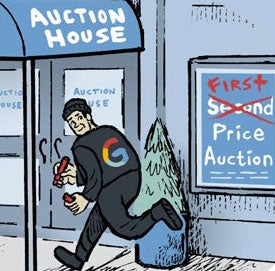
Ask advertisers, not Meta, how best to use Meta’s ad platform; holdcos and big brands are pressuring Big Tech to self-regulate; and how data-driven animal husbandry is impacting marketing.

ChatGPT and others continued the fragmentation of the search journey, which today hops between platforms and intents. The funnel no longer exists. Here’s how to pivot your brand’s SEO/GEO strategy.

The Trade Desk insists its OS is still coming; TikTok Shop is becoming a grocery store; and for AI studios, bad press is still press.

The number and scope of U.S. laws that require advertisers to disclose the use of AI are limited. But there are some restrictions and guidelines that advertisers must follow to ensure their compliance.

Delivery apps are launching social networks now; Google is the latest Big Tech company to write a huge check to Trump; and ad agencies of all sizes apparently aren’t big enough.
Another day, another Google lawsuit; AI can’t be held accountable for its crimes; and the US and China have (maybe) reached a TikTok deal.

As display falters, Minute Media is acquiring AI tech that cuts longer-form video content and full-length games into bite-size clips.
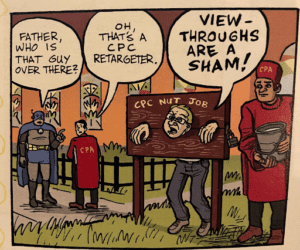
Walmart’s CTV and DSP business shine in a meh Q2; plummeting search traffic is blowing up cost-per-click pricing; and TikTok annoys brands with its black box optimization.