
Why Threads Does (And Doesn’t) Matter; The Pixel Bullseye
The Threads app is a counterpoint to the argument that scale and reach are what count. Plus, the USPS has been disclosing info on customers.

The Threads app is a counterpoint to the argument that scale and reach are what count. Plus, the USPS has been disclosing info on customers.

Ad tech faces a GDPR compliance paradox. Plus, TikTok will make it harder to target teenagers and plans to give users more control.

Yahoo may have earned itself a stay of execution with The Trade Desk. Plus, TV buyers are clinging to Nielsen for yet another upfront season.

Upfront negotiations might take longer than normal this year. Plus, Meta is already in hot water with the EU’s new digital regulations.

The Global Media Sustainability Framework, which was announced Monday during a panel at Cannes, saw collaboration across all parts of the industry. Supporters include the 4As, IAB, Dentsu, Google, GroupM, L’Oréal, Omnicom, Publicis Groupe, Mastercard, Meta and Unilever.

Media governance measures advertisers can put in place to navigate the complexity of brand safety and gain better control of the quality of their media spend.
In today’s newsletter: How changes in streaming ad inventory could impact upfront CPMs; video cracks 50% of engagement on Meta’s platform for the first time; and Apple is in talks to launch Apple TV+ in China.

In today’s newsletter: Why Apple’s SKAdNetwork 4.0 is a bust; advertisers are irked by Google’s optimization-driven demand for different creative formats; The Trade Desk releases a baffling list of top 100 publishers.

RAG is a recently developed process to ingest, chunk, embed, store, retrieve and feed first-party data into AI models. Here’s how to use these tools to inject first-party data into your next AI-enabled campaign.

In today’s newsletter: Ampla suspends loans to DTC brands, putting their ad budgets at risk; why Sony is investing in IP rather than a streaming platform; and Netflix will move on from Microsoft in favor of in-house ad tech by 2025.

Audience targeting and online information campaigns have had some gnarly byproducts. Advertisers need to own our contributions to political polarization before it can get better.

In today’s newsletter: How the Amazon-TripleLift deal illustrates retail media’s need for standardization; legacy publishing brands persist as investors extract value from their name recognition; and mortgage lenders get caught sharing data with Meta.
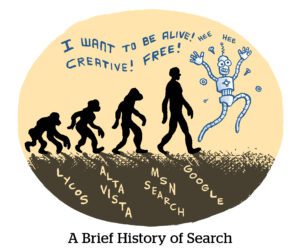
In today’s newsletter: Google’s generative search experience launches in the US; kid-focused brands worry Instagram is serving their ads to predators; Fox hypes clean rooms and shoppable TV at the upfronts.

Meta’s NewFronts presentation on Thursday was Reely focused on AI. But seriously, folks, Meta has three intertwined obsessions right now: short-form video, the creator economy and artificial intelligence.

There are other motivating factors for crossing the LUMAscape, besides increased efficiency and less ad fraud. These businesses are trying to position themselves to win in a transformative era that will make or break many ad tech companies.

AdGPT, a startup that uses AI to automatically create hundreds of ads across Facebook, Instagram, Taboola, Outbrain, Google, LinkedIn and X, came out of stealth mode on Wednesday.

In today’s newsletter: Roku and The Trade Desk expand their partnership; Instagram changes its content recommendation system; and the European Commission investigates Meta for potential Digital Services Act violations.

In today’s newsletter: The CMA still has a bone to pick with the Chrome Privacy Sandbox; the FCC fines mobile carriers for selling customer location data to data brokers; and the Financial Times is the latest publisher to strike a licensing deal with an AI company.
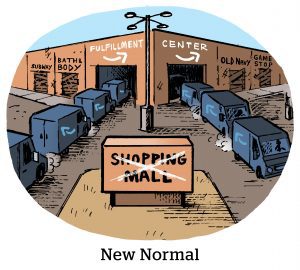
In today’s newsletter: Google’s cookie deprecation delay hurts Chrome Privacy Sandbox supporters; mall chains go for broke with their DTC efforts; Warner Bros. Discovery launches a first-party data product.

CEO Mark Zuckerberg cautioned that it will likely take years before Meta’s generative AI products, including Meta AI, are ready for monetization.

In today’s newsletter: Another fin tech platform joins the ad tech fray; Temu’s runaway spending may be driving up Meta ad prices; and company emails reveal the power struggle between Google Ads and Google Search.

In today’s newsletter: Google’s new generative AI image tool within its campaign planning product has some major limitations; Grindr faces a class-action claim over its data-sharing practices; and Snap snaps up political ads.

In today’s newsletter: The marketing data ecosystem is key for fin tech; media buyers acknowledge YouTube as part of their TV strategies; and Threads will launch ads later this year.

In today’s newsletter: The European Data Protection Board outlaws Meta’s “Pay or OK” model; Walmart sharpens its conquesting tools; and Roku seeks more ad supply.

In today’s newsletter: Google AdSense publishers are in crisis; Apple is fighting antitrust suits in the UK and the US; and Sherwood Media has a post-SEO strategy.

In today’s newsletter: The quantum entanglements of Google’s and Reddit’s contracts could come under scrutiny; Meta’s ad revenue growth is healthy, though its ad platform’s a mess; and TikTok’s developing AI-generated creators for advertising.

In today’s newsletter: Data broker Adstra sues IPG-owned Acxiom and Kinesso; Apple could strip the P address of its status as a useful identity signal; and Roblox will introduce video ads later this year, with SSP PubMatic as its programmatic vendor.

AdExchanger caught up with Zefr’s new chief AI officer, Jon Morra, about his role and how digital media will adapt (or acquiesce) to AI tech.

In today’s newsletter: AppLovin raises $144 million and buys video shopping app Flip; Google agrees to disclose that it collects data from Incognito users; and why Trader Joe’s is (and isn’t) the Shein of grocery stores.

If Alex Schultz, Meta’s CMO and VP of analytics, had his way, the term “performance marketing” would be retired. There isn’t a line [between] brand and performance,” he says. “It all performs.”