In 2016, Heineken USA embarked on a customer data strategy to understand more about its consumers and to help drive brand awareness.
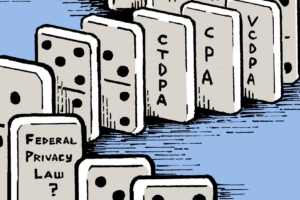
Since that time, privacy regulations in Europe, California, Virginia and elsewhere have rolled out, and Apple will soon make IDFA opt-in, likely limiting its use for advertisers.
The world’s second-largest beer maker was looking for ways to “future proof” its data strategy around identity, privacy and consent, and use data across its brands — Heineken USA also owns Dos Equis and Tecate — to ensure it can segment and target across channels.
Initially, the company relied on a data management platform (DMP).
But because DMPs are built on cookies and aggregate third-party marketing data, Heineken USA was limited by using DMP segmentation and needed a more sustainable solution, especially after Google announced that it would block third-party cookies in its Chrome browser by 2022 and wouldn’t support alternative IDs.
As a result, there is a sense of urgency among brands to shift away from third-party data, Rebekah Kennedy, Heineken USA’s director of consumer insights, told AdExchanger.
“An issue we had with DMP-based segments historically was that we lacked a lot of insight,” Kennedy said. “DMPs are built on those more anonymous identifiers, and that will become a lot harder to use once these browser changes come. We needed to really look to replace the anonymous identifiers with a more sustainable solution that was built on identity, which we think is used more consistently across channels.”

Heineken USA dumped its DMP and partnered with customer data platform BlueConic last year as part of a strategy that relied on information collected directly from consumers. This strategy includes implementing personalized campaigns and promotions to build one-to-one customer relationships.
“The advantage of having a first-party data strategy is primarily just understanding more about consumers,” Kennedy said. “And one of our goals for doing that was to improve media efficiency and effectiveness through segmentation and consumer engagement strategies.”
But getting that direct consumer relationship is particularly challenging for CPGs like Heineken USA, which sell to distributors and, as alcoholic beverage companies, are by law prohibited from selling directly to consumers. “We’re a long way away from the actual person that’s drinking our product,” Kennedy said.
Because it lacked access to its own first-party data, Heineken wanted to boost its interactions with consumers via online touchpoints. BlueConic allows Heineken USA to build segments based on consumer interests and marketing consent, which can be applied to campaigns across the Heineken, Tecate and Dos Equis brands.
BlueConic COO Cory Munchbach said that with third-party cookies going away, more CPG companies are turning to CDPs to embrace DTC business models and manage consent.
“We’re also seeing a lot of companies using this as an opportunity to rethink fundamental parts of their business and innovate around revenue models,” Munchbach said.
Heineken USA imports consumer data from multiple agencies it works with. Centralizing it into BlueConic’s CDP reduces consumer data risks and ensures compliance with the EU’s GDPR and California’s CCPA. Kennedy said that it’s “super easy” for consumers to opt-out.
“From a governance point of view, that’s really important,” she said, adding that the use of cookie tracking to target consumers is not “legitimate or respectful. The privacy point of view was a big factor for our legal team.”
Kennedy said that the partnership with BlueConic is part of a larger strategy at Heineken USA that includes work with Dentsu agency Merkle as an identity partner, in part to extend the company’s reach in CTV.
Heineken USA is working with BlueConic on email marketing initiatives, including one promoting new flavors for Dos Equis that launched this year.
“We’re looking to understand how we can use email marketing as a channel for awareness and engagement, understanding what kind of products and flavors people are liking,” Kennedy said. “Email marketing … is never something it seemed like [Heineken USA] would do, but I think with this first-party data focus, it does become quite compelling.”
Heineken USA is also using first-party data across social platforms and anyone that accepts an identifier. For example, with any ecommerce campaign, Heineken USA can identify users that interacted with its brands to help drive those consumers to the nearest retailer selling its products.
“It’s something we wouldn’t have been able to do previously,” Kennedy said.