
The California Privacy Protection Agency Is ‘Primed And Ready’ For Enforcement
It may appear as if The California Privacy Protection Agency has been in hibernation mode. But don’t let that fool you. The bear is awake and it’s got an appetite.

It may appear as if The California Privacy Protection Agency has been in hibernation mode. But don’t let that fool you. The bear is awake and it’s got an appetite.

To help bridge the disconnect between SMBs and media platforms, Media Disco recently launched its self-serve ad-buying platform.

If Alex Schultz, Meta’s CMO and VP of analytics, had his way, the term “performance marketing” would be retired. There isn’t a line [between] brand and performance,” he says. “It all performs.”

SuperAwesome CEO Kate O’Loughlin discusses how contextual targeting makes it less risky for brands to market to kids and teens, and whether advertiser priorities for reaching young consumers are shifting after years of metaverse hype.

New requirements with respect to the processing of children’s data are occurring at the U.S. state level and seemingly flying below the radar. Here’s how these changes could impact targeted advertising in the United States.
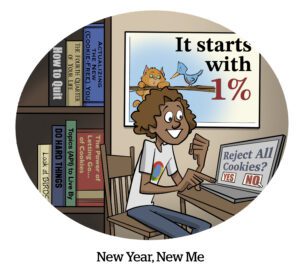
In today’s newsletter: Google’s ad strength meter could push advertisers to adopt Google’s campaign preferences; Home Depot hosts an “InFront” to show off its RMN, Orange Apron Media; and the Privacy Sandbox rollout could do serious damage to the online ad industry.

Gathering information from industry insiders is a critical part of the CMA’s evaluation process, says Chris Jenkins, director of the its Digital Markets Unit.

The third-party cookie actually stymied the development of digital advertising. Here’s what the cookie got wrong and what its inheritors need to get right.

Here’s some free legal advice from a privacy lawyer: Don’t make privacy claims if you’re not going to stick to them.

If interoperability, scale and privacy are the goals, how can publishers build a data culture that sets them up for success?

In today’s newsletter: The DOJ publishes its antitrust suit against Apple; Reddit’s stock pops on its IPO day, but its long-term prospects depend on Google; and Amazon’s hollowing out Twitch.

Now, advertisers have more flexible access to the MTA’s four million daily riders while they’re inside the stations, waiting for their trains.

Businesses will always need to find a compromise between privacy and utility, but it’s more than possible to strike a healthy balance, says Graham Mudd, president and chief product officer at privacy startup Anonym.

Cookie loss is happening, even if it doesn’t feel imminent, and there’s no point in procrastinating, according to Sisi Zhang, chief data and analytics officer at Publicis-owned Razorfish.
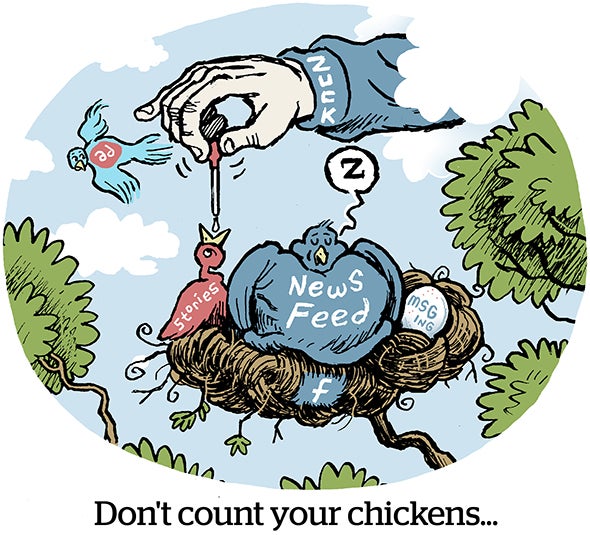
In today’s newsletter: Meta will shutter news benchmarking service CrowdTangle; Reddit rolls out a new ad format to monetize its user activity; and the ANA readies a report analyzing the programmatic supply chain.

If you weren’t able to tune in to the FTC’s PrivacyCon event last week – it was a seven-hour affair, after all – then worry not. We gotchoo.

There’s a lot more good than bad in Google’s Privacy Sandbox. Here’s why some of the current criticisms around the cookie alternative don’t hold water.

Commissioner Rebecca Slaughter had some free advice for anyone tuning in to the Federal Trade Commission’s virtual PrivacyCon event on Wednesday: “Pay close attention to Kochava.”

In a world without cookies, ads aren’t viewable and yield goes down. But it’s still early days. Mediavine SVP Amanda Martin shares early results from its Privacy Sandbox tests.

The next wave of privacy regulation revolves around data brokers. And while the term “data broker” may have a negative connotation, its legal definition is fairly straightforward.

In today’s newsletter: Can Etsy and Wayfair compete against Temu?; audience data dominates the TV upfronts; the FTC sues to block the Kroger/Albertsons deal.

“Compliance doesn’t have to be a chore, and legal can be a strategic partner,” says Jamie Lieberman, chief legal officer at ad management and monetization platform Mediavine.

Reddit generates “substantially” all of its revenue through advertising, and its S-1 filing reveals its strategy for licensing data and becoming “the leader in contextual advertising.”

In today’s newsletter: Criteo’s investors clamor for a sale; the FTC fines VPN provider Avast for deceptive data practices; air quality-focused site HouseFresh laments the state of online search.

In today’s newsletter: The simmering tension between Apple and Meta keeps growing; Nielsen panels have staying power; Temu’s Super Bowl play probably won’t pay off.
After Temu’s 5+ Super Bowl ads and billions in ad spending, will people shop like a billionaire? We discuss the strange profligacy of the discount shopping app.

The partnership announced on Thursday between MediaMath’s new owner, Infillion, and programmatic media buying platform AdLib isn’t a typical integration. It’s what you might call a reintegration.

Do people hate ads? No, according to Vegard Johnsen, eyeo’s chief product officer. What they don’t like, he says, is not being treated with respect.

Some marketers failed to heed the warning signs that their relationship with third-party cookies was coming to an end. But the time to move on is now. Fortunately, there are plenty of other addressability solutions in the sea.

The question isn’t whether Google will fall, but whether its time is near. And, if so, what will finally bring it down?

Inside how Jones Road Beauty is trying to turn messy, conflicting measurement signals into a single testing roadmap for its media mix.

IAPP’s Global Summit in DC was a reminder that AI is moving fast – and judges, privacy lawyers and practitioner are racing to keep up.
An upcoming paper from CIMM doesn’t just demonstrate that differences in media quality can be measured. It also argues that tying media value to short-term outcomes has perpetuated longstanding industry challenges.

Not unlike last year, the mood during TikTok’s NewFronts presentation last week felt like cautious optimism, if not outright relief.

Can a good sales presentation offset the impact of a very bad news week? That’s a question for Meta, which collected two guilty verdicts in court this week for failing to protect children and creating additive products.

Meet Clamor, a new social listening product that pulls cultural insights from online conversations in real time. Clamor helped Manscaped freshen up its marketing, including for this year’s Super Bowl.