
Reddit’s Ad Biz Is Up, But Its Stock Is Way Down
Reddit reported on Thursday $690 million in ad revenue for Q4 2025, a 75% YOY increase. But the company’s stock is down 38% over the past month.

Reddit reported on Thursday $690 million in ad revenue for Q4 2025, a 75% YOY increase. But the company’s stock is down 38% over the past month.

On stage at the IAB’s Annual Leadership Meeting, IAB CEO David Cohen tore into AI companies, accusing them of “free riding” on publishers’ work – and calling it “stealing.”

To those who knew him, John “JG” Gentry wasn’t just a CEO. He was a colleague who showed up with genuine care and curiosity.

Meta is channeling its booming ad revenue into a $135 billion AI drive to power its “personal superintelligence” future.

AirOps’ new Page360 platform helps brands update their content to better perform across traditional search, AI search and online forums.

Alphonso’s founders lobbed yet another lawsuit at LG Electronics – this one seeking up to $4.5 billion in damages – over claims the company sabotaged their IPO, diverted profits and unfairly diluted their stake.
Adswerve recently developed a custom bidding script to help Betterment generate more conversions from its leads.

OpenX’s new API suite provides ad buyers with a more detailed view of the bidstream and, as a result, more accurate targeting.

Who bought what and why this year? Here’s a (mostly) comprehensive list of all the notable ad tech, agency and digital content deals of 2025.

The Trade Desk is cutting its workforce. A company spokesperson confirmed the news with AdExchanger. The layoffs affect less than 1% of the company.

Fluency plans to invest its new funding into AI and engineering to bring more automation into the platform.

On Tuesday, Infillion launched fully agentic media execution platform built on MCP, marking a shift from the programmatic to the agentic era.
Spencer has exited The Trade Desk after 12 years, marking another major leadership change amid friction with ad tech trade groups and intensifying competition across the DSP landscape.

Two sources at ad tech platforms that observe programmatic bidding patterns said they’ve seen Omnicom agencies shifting spend from The Trade Desk to Amazon DSP in Q3. The Trade Desk denies any such shift.

With its latest funding, Agentio plans to expand its team and to establish creator marketing as part of every advertiser’s media plan.

The IAB Tech Lab’s latest framework proposes new standards for containerization and sets the stage for a fully agentic media buying process.

Nextoor is rolling out a bunch of new ad capabilities, including campaign optimization, contextual weather-based ad targeting and expanded video ad formats.

Innovid’s new open orchestration layer aims to connect data and tech throughout the advertising process, breaking down fragmentation and silos.

The Trade Desk posted solid Q3 results on Thursday, with $739 million in revenue, up 18% year over year. But the main narrative for TTD this year is less about the numbers and more about optics and competitive dynamics.
AppLovin may be facing heat over its data privacy practices, but soaring profits and big AI ad bets have investors cheering anyway.

Uber Advertising, in partnership with Adelaide and Kantar, launched a first-of-its-type custom attention metric score for its platform advertisers.

While Reddit had plenty to crow about on the advertising front, it was less sanguine about the rise of generative AI search, which CEO Steve Huffman said is “not a traffic driver today.”
Alphabet reported on Wednesday that its total Q3 revenue was $102.3 billion, up 16% year over year, while net profit increased by a third to $35 billion.

Meta’s Q3 earnings saw increased growth in its ad business and continued the conversation on superintelligence.
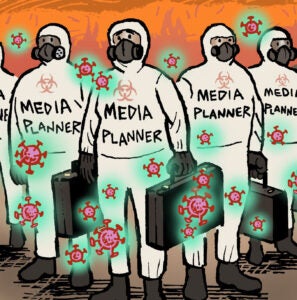
My Marketing Pro has set out to automate the entire marketing process, from brainstorm to launch, via conversations with an agent.
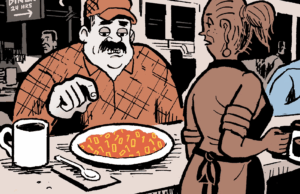
Hightouch’s new ID Express solution aims to simplify the process of converting email addresses and phone numbers into UID2s.
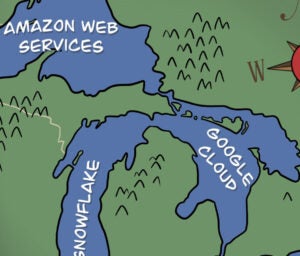
AWS RTB Fabric offers ad tech platforms more streamlined integrations with ecosystem and infrastructure partners, allegedly lower latency compared to the public internet and discounts on data transfers.
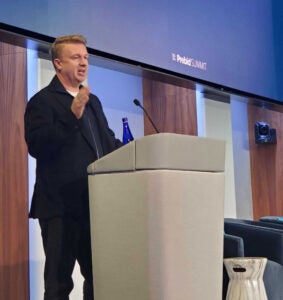
TTD shared new details about OpenAds features that let publishers see for themselves whether it’s running a fair auction. But tension between TTD and Prebid hung over the event.

Where the DOJ v. Google ad tech antitrust trial stands after one week’s worth of remedies arguments.

Swish, a startup that partners with retailers to provide product full-size CPG samples to people doing their grocery shopping online, announces $2.3 million in seed funding.