Thrown For A Doom Loop
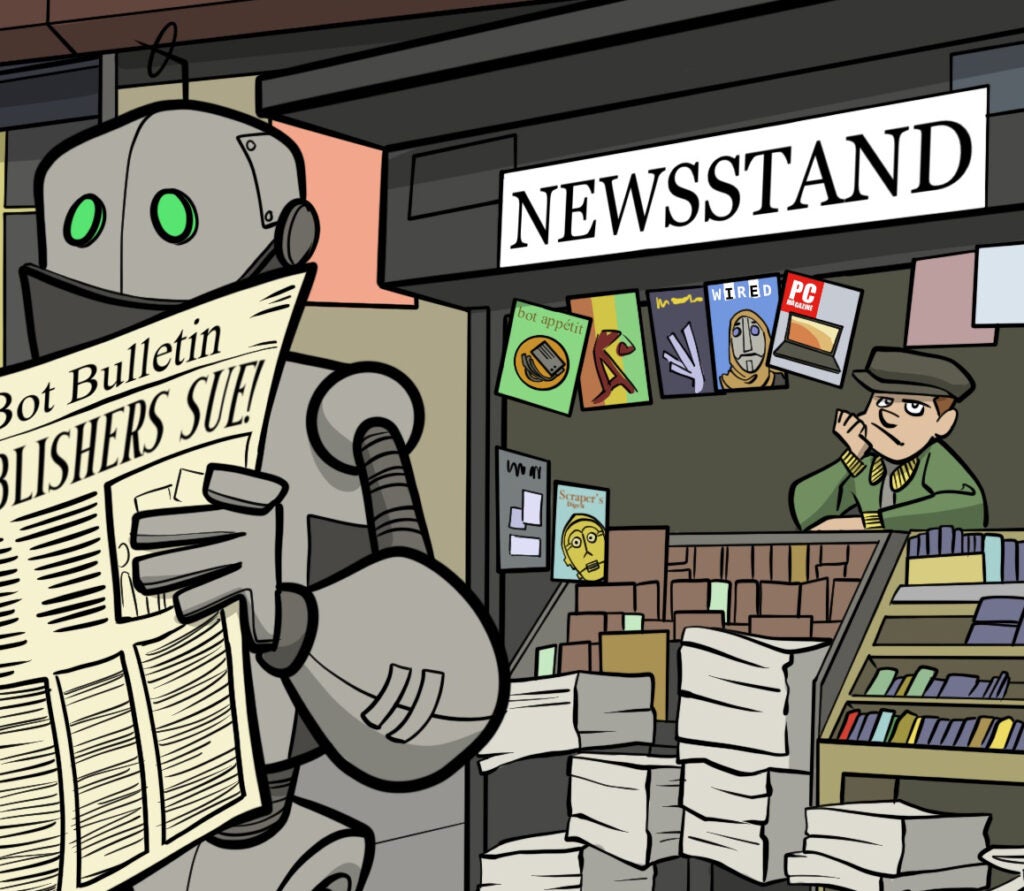
Generative AI critics point out that the tech cannibalizes its sources and, eventually, there won’t be any publishers left for AI to scrape.
Turns out the AI companies have been aware of that risk all along.
Newly unredacted communications included in a lawsuit brought by news publishers show OpenAI and Microsoft openly discussing the “doom loop” AI is creating for publishers and their own tech.
The Orlando Sentinel, one of the news orgs suing OpenAI and Microsoft, compiled some of the more damning quotes.
“It is highly unusual that an end-product threatens the economic foundations of its essential suppliers, but that is the situation we have created,” an unredacted Microsoft document reads.
AI models “hoovering up” the work of millions of journalists could be seen as the “largest theft of labor in human history,” says Microsoft Director of Applied Science Brent Hecht in another document.
And OpenAI President Greg Brockman responded “ah nice” when shown how the company’s tech can bypass publisher paywalls to scrape content.
Microsoft claims Hecht was hired to be an AI contrarian and doesn’t represent the company’s actual beliefs. OpenAI declined to give the Sentinel any comment.
But the documents prove Microsoft and OpenAI are knowingly committing theft and harming publishers, rather than operating in good faith with protection under the fair use doctrine, argues Steven Lieberman, an attorney representing the NY Daily News in the lawsuit.
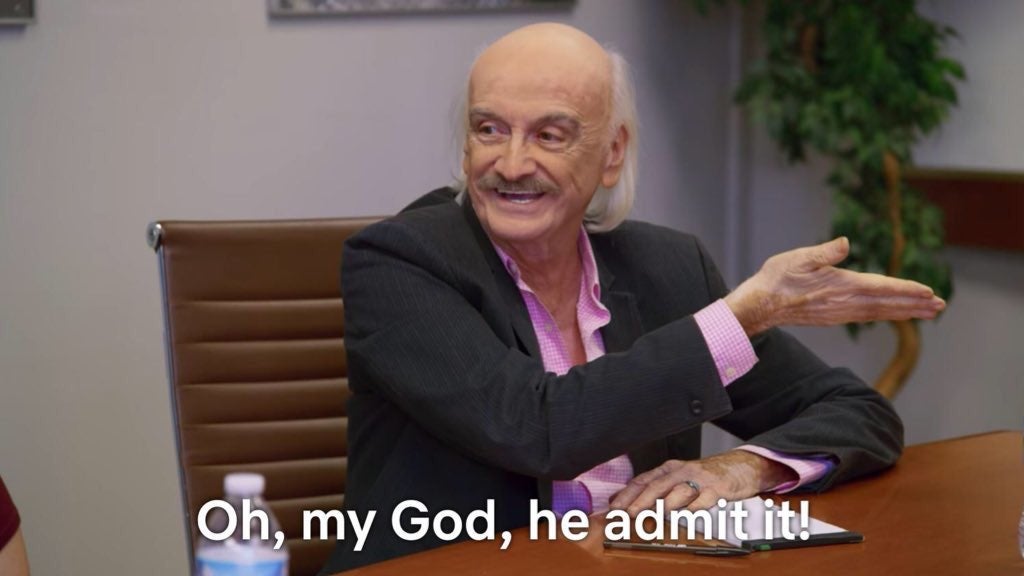
Or, as 404 Media’s Jason Koebler puts it, the documents are “the most They Admit It [thing] I have ever seen in my life.”
Everything Everywhere All At Once
Remember a few weeks ago when we shared Ikea’s unusual marketing integration with “The Elder Scrolls V: Skyrim,” which featured a Kallax shelf companion as voiced by Matt Berry?
Well, think of “Fortnite” as the anti-“Skyrim” – in that the cognitive dissonance of the former’s brand collaborations can hurt rather than help.
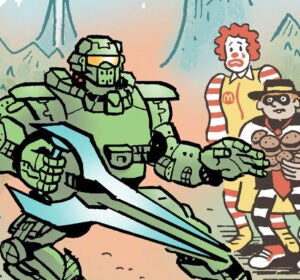
If you haven’t been keeping up to date with “Fortnite,” the multiplayer shooting game is now awash with licensed crossover skins and cosmetics. Everybody from Peter Griffin to John Wick to SpongeBob SquarePants to Lady Gaga are in the game now, shooting machine guns and doing TikTok dances over one another’s corpses.
The problem, Sam Greszes writes for Aftermath, is that these crossovers often go against the brand suitability guidelines of each individual IP. Which is why Fortnite’s “Sonic the Hedgehog” collaboration, for example, includes robot versions of the characters, so Sega could maintain its position that the “real” Sonic must not be allowed to hold a gun.
Just because “Fortnite” is a bit of a contextless free-for-all, that doesn’t mean nobody gets in trouble when its IP licensing goes wrong. Look at what happened last year, when developer Epic Games pulled a “Peacemaker” dance emote from the game after a major plot twist in the HBO series linked the dance move to Nazi imagery.
Much Ado About ARPU
Streaming with ads … but at what cost?
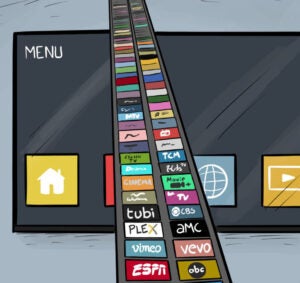
Research firm Forrester predicts three major streaming services will ditch the paid-subscription-only model and start launching free ad-supported tiers.
Most streamers offer a mix of ad-free and ad-supported plans, but many of those plans still require paid subscriptions. However, cost-conscious consumers are only willing to pay so much to be burdened by commercial breaks.
At the same time, streamers need ad revenue to keep their average revenue per user growing and, thus, to stay in Wall Street’s good graces.
Forrester pins Disney+ as most likely to roll out a free viewing tier mainly because it explored the possibility over the summer. Netflix – which was famously ad-free until 2022 – also hinted at launching a completely ad-supported tier during its Q2 earnings call earlier this year.
Streaming platforms have gotten aggressive with subscription price hikes lately. But the fact that most of them aren’t raising prices for their ad-supported plans as much as they are for the ad-free tiers suggests streamers know they’re close to pushing consumers over the edge.
But Wait! There’s More!
English football club Oxford United apologizes for an ad campaign featuring a “United 93” jersey because that was the call sign for one of the planes hijacked in the 9/11 attacks. [BBC]
Meta’s new personal AI agent requires a lot of user trust – but a lot of Meta’s users don’t have that level of trust in the company. [WSJ]
US-based AI companies are slowing down development due to global safety concerns. Will Chinese AI companies join them? [The Information]
Inside Brown Brothers Media, a startup that buys news sites and transforms them into slop-filled content farms. [Futurism]
You’re Hired!
Karandeep Anand joins Disney as its first-ever CTO. He was previously the CEO of Character.AI, the chatbot service that Disney accused of copyright infringement in 2025. [Deadline]
Disney also named Adam Smith chairman of direct-to-consumer for Disney Entertainment. [Adweek]
BionicVO LLC, a company that replicates actors’ voices using AI, is partnering with Yaman Media Group LLC. The latter’s founder, Yaman Coskun, will now serve as BionicVO’s director of strategic partnerships. [Inside Radio]
Jay Wolff joins Hologram Media Network as chief growth officer. [release]