
Can I Help You Find Something?; The Streaming Fortress Prison
PayPal announced plans to acquire Cymbio, a startup that helps brands improve their presence in AI searches. Plus: Hollywood seems to have forgotten how to do good movie marketing.

PayPal announced plans to acquire Cymbio, a startup that helps brands improve their presence in AI searches. Plus: Hollywood seems to have forgotten how to do good movie marketing.
TV ad measurement is breaking down. Tatari’s Benjamin Heaton explains why signal loss and privacy shifts are reshaping how TV campaigns, and how it can be fixed.

Television advertising has undergone a remarkable transformation in recent years, with connected TV (CTV) emerging as a powerful channel for marketers seeking the impact of traditional television with the precision of digital targeting.

What’s holding back progress in cross-media measurement? Akhil Parekh, Chief Product Officer at Nielsen, explains what needs to shift to make it a reality.

TV sales consortium Ampersand’s new measurement platform combines streaming and traditional TV data to give buyers a better idea of incremental reach and frequency.

It would probably be fair to call 2024 the year that CTV went programmatic and became a digital performance channel.
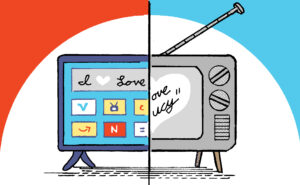
Change is hard for a company like Nielsen, which has been around so long it even predates the first publicly available television sets.

TV measurement is migrating from traditional sample-based systems to solutions built on big data. In other words, measuring TV audiences is becoming an incredibly complicated task, and almost no one knows that better than members of the Coalition for Innovative Media Measurement (CIMM).

It’s never been more complicated to buy TV ads than it is today. As a result, TV advertisers are rethinking how they want to use programmatic platforms.

HyphaMetrics Co-Founder President Joanna Drews is resuming the role of CEO after Chris Wilson stepped down late last week.

If the nonstop news coming out of Cannes Lions in France this week is making your head spin, this week’s newsletter dispatch will catch you up on how CTV is factoring into this year’s festival.

Streaming platforms won’t stop pumping out new shoppable ad formats and inking new partnerships with outcomes-based measurement providers. But it’s risky to hyperfocus on sales and purchases at the expense of brand advertising.

Enjoy this weekly comic strip from AdExchanger.com that highlights the digital advertising ecosystem …

Here’s today’s AdExchanger.com news round-up… Want it by email? Sign up here. Signaling Change Amazon has a new ad measurement product for publishers. Signal IQ, as it’s called, is designed to help sites measure the impact of alternative IDs on campaign performance, including for streaming media, Ad Age reports. The idea is to make it easier […]
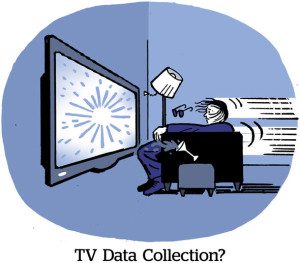
Now that alternative TV currencies have passed the initial sniff tests, how should buyers and sellers compare their viewership numbers? The leaders of Nielsen, Comscore, iSpot and VideoAmp gathered onstage during the Coalition of Innovative Media Measurement summit in New York City to answer that question.

Nielsen held a press briefing to reassert itself as the go-to TV measurement and currency company ahead of upfront negotiations. To back up its assertion, it shared a status update on its currency offerings and a comparison to its competitors.

The MRC and the broadcaster-backed joint industry committee released a joint statement to clarify the difference between them, which has been a charged topic ever since the JIC formed last year.

HyphaMetrics is integrating its own data with viewing data from measurement provider Samba TV as part of a new panel offering later this year. But make no mistake: HyphaMetrics is not trying to become a currency.

Aiming for one thing and being measured against another is absurd. But this is how the multibillion-dollar TV industry has operated for decades.

The ad industry’s lofty ambitions for alternative currencies has come back down to planet Earth. Alt currencies struggle to gain market share because most buyers and sellers still transact on Nielsen numbers, while audience panels are back on the measurement menu.

CES this year was a petri dish of news and gossip (and hopefully not COVID) among the CTV ad industry.

This was such a busy year in CTV land that we had to launch a dedicated newsletter just to keep up with all the trends, from measurement, currency, targeting and attribution to streaming data, identity, supply-path optimization and new ad formats – just to name a few.

The Media Rating Council has the same goals of promoting fair media measurement as it did when it formed in the ’60s. But it has had to polish its methodology to keep pace with change in the TV measurement space, says Ron Pinelli, the organization’s SVP of digital research and standards.

The TV industry still can’t agree on the point of panels. They’re a necessary resource for measurement, but there’s no consensus about how to actually build or use them.

When the MRC revoked its seal of approval for Nielsen’s TV ratings in 2021, it spurred a hunt for alternatives. Now, media and tech companies are debating whether MRC accreditation is even necessary.

Here’s today’s AdExchanger.com news round-up… Want it by email? Sign up here. Out Of Home, Out Of Mind? Data-driven out-of-home media hasn’t taken off, in part, because most buyers don’t see it as a channel for generating mass reach and conversions. But the fact that people don’t feel bombarded by ads in the world around them […]

The broadcaster-backed joint industry committee grants “conditional certification” to Comscore, VideoAmp and iSpot.

CTV advertisers are enamored of programmatic because of its digital-like ad targeting. But programmatic CTV is far from perfect and rife with fragmentation.

There isn’t going to be one single resolution to the measurement debate. The TV market will most likely end up with a hybrid model that includes everything from ACR and big data via smart TVs to, yes, much-maligned Nielsen-style panels.
Streaming is arguably the TV industry’s most powerful growth engine, but it’s still far from a mature business. Which is why programmers took ad tech off the backburner during their upfront presentations this year.