
Magnite Targets CTV, SMBs And Google's SSP Market Share
The SSP is betting on the DOJ’s antitrust remedies, plus closer relationships with agencies, DSPs and mid-sized advertisers, to help it eat some of Google’s lunch.

The SSP is betting on the DOJ’s antitrust remedies, plus closer relationships with agencies, DSPs and mid-sized advertisers, to help it eat some of Google’s lunch.

“I tried to write it so it’s not exclusively for ad tech nerds,” Ari Paparo told AdExchanger of his new book, about Google’s advertising dominance. “And I mean that affectionately.”

As the quality of answer engines improves, people will click through to publisher websites less often. The solution isn’t to wage war against AI. It’s time to build a sustainable future for all stakeholders.

While Reddit’s ad business is ascendent, it’s still working on a strategy for getting the most out of its generative AI deals.

X will begin scoring ads according to Elon Musk’s aesthetic preferences; what those Sydney Sweeney jeans ads say about how brands capture attention online; and a Google exploit lets sites be deleted from search results.

Google’s AI search tools are creating a paradox; Amazon pulled its Google ad budgets; and now’s a great time for indie commerce ad tech startups.
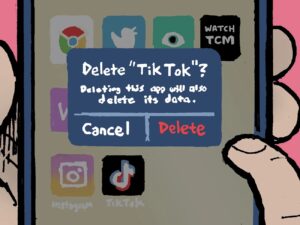
ChatGPT will google that for you; the Canadian TikTok shutdown gets real; and Elon’s crusage against media ratings organizations goes on.

Reddit is surging with advertiser demand; not everyone is Substack material; and Trump released his AI Action Plan.

Amazon acquires AI-equipped wearable manufacturer Bee; the UK’s CMA shares competition guidelines for Google and Apple; and AI models may be learning from each other in unexpected, potentially harmful, ways.

The web is hurting. Google is doing splendidly. Q2 was a “standout,” Alphabet CEO Sundar Pichai told investors on Tuesday, with “robust growth across the company.”
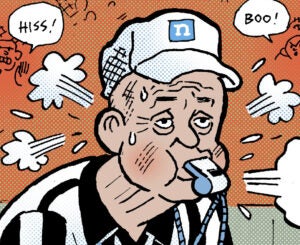
Netflix cracks Nielsen’s top 3 channels, but YouTube is still tops; CTV is maturing as a marketing channel, but it comes with zits; and Google rolls out another core update for search.
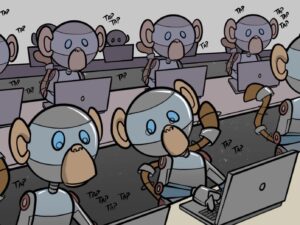
Social media companies are cutting the junk from their diet; Trump is trying to reshape American media; and selling ads is always the last resort.

The return of in-banner video has resulted in a deluge of cheap video supply flooding the open web, driving down CPM rates for dedicated video inventory and creating user experience and ad quality concerns.
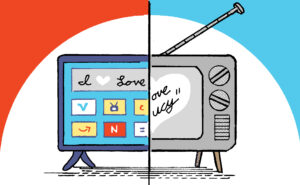
Nextdoor isn’t ruling out AI data licensing, but it has concerns; NBCU touts sports and streaming as drivers of its record Upfronts; and Scholastic follows kids and parents to YouTube.

Advertising restrictions on social platforms often flag keywords and images used in women’s health care ads, preventing those ads from reaching their target audience. There is a “gag order around women’s health care,” Caruso said.

AI Overviews makes dodgy product recommendations because it scrapes marketing copy; discrepancies in TV ratings hamper upfronts negotiations; and why mar tech companies are building software fortresses.

There’s no way around using an assortment of measurement methodologies, says Owen Bickford, the paid performance media director at Alaska Airlines. “I don’t think they can work in a vacuum.”
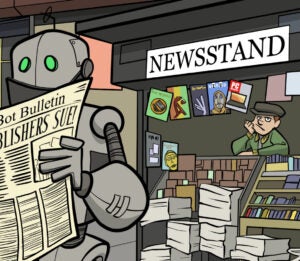
Google challenges Cloudflare’s anti-scraping tech; are dupes plagiarism?; and web traffic is careening off a cliff.

Measuring media quality is just the first step. A bigger challenge looms: assessing media quality against a marketer’s short-term and long-term goals.

Microsoft is deprioritizing ad tech; Google wants to get back into publishers’ good graces; and Meta has been quietly developing proactive chatbots.
Have agency holdcos put too many eggs in the AI basket?; Temu has come back to us now at the turn of the tariff tide; and Cloudflare wants to help sites from getting scraped.
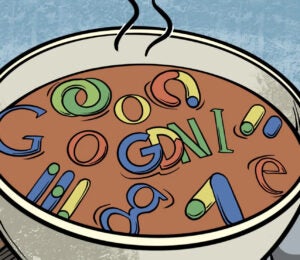
A recent Google DV360 Help Center update had some advertisers panicking that invalid impressions served through Google’s ad platform would soon double. But now Google says that’s not really the case.

Scammers have figured out about Reddit and Google Search’s licensing deal; Is affiliate marketing still a thing?; and AI companies consider creator micropayments.

What’s behind the drop in CTV CPMS; the UK CMA sets its antitrust sights on Google Search; and gen AI job cuts decimate another marketing department.

The FTC puts some odd stipulations on Omnicom-IPG; influencer marketing is the new normal; Google is cutting its smart TV group.

YouTube finds new ways to crack down in ad-blockers; the Better Business Bureau takes swipes at AI marketing; and Gen Z only trusts digital-native brands.

Google released a proposal for a Chrome feature called script blocking as part of a broader effort to mitigate API misuse for broader reidentification. In short: It’s a crackdown on fingerprinting in Incognito mode.
AI-generated mystery pages are appearing on brand sites; Amazon Prime Video doubles its ad load; and bipartisan efforts to protect kids online get a new partisan focus under the Trump admin.
Mark Read is exiting WPP at the end of the year; the CEO of DeepMind is important, we swear; Google’s major SEO swings have changed the game.

Can the IAB Tech Lab’s Trusted Server initiative really help restore publishers’ ownership of monetization and wrestle back control from Big Tech and walled gardens?