

When it comes to adoption of new programmatic standards, DSPs tend to be the trendsetters.
So here’s some good news for the IAB Tech Lab’s long-underutilized Data Transparency standard. Yahoo DSP announced today that it’s the first DSP to adopt the Tech Lab’s Data Transparency Labels.
Yahoo’s endorsement could be just the thing to drive further adoption of these data labels throughout the programmatic ecosystem after years of inaction, IAB Tech Lab CEO Anthony Katsur told AdExchanger.

Why adopt IAB Tech Lab’s Data Transparency Labels?
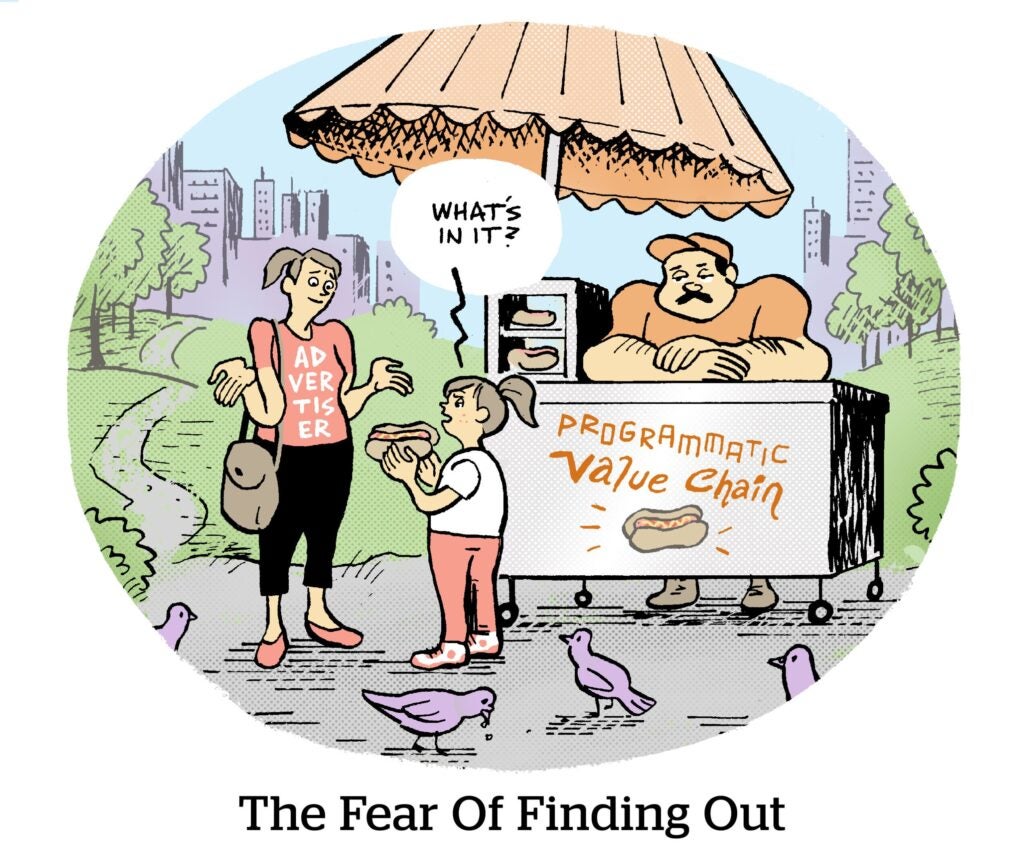
The Tech Lab first released its new model for data transparency back in 2019. To support this standard, it also released a method for documenting how audience segments are built and what data they contain – programmatic advertising’s version of the nutrition labels that list ingredients in food products.
But adoption of the Data Transparency Labels has been lagging among DSPs, SSPs, data brokers and data management platforms (DMPs), Katsur said. Which is “a travesty,” he added, because the industry’s data transparency and governance challenges are only getting more complicated.
For example, questions of data quality are motivating the curation trend that’s reshaping the industry, Katsur said.
Indeed, both the IAB Tech Lab and Yahoo see these labels as central to their curation offerings. And by adopting the labels, Yahoo DSP, which announced new curation partnerships earlier this month, is pushing back against the idea that curation has shifted to the supply side, said Giovanni Gardelli, VP of ads data products at Yahoo.
Katsur also pointed to growing scrutiny of data governance by regulators around the globe as a pressing issue that these labels can help advertisers address. From California and Brussels to India and the UK, regulators are emphasizing privacy compliance through data minimization, Katsur said.
But to practice sound data minimization, he said, advertisers and their data partners need to know what data they’re working with, how long to retain it, how to process it and – crucially – whether to process that data at all.
The state of shopping for audiences in 2025
The data labels provide signals that can help advertisers and data platforms make these decisions, Katsur said. For example, for an audience of new homeowners, the labels would describe how this audience was built, what signals went into determining whether a person recently bought a house, how recently the data was gathered and how often it’s refreshed. All this information is audited by the IAB Tech Lab.
And for intent-based audiences, the data labels provide information about the lookback windows during which the data was gathered, Gardelli said. Having this information lets advertisers make smarter choices about what audiences to apply to their campaigns based on how long audiences typically take to make purchase decisions.
For example, it would make sense for an auto-intender audience to have a lookback window of multiple months, since people usually deliberate for long periods of time before a new car purchase, Gardelli said. Whereas other advertising verticals with shorter consideration cycles, like travel or consumer goods, may want to focus on audiences with shorter lookback windows.
Without the data labels, audience segments typically only provide a general description of the audience alongside pricing information, Gardelli added.
“Imagine going to the supermarket, and you can only see the product names and prices when you’re trying to fill your cart, but you have no idea about the ingredients, the quantities, the calories, the nutritional values,” he said. “That’s the state of shopping for audiences in 2025.”
Driving adoption from data brokers, DMPs and SSPs
Yahoo is still working on exactly how it will apply the data labels within its DSP workflow. But the company envisions making it “as simple as asking a question, and not ultimately having to select a bunch of filters and configure a bunch of rules,” Gardelli said.
For now, the more pressing concern is getting Yahoo’s data partners – including third-party data brokers, DMPs and SSPs – to likewise adopt and pass the data labels, Gardelli said. Yahoo expects to have made significant progress on this front by the end of the quarter, he said.
That pitch may be more compelling coming from a DSP these companies regularly do business with, rather than an industry group like the IAB Tech Lab.
“The fact that a major DSP like Yahoo is now enabling this in their platform,” Katsur said, “is a huge step forward to supporting adoption.”







