

Opera Ads, the online ad platform launched by Norwegian browser maker Opera in 2019, is serving up some self-serve.
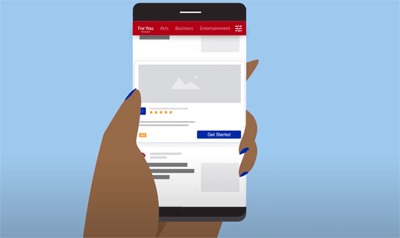
On Wednesday, Opera launched Opera Ad Manager, a self-serve ad platform to buy inventory on Opera News (not to be confused with a publication of the same name about the actual opera) that doesn’t use third-party cookies.
The Opera browser accounts for 2% of browser market share, according to Statcounter. On a monthly basis, the Opera browser and news apps reach more than 300 million active users, as in people who actively choose to use Opera products rather than the ones that appear by default on their devices, according to Per Wetterdal, EVP of commercial at Opera.
Opera News feed inventory appears in multiple Opera apps, including the Opera Mini browser app for Android and the stand-alone Opera News mobile app, which aggregates news from international, US and local sources and personalizes the feed based on trending topics, language and categories of interest.
But users only see ads when they’re engaging with the news content feed and not when they’re browsing the web, Wetterdal said.
Advertisers could already buy ads on the Opera News feed as a managed service.

In addition to the managed service offering and its new self-serve ad network sibling, Opera Ads also has a demand-side platform and sell-side platform that provides direct access to its own products – the Opera News app, Opera Mini and the main Opera browser – but, again, only within the Opera News feed.
The plan to introduce self-serve access to its ad network was mainly driven by demand from small and medium-sized enterprises (SME), Wetterdal said.
“Digital advertising is a key promotional channel for SMEs,” he said, “so it is important that we offer this very fast-growing segment the necessary tools to connect with our audience.”
Although Opera Ad Manager allows advertisers to target by placement, self-identified user interests, demographics, device type and country/region, third-party cookie targeting is off the table. This is also the case across Opera Ads more broadly, Wetterdal said.
Probably a good choice considering how the wind is blowing.
Advertisers can’t target ads using their own first-party data through the self-service platform, although that is a managed service option.
The Opera Ad Manager technology is being powered by DanAds, a Swedish company that builds customizable self-serve ad platforms for publishers, including Bloomberg Media Group, Tripadvisor, Roku and Hearst Magazines.
Opera decided to go the white label route rather than build in house because it wanted to get started as fast as possible.
“We made a strategic move to work alongside a proven platform that can scale from day one,” Wetterdal said.
Because you’ve gotta strike when the iron is hot, and digital advertising has been experiencing hockey stick growth.
During Opera’s second quarter earnings call in August, the company said that Opera Ads is on track to hit $80 million in full year 2021 revenue, a 50% increase in its daily revenue run rate for the year.
Opera began trading on the NASDAQ in 2018 after it was sold by parent company Opera Software (now Otello Corporation) to a consortium of Chinese investors two years before that.
But Opera Ads is not to be confused with Opera Mediaworks, which remained as a subsidiary of Otello Corp.
Opera Mediaworks was rebranded as AdColony in 2016, the same year as the China sale. In February of this year, Digital Turbine bought AdColony for $400 million.
[Drinking game idea: Take a sip for every time the word “Opera” appears in this article. You will be drunk.]







