

Although TikTok gets lumped in with Facebook, Instagram and Snap, et al., it doesn’t consider itself to be a social media platform.
And that’s because its users are typically there to binge short-form video content and be entertained rather than connect with people they already know.
TikTok users spend an average of 90 minutes a day watching videos on the platform.
But TikTok does have one crucial thing in common with just about every social media platform out there: the need to attract and retain creators.
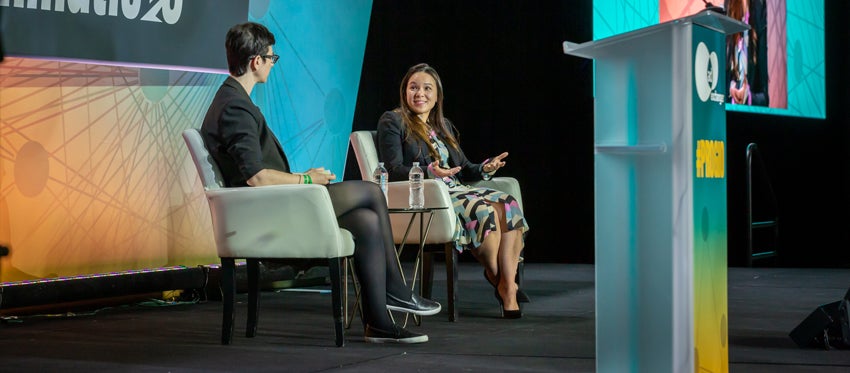
“Creators are the lifeblood of our platform,” said Melissa Yang, TikTok’s head of ecosystem partnerships, speaking at AdExchanger’s Programmatic I/O conference earlier this week. “Almost all the content on TikTok is produced by creators.”
And there’s no lack of addictive and often viral content on TikTok.

Brands, meet creators
Because of its user base, TikTok is in a prime position to facilitate deals between marketers and influencers. Brands want to reach younger, “video native” audiences, and creators generally want to get paid.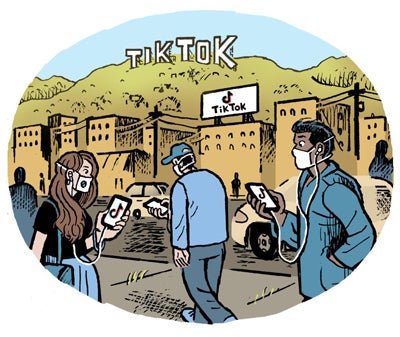
The challenge is making sure branded content feels native to the platform.
In late 2019, TikTok launched its Creator Marketplace along with an API that helps brands find and pay influencers directly through the app. The API also gives TikTok’s partners – such as influencer marketing solution providers, agencies and brands – access to first-party data, including growth trends, demographic information and engagement metrics.
Brands can use this data to identify influencers that meet their needs or upload RFPs to lay out exactly what they’re looking for in a creator partner.
For creators, the process is a bit like applying for a job, but cool.
Need more context
But TikTok has to do more than just matchmake between brands and creators.
Brands need to be comfortable about the contexts in which their content appears.
Earlier this month, TikTok announced plans to start testing a tool called TikTok Pulse in June, which curates the top 4% of trending content and videos in particular verticals, such as gaming, fashion and cooking, so brands can be adjacent to the most popular content on the platform.
“This makes it possible for brands to be immersed within top trends and for high-profile content creators to monetize,” Yang said.
By the same token, marketers can choose to avoid that content if it doesn’t feel suitable for their brand.
Viral nation
Sometimes, though, organic content about a brand goes viral. Just look at what happened with Ocean Spray and the Gap.
And, in some cases, brands have even created new products based on viral TikTok trends.
For example, when Kraft Heinz noticed a snacking craze trending on TikTok – people dipping their burgers into different sauce and chip combinations – the brand “got involved in the conversation,” Yang said.
Kraft Heinz actually produced and launched a new snack product last month based on the trend.
“It was a vital kind of dialogue and product development process that really engaged the community,” Yang said. “This was a trend that was already existing on the platform.”
Attention shoppers
But what’s the point of new products without an easy way for users to purchase them online?
Shopping on TikTok is on the uptick.
“Commerce activity is a big area for us where we’re continuing to invest and expecting a lot of growth,” Yang said. “There’s a lot of conversation and a big community on TikTok talking about shopping.”
The hashtag #TikTokMadeMeBuyIt, for example, is up to roughly 11 billion views.
Kraft Heinz’s success story on TikTok highlights a new wave of innovation among consumer packaged goods (CPG) companies in general.
CPGs are in the midst of a “dramatic transformation” in rethinking and restructuring their media plans, said April Carlisle, EVP of commerce at Publicis-owned Spark Foundry, also speaking at Programmatic I/O.
Although CPG brands have a legacy of spending money with retailers on traditional media, like circulars – “they were slow movers to programmatic,” Carlisle said – CPG is now the “fastest moving” vertical breaking into ecommerce.
Grocery chains are looking to compete and attract ad dollars by launching retail media networks.
But CPGs and retailers are also embracing platforms like TikTok, said Michele DeVine, SVP of programmatic and client partnerships at BuzzFeed.
“Grocers have been … leaned in to where they’re reaching their customers,” DeVine said, “especially when it comes to TikTok and shoppable video.”






