 Ad tech vendors are clicking “add to cart” on first-party retailer data.
As brands and retailers grow more comfortable sharing first-party data, shopper marketing budgets – traditionally spent on last-leg marketing efforts like high-performing shelf space, in-store signage, coupon circulars and co-marketing (“Find us at your nearest…”) – are moving online.
“Merchants are talking to me more and more about mixing online media dollars with shopper marketing,” said Preston Lane, marketing coordinator at Tennessee-based retail chain Electronic Express.
Both Walmart and Target apply first-party data to inform media buys, and multiple product brand marketers who use Target’s Guest Access platform told AdExchanger earlier this year that they’ve begun bundling the media with shopper marketing, despite it being a programmatic buy.
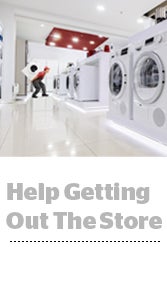
But for smaller or regional retailers, it’s often a big-name manufacturer with data of its own that enables digital data-sharing. Electronic Express, for example, saw a more than 10% jump in online orders and revenue when targeting against Whirlpool-owned home appliance brand Maytag’s data for a month-long campaign in May.

Maytag ran a heavy brand campaign as part of a May special, which drove traffic to its owned properties. The problem is, people don’t often buy from Maytag’s websites or social feeds.
So Maytag makes that data available to Electronic Express via OwnerIQ, an ad tech business that commingles brand and retail data for retargeting. Although Maytag isn’t monetizing the data, all the ads are matched to Maytag site visitors and feature the brand’s product. Visitors identified as in-market shoppers are pushed to a place where sales can happen.
“Once you get to our stage in the funnel, we’re talking to people who are already shopping,” said Alexandra Schmitt, associate brand manager for shopper marketing at Whirlpool. “We like independent retailers representing our brand in their markets.”
Over the past couple of years, Electronic Express’s marketing has switched from driving people to stores in order to engage with a brick-and-mortar brand – and expecting that connection to generate traction online – to directing people to a website with the hope of making a store visit more likely later on.
“There definitely is a leaning among merchants to work and spend more together on digital,” Lane said.
And being able to share audience targets and first-party data is one of the primary ways in which retailers and brands can capitalize on the value driven by up-funnel campaigns.
“The brand campaign is typically where the marketing dollars are working hardest in terms of generating awareness,” Schmitt said. “But we always like to use the halo of what a brand campaign is doing wherever we can at the shopper level.”