

 When asked what the mobile exchange environment looks like in China right now, PapayaMobile co-founder and CEO Si Shen said, “I haven’t seen too many private exchanges. … Then again, I don’t see much in the way of open exchanges, either.”
But that’s because RTB is still brand spanking new. PapayaMobile subsidiary AppFlood — whose top competitors include inMobi and China-based mobile DSP Avazu — launched China’s first mobile RTB platform back in April. As AdExchanger reported at the time, AppFlood’s goal is to be a sort of global RTB bridge that connects the East with the West.
AdExchanger caught up with Google vet Shen to talk RTB, app monetization and why Google doesn’t seem to be all that bothered about Chinese demand-side platforms.

ADEXCHANGER: First off, give me a quick thumbnail sketch on AppFlood.
SI SHEN: We run both a DSP and an ad exchange on mobile. Our DSP talks to Google’s DoubleClick and [Chinese search engine] Baidu to bid on supply-side both inside and outside of China. We’re still trying to see what kind of supply we can get in China. Budget from China is going overseas and growing very rapidly. Advertisers use our DSP in China to get traffic from outside of China. We have about 600 million daily impressions on our DSP. Our eCPM is around about 40 cents. We have offices in the US And Europe and we’re connected to about 20 supply-side platforms there with more coming.
What do US advertisers need to know about the mobile supply side in China?
In the West you can see a fairly mature market. A lot of SSPs there are focused on mobile; for example, Google’s DoubleClick and MoPub.
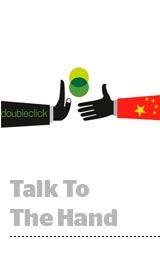
But in China there aren’t all that many supply-side platforms focused on mobile yet. DoubleClick has sizable traffic on mobile, but because their business is so big and they’re connected to so many DSPs already, it’s actually hard for Chinese DSPs to get connected to DoubleClick. RTB is still young in China and Chinese DSPs need to overcome their technical issues in terms of integration before they can get connected to DoubleClick.
Why is that?
The Chinese DSPs, are still in a very early stage in terms of technology integration, so it might take Google a long time to educate the Chinese DSPs on how to do this. The market is still very early. As of now, Google is the largest supply-side provider of mobile traffic in China, but it’s really just opening up. For example, the majority of Baidu’s RTB supply side traffic is long tail.
Who else in on the scene other than DoubleClick?
The other big provider is [China-based mobile ad exchange] AdsMogo, but their traffic is not even comparable to Google. It’s mostly Chinese traffic coming from foreign platforms. We connect to a lot of premium platforms and foreign platforms and see that about 10% or 15% of users are actually from China, although we found that those platforms aren’t really utilizing that traffic very well. We collect that Chinese traffic for supply-side platforms.
Is China on the cusp of change?
The coming year is going to be the year where the mobile RTB market grows very fast. More mature DSPs from the web will come to mobile. In terms of supply-side platforms, there will be more non-RTB ad networks that will turn RTB. The market is going to mature very quickly.
How can US developers get in on the action?
RTB is still early in China, but they can always use DoubleClick. That’s probably the fastest way to access traffic in China. But the Chinese mobile ecosystem is quite different. For example, if you have a game and you want to access the Chinese market and only buy traffic from RTB or other ad sources, that’s not good enough. As a game you’ll have to build a relationship with the carrier.
[Note: Until recently, developers looking to monetize their apps in the Chinese market were stymied by fraud, piracy and a confusing array of local Android app stores. Establishing direct billing partnerships with regional wireless carriers like China Mobile, China Telecom and China Unicom removes that friction. Read more at Wired.]
That’s because Google Play isn’t popular, despite Android being the device of choice in China?
You could use Google Play, but the penetration is small in China, which makes it difficult to charge people. If you use other local app stores, the conversion rate in terms of people paying is really low because the local stores don’t integrate their SDK and users have to go through a complicated process to enter their credit card information. People either don’t want to enter their credit card information on their phone or a lot of people actually don’t even have credit cards.
The only reliable way for any apps to charge users in-app is to provide carrier billing, and to do that you need to work with a local company. If a game outside of China wants to enter China, they need to partner with a Chinese agency and publish their games here.








