By Bennie Smith, VP Exchange Operations/Platform Policy at Yahoo!
 Online advertising in the age of media fragmentation does not have to be like a box of chocolates. Both advertisers and publishers should know exactly what they are going to get with every ad impression.
Ad exchanges have played a crucial role in making this possible – by running transparent, fair, and open platforms that have enabled targeted and efficient media buying in the highly-fragmented and ever-expanding media universe. However, the benefits of seamless transactions in an open ecosystem can quickly be eroded (along with your brand equity), if appropriate controls are not put into place.
Threats to the online advertising ecosystem include harmful ad and Web site content, spyware, traffic quality and the emerging and rapidly evolving threat of malvertising (the delivery of malicious code or software via Internet advertisements). These threats have the potential to cause significant harm to all the primary stakeholders in the online advertising ecosystem. Advertisers face the risk of brand erosion and publishers can face user attrition, loss of revenue and public relations risks. Ultimately, consumers are exposed to harmful content and privacy and security risks.

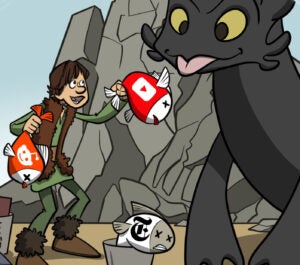
In light of these risks, Right Media remains committed to helping its customers do business in an open ecosystem with greater transparency and control. These issues are not unique to us, but impact the Internet as a whole. In fact, recent malvertising incidents at New York Times and Gawker.com were direct buys and have illustrated the need for every stakeholder in the online advertising value chain to work equally hard and collaborate with each other to address these growing threats.
Our continued investment in protective measures and the implementation of innovative mechanisms are helping Right Media protect participants in the exchange ecosystem from potential harm. For example; in response to new malvertising threats that were observed this year, we made some enhancements to our Creative Tester tool that help us detect and ban creatives that load non-standard file types that can install malicious code by exploiting security vulnerabilities in standard applications that open such file formats; contain an automatic page redirect that is non user-initiated and also identify ads that triggers click streams or click activity without any user interaction. In addition, we continue to educate our customer base about Right Media Exchange tools and policies and how customers can work to prevent the introduction of harmful content, viruses and other malicious code into our ecosystem. By implementing their own controls and being more diligent about whom they do business with, we can work together to preserve our vibrant and secure marketplace.
We hope that everyone in the industry is working equally hard to strike this delicate balance between openness and control. Not only can this balancing act protect the industry and consumers from harm, but in the long run, it can also play a crucial role in helping the online advertising industry confidently meet the evolving media fragmentation challenges that lie ahead.