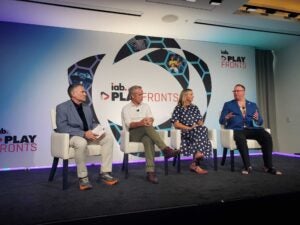
Meet Evertune, A Gen-AI Analytics Startup Founded By Trade Desk Vets
Meet Evertune AI, a startup that helps advertisers understand how their brands and products appear in generative AI search responses.
Can Netflix do live programming? Plus, efficiency gains from generative AI are causing some ad agencies to rethink how they bill clients.
One priority for Republicans once Donald Trump is back in the White House is to reduce regulation and, specifically, to replace FTC Chair Lina Khan. Plus, Microsoft Bing has a new claim to relevance.
Opera Ads – the online ad platform Opera released in 2019 – doesn’t use third-party cookies for targeting. Opera monetizes its browser using other signals, including search intent and context.
A Google breakup could lead to a more fragmented market, with multiple smaller entities competing for ad space. This will almost certainly result in increased competition and higher ad rates for publishers.
Walmart’s latest data play: an app for unlocking barricades on store shelves; training generative AI may rely more on scraping big-name sites than previously thought; and tracking the issues that mattered most to Trump and Harris, based on ad spending.
When banner ads were introduced in 1994, pundits proclaimed that this new approach to advertising was going to ruin the world wide web and kill creativity as we know it. Others were worried about their jobs. Sound familiar?
Google holds court with bloggers bumped from its search algorithm; a backlash is brewing as the online recommendation engine goes into overdrive; and X pushes conservative politics to accounts with nonpartisan interests.
Meta’s capex in 2024 will clock in somewhere between $38 billion and $40 billion, roughly $1 billion more than previously anticipated. Where’s most of that money going? AI, of course.
Ad revenue grew 56% YOY even without some of Reddit’s shiny new ad products, including generative AI creative tools and in-comment ads, being fully integrated into its platform.
On Tuesday, self-serve CTV platform Vibe.co announced its new suite of four different AI-powered features, including a video ad generator.
NCIS: Ad Tech takes off as Washington zeroes in on Adalytics reports; Kroger says attention has yet to prove correlation to performance; and inside California’s backroom deal with Google to fund journalism and AI.
Meta is testing several new generative AI tools, including one that can animate static images and turn them into full-blown video ads.
On Monday, Pixability announced the launch of a product called GenAI Contextual Segments (CGS), with a goal to reach specific audiences across a wider range of YouTube content.
Omar Tawakol is a serial entrepreneur. He sold two companies in five years, including BlueKai to Oracle in 2014. But he’s in no rush with his new virtual product placement startup Rembrand. He says he’s having too much fun. Plus: Meditating on the end of Oracle Advertising.
Oracle’s advertising and third-party data businesses are officially kaput; political pollsters are abandoning misleading online data; and AI-generated slop is already overtaking the internet.
As we lean heavily on AI tools to enhance content efficiency, we may have reached a tipping point where we are creating more content in service of media algorithms, rather than for the benefit of consumers and brands.
If Adam Heimlich could travel back in time to alter the future of online advertising, he would go to Google’s acquisition of DoubleClick in 2007, but not necessarily to stop it.
Albert Thompson, a buy-side veteran with 20+ years of experience, weighs in on attention metrics, the value of MFA sites, brand safety backlash and how publishers can improve their inventory.
In typical data analysis, you need to know what you’re looking for before starting. But deep learning models can reveal links between cause and effect regardless of whether anyone would think to look for them.
Many marketers are eager to learn what generative artificial intelligence products can do for their brands. But before everyone gets too preoccupied with “could,” the Brandtech Group believes it’s time to consider the “should.”
If attention is treated like viewability 2.0, high or low attention could become a blanket requirement for a campaign and hinder performance.
Inside a cloaking scam that funneled ad spend to piracy websites. Then: your AI agency assistant is here, and it’s ready to build your media plan.
As AI eases one process, it creates new concerns around data privacy. And with more regulations like California’s AI safety bill surely coming soon, marketers need to stay on top of their ethics game.
While you may have been making strides in diversity, equity and inclusion, your AI journey has the power to derail and undermine your actions.
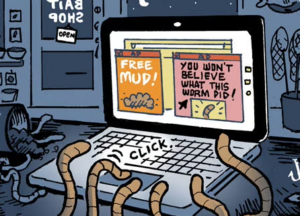
With political ads flooding every channel, how can brands remain relevant and connect with their audience without adding to the noise?
These days it seems like there’s an AI tool for everything. Now there’s even an AI tool to manage your AI tools.
Publishers are in the business of selling their readers’ attention to advertisers. But in response to consumer preferences and regulatory pressure, publishers should reposition themselves as champions of data dignity.
In today’s newsletter: Google gets hit with another glitch; influencers fight gen AI provisions in their advertising contracts; and political fundraising pivots as social media bars campaign ads.
Instead of erasing the idea of brand safety, we should be developing smarter, more nuanced solutions that protect both news publishers and advertisers.