

In October, Anagram spun off from programmatic platform Digilant and relaunched as a full-service media agency. Since then, it’s set its sights on serving the little guys.
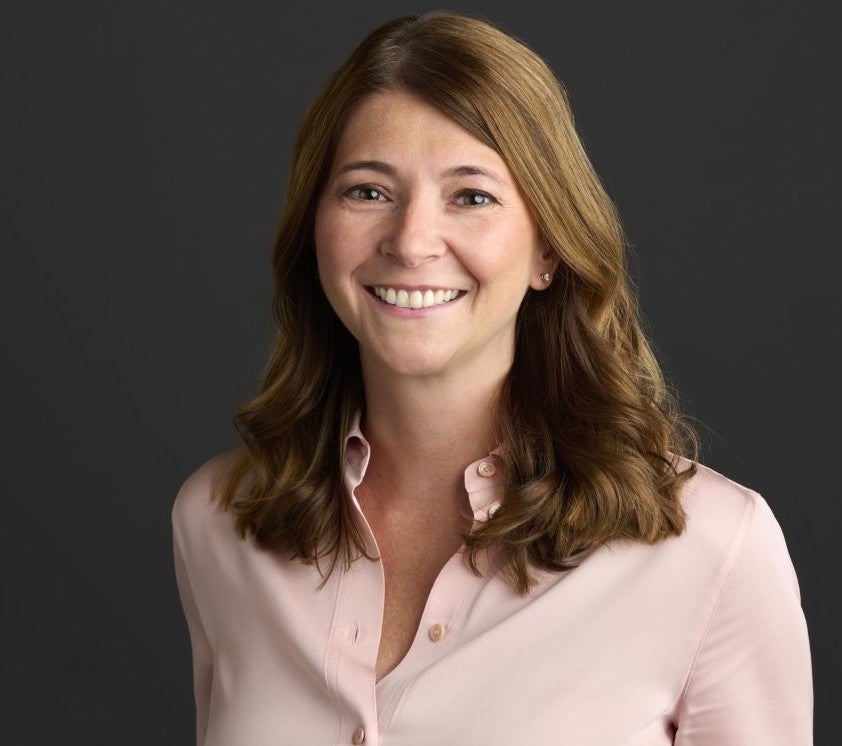
The big holding companies often consider midmarket brands to be too small to pay attention to. Most holdco agencies “don’t get out of bed for less than $100 million a day,” said Keisha Andrews, Anagram’s new VP and head of media.
“We want to democratize that process, because midmarket brands deserve that, too,” Andrews said. “We’re excited to find those relationships and grow them.”
Anagram started out as an independent programmatic-focused consultancy in 2015 before ISPD-owned Digilant acquired the company in 2017. A growing demand for agency services spurred Anagram’s relaunch.
Although Anagram now operates as a separate entity, it can still tap into resources from Digilant and the other companies within parent company ISPD’s portfolio, such as operations, finance, HR and data intelligence tools.

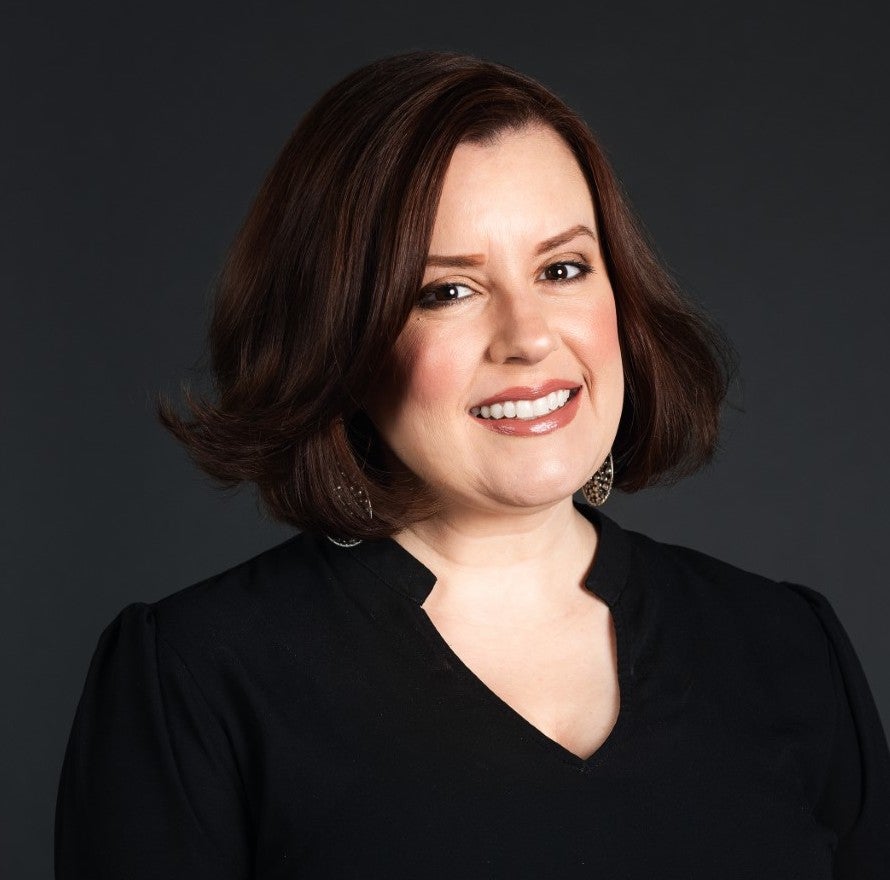
A small group of industry veterans sit at Anagram’s helm. Everyone on its leadership team has 20-plus years of experience, said Kristen Abramo, the agency’s managing director, who previously spent time at Havas, Moxie and Spark Foundry working for clients such as P&G and L’Oréal.
The plan is to bring that experience to bear on omnichannel growth strategies for smaller clients.
“[We] have a full perspective of what works in a media agency and what might not,” said Andrews, who’s done work for AT&T, Bacardi, Lego and Heinz across multiple agencies, including Starcom and cultural branding shop LatinWorks.
Thinking fast and slow about media
Anagram positions itself as a “soup to nuts” agency that houses strategy, consumer insights and performance under one roof, Andrews said, which is helpful for busy clients.
But bringing multiple services together under one roof also helps a smaller agency like Anagram operate more efficiently and be more collaborative, Abramo said.
“The way we see it is, you’re not the media team, you’re not the strategy team, you’re not the analytics team; you’re team client A, team client B,” Abramo said. “Some people do cross over into multiple clients, but it’s a mindset of OK, I work on this account. What do I need to do for this account? That’s the sort of mentality we like the team to have.”
Taking a comprehensive approach to media blurs the lines between performance and branding – in a good way.
Even if a client is totally focused on performance goals, there’s always got to be some element of branding, too, Abramo said.
“If you solely rely on performance, eventually it won’t be as impactful, it won’t be as effective, it won’t be as efficient,” she said.
It’s easy for marketers to “get hooked on performance only” because of the immediate, tangible results, Andrews said, but everyone eventually hits what she refers to as the “performance plateau.”
Although branding can feel a bit “nebulous,” she said, it’s an integral part of growing a business over the long term.
For example, it’s important to be able to shift rapidly between brand and performance tactics based on seasonality or what competitors are up to.
And when, for instance, campaigns have a greater brand awareness component and longer-term KPIs, programmatic is just one ingredient in the overall media plan.
“Writing a media plan is not something that is done at one point in time, because humans change every day,” Andrews said. “We look at our media plans fluidly.”
Although Anagram has expanded beyond its programmatic origins, Andrews said, programmatic is still “a piece of the media mix” and “always in the consideration set.”








