Here’s today’s AdExchanger.com news round-up… Want it by email? Sign up here.
Wind In DTC’s Sails
Procter & Gamble’s acquisition of Billie, a shaving and body care startup focused on women, has given a boost to the DTC entrepreneur and investor community. Terms of the deal were not disclosed, so it’s unclear if it even was a “win” in terms of the return on Billie’s $35 million venture capital investment. Still, “the sentiment in the VC market around the exit potential for DTC companies has soured, so this is a very positive signal,” Andrea Hippeau, a principal at venture fund Lerer Hippeau, told Ad Age. Many DTC startups nibbled away at traditional brand market share but haven’t figured out sustainable profitability. P&G could do that for Billie, the startup’s co-founder, Georgina Gooley, said in a press release. “Their ability to create global household brands that have stood the test of time is a testament to their brand-building expertise.” More.
Stores Of Value
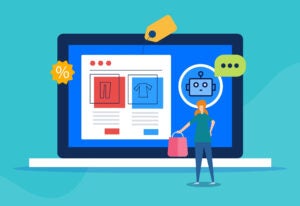
Microsoft is expanding its retail product suite with a new site and app search service and a campaign measurement tool. Microsoft is a distant third to Amazon and Google in terms of shopper searches and sponsored product ads, Business Insider reports. And the market has tightened because the largest retailers – Walmart, Target and eBay – have their own cloud-based ad platforms. But it’s an appealing category for Microsoft, since many retailers won’t use Amazon Web Services due to competitive conflicts. Locking down retail deals could kickstart Microsoft’s ad revenue, as shopper marketing budgets move online and more digital campaigns are attributed based on store sales. “Our intention is to make [retailers] more powerful rather than displacing them,” said Rik van der Kooi, corporate VP of Microsoft Advertising. “It’s not about who we’re competing with but about how we enable retailers to compete with the largest retailers out there.” More.

Quick Bite
Quibi is starting to lay out its game plan – two years after the company was founded and with four months to go before the service launches in April. Quibi will cost $4.99 per month with ads or $7.99 for an ad-free version, CEO Meg Whitman said at CES. The company hopes to distinguish its service from the rest of the overcrowded streaming content market with its focus on short-form content (“Quibi” is a portmanteau of “quick bites”), with a mix of food, sports, episodic shows and news. Quibi also announced a major deal with Google as its cloud infrastructure, CNBC reports. And, speculatively, a Google Cloud deal could lead to Google ad monetization. Disney was a blue-chip Google Cloud customer before it switched from Comcast’s FreeWheel ad server to the Google ad stack. More.
But Wait, There’s More
- Alphabet Nears $1T Value On Rising Ad Growth Optimism – Bloomberg
- Dun & Bradstreet Acquires Orb Intelligence – release
- Warner Bros. Signs With AI-Driven Film Management System – The Hollywood Reporter
- Mobile Search Ad Performance Plays Catch-Up – eMarketer
- As Publishers Pivot To Paid, Newsrooms Focus On Sales – Digiday
- Merkle Launches Retail Solution With Google Marketing Platform, Ad Manager – release
- Verizon To Drop Cable Bundles And Ease Changes To TV Packages – WSJ
You’re Hired
- Jenny Buchholz Joins Captivate As CFO – release
- Forbes Appoints Chief Product And Chief Technology Officers – release
- Lululemon Names Nikki Neuburger Chief Brand Officer – Adweek
- SpotX Promotes Execs To COO And Chief People Officer – release
- The Media Kitchen Taps Alec Troxell As Director Of Biz Dev & Marketing – MediaPost
- Verizon Media Announces Rathi Murthy As CTO – release