
The IAB Tech Lab Isn’t Pulling Any Punches In The Fight Against AI Scraping
IAB Tech Lab CEO Anthony Katsur didn’t mince his words when declaring unauthorized generative AI scraping of publisher content “theft, full stop.”
IAB Tech Lab CEO Anthony Katsur didn’t mince his words when declaring unauthorized generative AI scraping of publisher content “theft, full stop.”

The Trade Desk makes the S&P 500, triggering a stock price rebound; Estée Lauder is the latest big legacy brand to embrace influencers; and CMOs are trying to measure their return on AI, but it’s tricky.

The IAB Tech Lab’s new initiative suggests regulations for how AI bots can access content, ensuring that publishers are fairly compensated.

Hearst has seen improvements in addressability between 30% and 200% since introducing AURA, its AI-powered ad targeting solution, last year.

On Wednesday, AI-powered audio intelligence platform Sounder launched a new version of its brand suitability and contextual targeting tool for podcasts that can understand the nuances of Spanish-language audio content.

AI app marketplace Dappier ensures that chatbot responses using Benzinga’s data link back to the original source, and it also shares revenue from ads placed in these responses.

Angelina Eng, a 30-year industry veteran who serves as the IAB’s vice president of measurement, addressability and data center, has been swimming in the ocean of digital advertising from the very beginning.
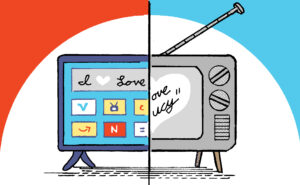
Now that all the dust and confetti has settled after the upfronts, negotiations between marketers, agencies, networks and streamers are only just getting started.
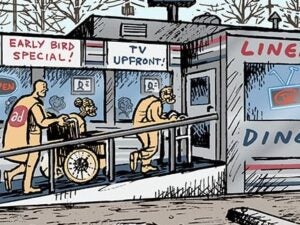
Ever since 2020, TV upfront rates have declined; inconsistent metrics mean inaccurate results; plus, Roblox is touting its strong hold on its viewers’ (er, gamers’) attention.
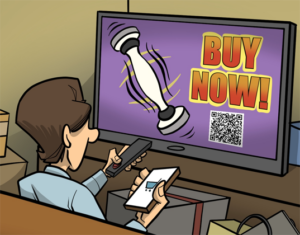
Instead of simply watching ads on the big screen, consumers are now being encouraged to interact with those ads – a shift in marketing that was particularly apparent at the 2025 NewFronts presentations in New York City this week.
AI is being embedded in tools, tagged in decks and tossed into internal sprints. But for agencies, publishers, brands and platforms, there’s still no shared definition of success.
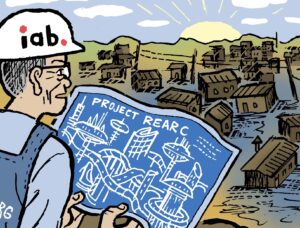
Earlier this year, Pinterest conducted reviews of five potential ad tech acquisitions. Plus, what do LLMs think is the best retail media tech for retailers, and why?

Many well-intentioned advertising standards efforts gather digital dust thanks to industry politics and competing interests. Here’s how the industry can stop sabotaging its own progress.

CTV advertising has made great strides, but it still lags behind social platforms in one critical area: optimizing campaigns based on outcome data. Here’s how standardized conversion API integrations for CTV can help.

While advertisers’ interest in gaming may be growing, their spending commitments seem stuck on pause, judging by Tuesday’s IAB PlayFronts event.

It’s difficult for advertisers to enter into contracts with every company to which they disclose personal information. However, difficulty is no longer an acceptable excuse.
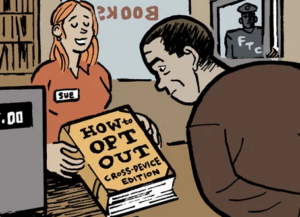
Why should establishing consumer trust be a differentiator – and wouldn’t it be great if that was just every company’s MO?

What exactly are joint business partnerships? Plus, AI chatbot responses may be susceptible to Russian propaganda.

The IAB predicts what privacy laws might be passed by the new congress; AI-generated newsletters are competing with local news; and the IAB Tech Lab ramps up production of new OpenRTB specs.

Sen. Ron Wyden shared his stance on a federal privacy law, consumer data brokers and, for good measure, his thoughts on Meta CEO Mark Zuckerberg cozying up to President Trump. (“I thought it was god awful,” he said.)
AI-generated slop content is growing exponentially online. Plus, publishers and new organizations are strategizing for a post-TikTok future.

The IAB gave us new retail media standards for Christmas. But will the industry actually adopt them? Plus: how AI will be used in advertising in 2025.

The in-game advertising market’s stagnation is both unsurprising and frustrating. The onus is on the gaming industry to make gaming an essential channel for advertisers, rather than a nice-to-have.
Brands’ relentless drive for efficiency in media spending has far-reaching consequences that have significantly reshaped the industry and perpetuated longstanding issues with media quality.

The deal is a “platform investment,” in which Inverness Graham sees Alliant as a foundation to build on, potentially through further acquisitions.
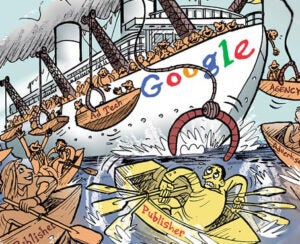
Retracing DPG Media’s journey to disentangle itself from the influence of Google’s ad platform and compete for direct ad budgets.
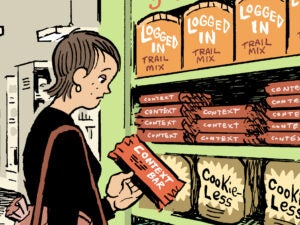
Adelaide may become the first vendor to receive accreditation for an attention metric. Plus, the IAB is leading a lawsuit against the FTC.

Freestar adopted a new approach to curation developed by Audigent that gives buyers a priority lane to publisher inventory with higher viewability and attention scores than most open-auction inventory.
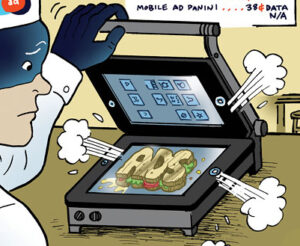
Outbrain is trying to shed its chumbox rep by bringing social media-style vertical video to mobile publishers on the open web.

During certain periods this year, advertisers blocked more than 40% of The Washington Post’s inventory over brand safety concerns.