

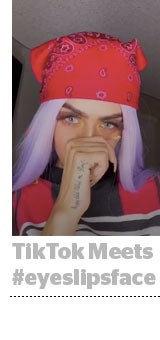
If TikTok is still proving its value as a marketing platform, despite skyrocketing popularity among Gen Z, it got a huge boost in October when the cosmetics company e.l.f. ran a sponsored hashtag challenge, #eyeslipsface, that amassed 1.6 billion views in just over a week.
Two factors led to e.l.f’s success on TikTok: showing up on a platform where users already loved the e.l.f. brand, and creating content that fit TikTok like a glove with an original song composed for the platform.
E.l.f Beauty added TikTok to its “test and learn” agenda after it saw that the #elfcosmetics tag had 3 million views, a strong signal that people using the app already loved the brand, CMO Kory Marchisotto said.
After a small initial test, it went big, hiring the agency Movers+Shakers to create a 15-second clip around an original song that uses well-timed sound cues (like “mwah” and a twinkling noise) to get viewers to pout and wink to the beat.
“This song has been so popular and so catchy, we will extend the song to a 60-second track and push [it] out to the music community,” Marchisotto said.
TikTok serves as a matchmaker between brands doing a sponsored hashtag challenge and influencers. These influencers create their own #ad remixes to popularize the song. Also, e.l.f.’s video got homepage placement on the app.

“TikTok has been a fantastic, innovative partner – they are willing to lean into partners who will lean into them,” Marchisotto said.
Some brands are cautious to work with TikTok because the new platform provides little reporting, but it didn’t stop e.l.f. Beauty.
“We are less concerned about the depth of the data at the beginning,” Marchisotto said. For this campaign, she was willing to take minimal reporting in exchange for being “digitally disruptive” and make an early splash on a platform barely touched by brands – one that has a younger audience.
E.l.f., in part due to its low price point, is one of the most popular brands among Gen Z.
Yet e.l.f. also has to maintain its connection with that audience as it faces more competition from direct-to-consumer beauty brands like Kylie Cosmetics, Fenty Beauty by Rihanna and Huda Beauty. E.l.f. has had to work harder to remain relevant, one reason that’s prompted a brand transformation.
The company closed all its stores this year, instead focusing on online as well as its presence in retailers like Target and Walmart. And the brand wants to create products – and a brand –that feels relevant to its Gen Z customer base.
Showing up on TikTok is part of an awareness play to remind consumers why they loved e.l.f. to begin with, Marchisotto said. But its investors – who have seen stock prices double this year – are likely betting e.l.f.’s savvy advertising will increase its current $300 million per year in sales and head off competition from DTC makeup startups.








