 Ecommerce is on the upswing. This sector saw a compound annual growth rate of 18.7% between 2008 and 2012, suggesting it’s one of the fastest-growing industries, according to new research compiled by global boutique merchant bank Siemer & Associates.
Worldwide spending on ecommerce totaled $820.5 billion in 2012, which was nearly 21% higher than the $680.6 billion spent in 2011, and is expected to grow by another 14.7% by 2016. Amazon and eBay are credited as the “two main players in the industry,” currently accounting for 14.5% of US ecommerce market share.
Interest from advertisers (and investors) is growing as more ecommerce companies ramp up their social and mobile or “mcommerce” strategies, while looking to optimize campaigns in real-time through data analytics and user management for more insight into behavior drivers.


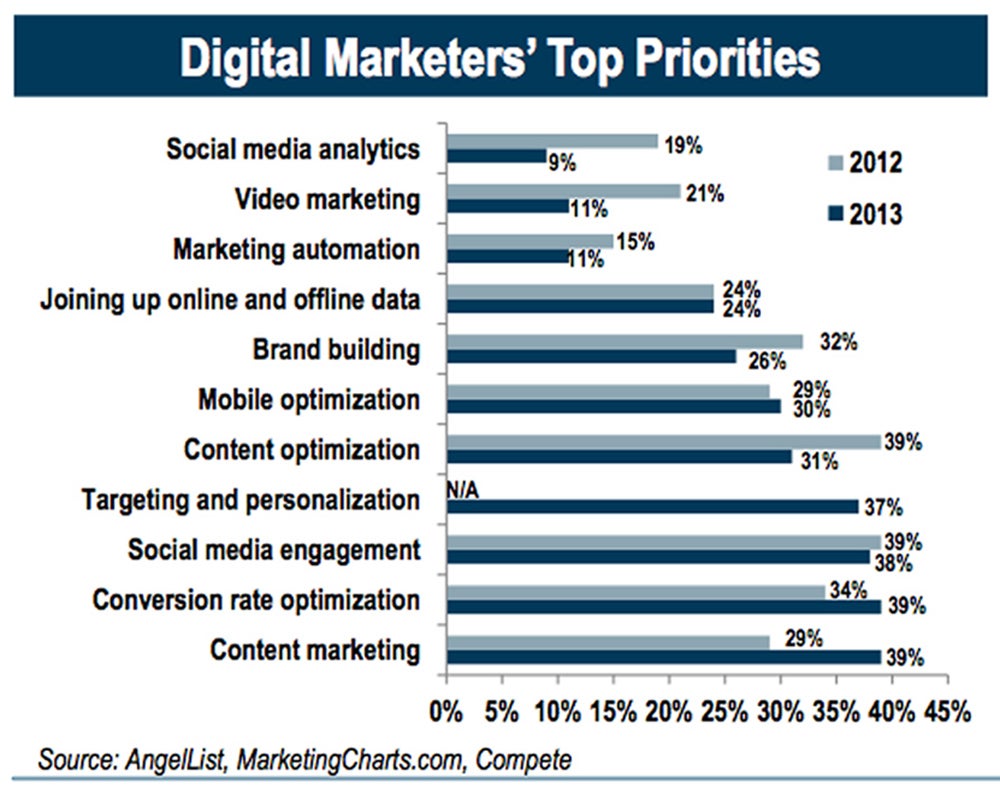
Some of the top digital priorities for marketers, according to the Siemer study, were conversion rate optimization, content optimization, and content marketing, which led the pack with 39% of marketers identifying it as a priority. Targeting and personalization was high up on the list at 37% of marketers, along with brand building, social media engagement, and mobile optimization.
Another area of rapid growth is the “vertically integrated niche player,” which spans such companies as Nasty Gal vintage clothing and Fab.com. A majority of niche players exist in the digital realm only, and have amassed more than $1 billion in revenue in 2012. Additionally, the era of the flash sale site has not ended, as Gilt Groupe, Hautelook, and Beyond the Rack continue to attract loyal customers.
Nordstrom, which purchased HauteLook for $180 million in 2011, marked the beginning of a convergence of the in-store and online experience, which has led to growing need for “omnichannel” solutions that help companies optimize their marketing and purchase funnels.

Taking a cue from online retailer eBay’s GSI Commerce platform that integrates ecommerce with inventory management, traditional big-box retailers like Walmart will continue to experiment with technology to gain a competitive edge. Walmart Labs’ Mupd8 analytics platform extracts videos, images, location intelligence, and status updates from social media streams to help the retailer track key influencers and product resonance to put toward online marketing efforts.