Since 2011, ecommerce startup BarkBox has been delivering boxes of toys and treats to dogs and their owners.
The six-year-old subscription service has half a million subscribers, became profitable in Q1 and is projected to reach $150 million in revenue for 2017.
In August, BarkBox brought on Bank of America marketing vet Jay Livingston as CMO, and the company has pushed its products into brick-and-mortar retail through Bark-branded toys at Target.
The company, which acquired most of its subscribers using digital, has also expanded its channel mix into traditional media, including running its first hybrid campaign using direct-response TV (DRTV) ads and direct mail.
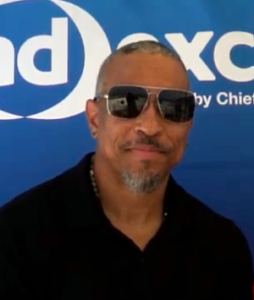
AdExchanger spoke with Livingston about the company’s marketing investments as the company reportedly eyes an IPO – or a potential sale – within the next six months.
AdExchanger: What differentiates BarkBox from other online subscription startups like Blue Apron, which has had a rocky run?
JAY LIVINGSTON: Even if you love your subscription box, the novelty kind of wears off after a couple of months. The killer app of our product is that the dog parent gets to experience their pet’s excitement each month. In some ways, we’re inoculated from some of the challenges other subscription services encounter when boxes wear out their initial appeal.

Subscription marketing is a delicate dance between acquisition and retention. What’s BarkBox’s strategy to maintain user growth?
When I got here, we had already been doing a couple of things well. We are first and foremost digital marketers, so we did a good job building this massive social media audience, which creates a constant dialogue with our customers around the dog lifestyle.
We do a lot of paid social marketing. We test creative constantly [to create] efficiencies. We’re also thinking about how we expand into other channels, some of which are more traditional and some of which are more cutting edge.
You’re doing a hybrid DRTV direct mail campaign, aren’t you?
We just launched our first direct-response television ad a couple of weeks ago following the original formula we used in digital through test-and-learn.
We combined the TV ad with direct mail, which we’ve never done in the past, and then backed that into digital to create awareness by combining the traditional television spot with digital offers and direct mail.
Our next step is figuring out how we do a better job of radio and print or maybe experiential marketing. It’s hard to commit a lot of dollars to [experimental] areas because you do need to prove it out. I’m hoping to demonstrate where there are opportunities we can take advantage of to build more awareness.
Why DRTV?
There is addressable television, where you go right to specific cable boxes, but it’s still very expensive and it’s hard to get scale with that. Even if you prove that out, to some degree, there’s not as much scale available to you because it’s limited to a certain amount of boxes that do it.
We have worked with our agency to compare [sales from addressable buys] to a national spot. We now have the ability to track minute-to-minute when a commercial is running on national TV. … Tools for attribution have gotten better.
What’s the unique challenge of moving from ecommerce to in-store?
You’ve got to capture someone walking by who may not be familiar with your lifestyle [brand]. They probably haven’t followed you on social media for five weeks before they pull the trigger. They have to be enticed by your packaging and other elements in-store.
So we’re thinking about how we translate ourselves to the retail environment. We know we have a premium toy and product, but we have to create more engagement in a different way.
Our budgets are growing significantly from a marketing standpoint, and I’d say we’re very digitally heavy. We go with what’s working and stay fluid versus having very strict budgeting. If something is working, we’ll lean in on it pretty quickly.
Interview condensed.