


At Programmatic IO in New York earlier this week, as I left a session to grab some lunch, a smiling young man handed me a little survey card and a pen.
(I can say “young man” because I’m old.)
Anyway, I looked down at the card and saw the Privacy Sandbox logo at the top. The pen also said the same.
“Can you fill this out and let us know what you think?” he said, rather enthusiastically. “And you can keep the pen!”
I’m a sucker for free pens. I don’t think I’ve paid money for a pen since college.

I smiled back and read the card more carefully. The first question was: “How would you rate your understanding of the Privacy Sandbox initiative prior to today?” The next was: “How would you rate your level of understanding after attending today’s Privacy Sandbox session?”
Very good questions, considering a recent YouGov study commissioned by Adform, which found that more than half (53%) of marketers globally say they are not well prepared for the end of third-party cookies.
Meanwhile, 57% of marketers say they are not “fully aware” of available solutions to replace third-party cookies.
🍪 🤷
Not great, considering third-party cookie deprecation is nigh.
Yes, Google pushed back the deadline twice. But barring action by the UK’s competition regulator, which has oversight over Google’s rollout of the Privacy Sandbox, third-party cookies in Chrome are dunzo.
Google made the Privacy Sandbox APIs generally available for the majority of Chrome users earlier this month. (No word yet on user adoption rates.) The next step will be to remove third-party cookies for 1% of traffic during the first quarter of 2024 followed by a full phaseout for 100% of users by the end of next year.
So, back to the question. “How would you rate your understanding of the Privacy Sandbox initiative?”
Personally, I can only answer that question qualitatively. I’m an industry observer, not a technologist. (Although I did keep the pen.)
What I do know, however, is that, despite general grumblings over the years, criticisms of Google’s approach and concern that removing third-party cookies in Chrome will give Google a competitive advantage, this thing is happening.
Which means the best time to have started testing cookie alternatives, including the Chrome Privacy Sandbox APIs, was yesterday. The second-best time is now.
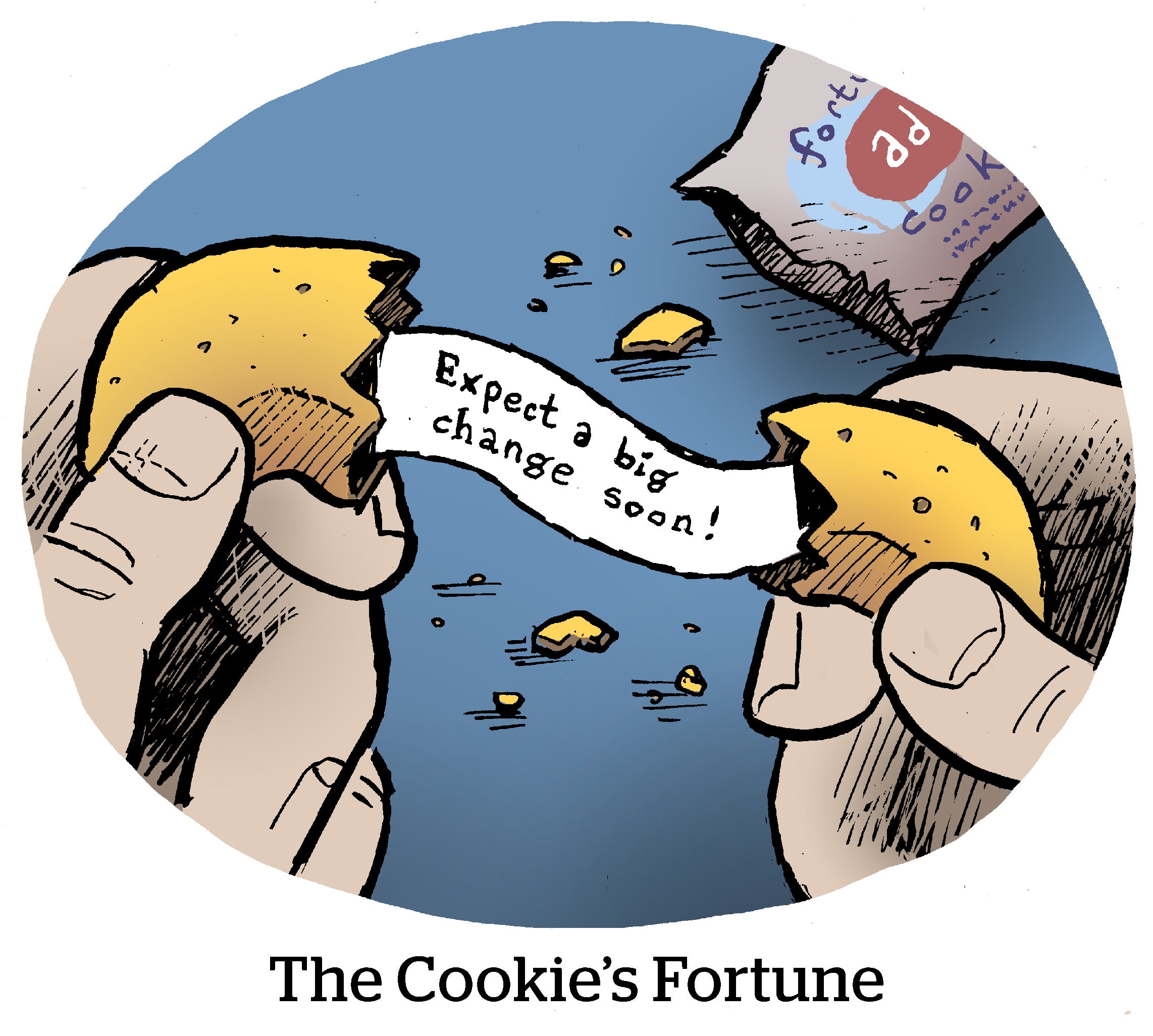 But as Ana Milicevic, a principal at Sparrow Advisers, put it at an event I went to in June hosted by ID5, it’s like companies are “hitting the snooze button.”
And although just 43% of marketers say they’re aware of third-party cookie replacement solutions, I assume almost everyone is familiar with this expression: You snooze, you lose.
Put another way: If you’re snoozing, then you’re cruising for a bruising.
(Forgive me. I’m a sucker for rhymes, too.)
So, what’s your post-cookie plan?
It’s been a long week (this cat knows) but a good week – now bring on the weekend. As always, thanks for reading! Let me know what you think. Drop me a line at allison@adexchanger.com.








