
Why The Small Get Smaller; Call It Community College
Perplexity is thirsty for revenue streams; Marketecture’s media biz grows; and Duolingo goes dark on social after its AI pivot.

Perplexity is thirsty for revenue streams; Marketecture’s media biz grows; and Duolingo goes dark on social after its AI pivot.

AirBNB considers introducing ads (just not right now); antitrust enforcement is about more than shrinking Big Tech; and broadcasters want to get the ball rolling on sports again.

OpenAI will almost certainly launch an ads business; live sports broadcasts are opening up to programmatic; brands and publishers are not happy about Google’s AI overviews.

Walmart is loving its ad business more every day; AI agents are coming to destroy everything; YouTube is trying to win over brands.

The CFPB backtracks on plans to bar data brokers from selling financial data; Jamie Lee Curtis takes on Mark Zuckerberg over fake AI ads; and Gas Station TV drives traffic to Applebee’s.

Marketing On Autopilot Companies that build AI-powered marketing software have been framing the technology as a friendly helper. Nothing to fear here, just an eager “copilot” ready to serve. The AI “copilot” that first comes to mind for most people is Microsoft’s generative AI chatbot of the same name. GitHub, meanwhile, which is owned by […]
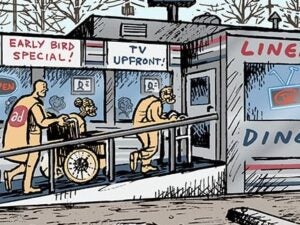
Ever since 2020, TV upfront rates have declined; inconsistent metrics mean inaccurate results; plus, Roblox is touting its strong hold on its viewers’ (er, gamers’) attention.

Jerry Dischler leaves Google; a bunch of marketing execs join AI companies; agency holdcos don’t know which way is up.

Shopify is growing its advertising and data business; the privacy train is slowing down; Roku is striking deals to make its data more accessible.
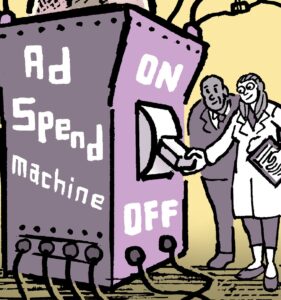
At NewFronts, marketers weigh new budget priorities under the Trump tariffs; The New York Times isn’t letting tariffs temper its 2025 outlook; and video podcasting is taking over CTV.

WPP’s GroupM is getting a new name; there’s no such thing as a TikTok ban at NewFronts; and Meta’s ad growth prospects might be plateauing.
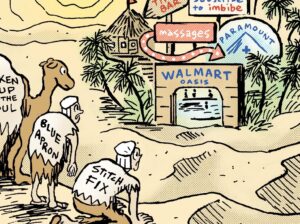
Why did Walmart buy Vizio? What happens when a CTV campaign turns on the S&P500+? Is Google losing its search engine edge?
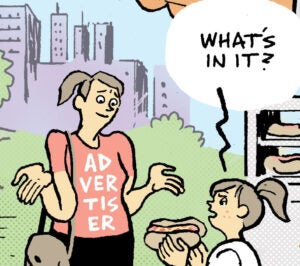
Does programmatic feel like it’s gotten more confusing? It’s not just you. Plus, Fubo’s ad revenue dropped during Q1 and Bing might not be as big a punchline as we all thought.

LinkedIn launches a creator rev share program; AdSense comes to third-party AI chatbots; and the verdict in Apple v. Epic Games cracks down on Apple’s App Store fees.

PayPal embraces off-site media but says no to data sales; Google pivoted on cookies again, but what about the Google Ad ID?; and gen AI bots are blowing up publisher server costs.
Agentic AI aims to take the work out of campaign targeting; marketers are increasingly using retail media data in non-retail channels; and Puma drives sales by re-embracing its branding.

The programmatic “sustainability” and “waste” conversation has shifted. Plus, the 2010s called – they want Facebook back.

Etsy sellers aren’t feeling great about the US tariff situation. Plus, X’s data licensing and subscription revenue is increasing.

IPG’s overall revenue declined again last quarter. Plus, Samsung has a bold plan to put more screens all over the place.
Criteo dives into video ads; after 20 years, YouTube might be the world’s biggest media brand; Threads opens up for advertising.

Shopify checkout might be coming to ChatGPT; private equity builds a French ad tech stack; and how Meta turning off news in Canada is affecting news access ahead of this month’s election.

Chalk one up for digital out-of-home. Plus, Even Amazon is responding on the fly to tariff policies.

What does the end of impulse shopping mean for advertising? Plus, Remember Google+? Meta sure hopes you don’t.
Earlier this year, Pinterest conducted reviews of five potential ad tech acquisitions. Plus, what do LLMs think is the best retail media tech for retailers, and why?
Do Google AI Overviews really bring exposure to more websites?; Meta considered an all-ad Instagram feed; and agencies are cautiously optimistic even as tariff concerns threaten upfronts season.

Temu’s US ad spend grinds to a halt; Publicis posts a strong Q1; and creative personalization tech is back in vogue.
Lyft is expanding its retail media business by decoupling its first-party data from its media. Plus, how will an economic downturn play out for influencers?
The rest of the world is still preparing its tariff countermeasures. Plus Google has started inserting links to new Google searches into AI overviews.

A German appeals court recently ruled that major social ad platforms may not suspend or deactivate accounts without notice. Plus, the Yahoo DSP business is potentially up for sale.

Agencies around the globe weigh in on principal-based buying; live sports are king, but new sports like F1 are having trouble gaining traction; and Adobe gets roasted by Bluesky’s artist community.

Agencies and marketers discussed the future of AI governance at AdExchanger’s Programmatic IO NYC this week. The main takeaway? Expect insurers to play an increasingly important role in managing AI compliance.

The Trade Desk is unable to serve ads to the Safari browser for Apple device owners that have downloaded iOS 27. Apple has been investigating the issue since last week.

The open web is done, stick a fork in it. Banner blindness is near universal, search traffic has run dry and publishers are struggling for oxygen. But what if that’s … not true?


Attention, publishers: Although you might not think of yourself as a data broker, in the great state of New Jersey, that’s not really your call anymore.

MMM can tell marketers what worked, but Lifesight’s open-sourced forecasting tool aims to tell them what to do next.

As programmatic buying becomes more common in audio, marketers and platforms fight the temptation to cram in as many placements as possible.