
AIO? More like, “Ehh, I Owe You Nothing”; Passing A (Regulatory) Review
Google maintains its AI overviews are a boon for web traffic. Plus, there’s more than one way to combat fake reviews.

Google maintains its AI overviews are a boon for web traffic. Plus, there’s more than one way to combat fake reviews.
Everything is (or becomes) an ad network. And then it gets ruined. Plus, there’s something the Trump administration has in common with the ad tech world.

No, “ROMO” doesn’t have to do with the former Dallas Cowboys quarterback. Plus, X is dealing with the fallout of a massive data breach.

The Google PMax whisperer releases his latest annual report; publishers brace for more disruptions from Google search updates; and stolen content is the least of Wikipedia’s gen AI concerns.

No punches pulled in another Senate hearing on Big Tech’s excesses; Nielsen’s lawsuits accusing competitors of IP infringement keep getting dismissed; and investors grow wary of Reddit’s closeness to Google.
2025 will be the first year YouTube wins at ad revenue. Plus, d’ya hear that? It’s the sound of the mobile ad tech ecosystem saying, “We told you so.”

The wave of CDP consolidation is riding strong. Plus, AppLovin CEO Adam Foroughi responded to reports that short sellers are targeting the company.

Google is full-steam ahead with AI Overviews. Plus, don’t post AI-generated pictures in the style of Studio Ghibli.
Daily Mail’s ad-light subscription soars; YouTube Shorts takes another cue from TikTok; and MAGNA predicts an ad spend slump due to tariff-induced uncertainty.

Meta introduces new ad placements, promo opportunities and AI prompts; an influencer campaign prompts right-wing influencers to oppose RFK Jr.’s soda crackdown; and transcription platform Otter launches an AI assistant.

Operating a genetic testing business is difficult. Plus, YouTube has become the biggest platform for podcast consumption.
Could AppleTV+ be the next CTV platform to turn to ads in order to turn a profit? Plus, the bubble may have already burst on creators launching direct-to-consumer brands.

Companies are now leaning toward slick, scripted video series ok TikTok. Plus, expect any future OpenAI ads to be less than traditional.

The Trade Desk’s weak Q4 emboldened the company’s critics; DOGE’s cuts to federal agencies are hurting ad agencies; and President Trump fires the two remaining Democratic FTC commissioners.
Oracle’s TikTok bid is a warmed-over Project Texas; Amazon’s ads biz has its sights set on Google; and gen AI search is a good traffic source for retailers, but bad for news pubs.

Dotdash Meredith (DDM) has hired Jim Lawson to run its ad tech division D/Cipher. Plus, can Target become a true advertising powerhouse?

Omnicom and IPG have both received additional information requests from the FTC about their merger. Plus, publishers don’t know how AI overviews fit into their referral traffic.

Sonos’s woes ding The Trade Desk; WPP’s AI investments may not keep Coke from switching to Publicis; and feminized Swedish tobacco products find an audience in the US manosphere.

AI-equipped consumer products keep failing; why the newsletter boom might be nothing but spam; and retaliatory tariffs hit America where it hurts.
Who controls the retail media (RMN) budget? Plus, this year YouTube will close out the upfronts

Is the threat of tariffs like the end of third-party cookies? Plus, Roblox is ramping its in-house programmatic ambitions.

What exactly are joint business partnerships? Plus, AI chatbot responses may be susceptible to Russian propaganda.
PMax has joined Search as what Google dubs “the power pair.” Plus, TikTok usage and ad spend are still dropping.
Amazon’s ad tech ambitions are crowding out Amazon specialists; EU regulators have concerns about Apple ATT; and Google says breaking it up could threaten national security.
T-Mobile may be considering an acquisition in the mobile data market; Google’s glitch shuts down ads for a weekend; and ad tech’s old guard is salivating over AI startups.
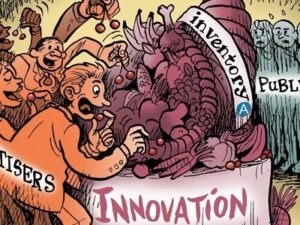
Google has been spotted triple serving ads to search pages. Plus, good luck getting ads next to Oscars content this year.

Pinterest is being overrun with low-effort generative AI slop. Plus, Stagwell partially credits its 14% growth last year to – you guessed it – AI.

WPP shares dipped to a four-year low on after posting its 2024 earnings results. Plus: How brands are courting virality.
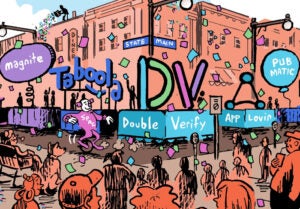
DoubleVerify adds Rockerbox to its attribution stack; Taboola courts performance marketers with a new ad platform; and the end of the MLB/ESPN deal spells opportunity for sports streamers.
YouTube advertisers prefer long-form videos to Shorts; Microsoft tests an ad-supported version of its Office suite; and Chegg sues Google over lost traffic from gen AI search.

The Trade Desk is unable to serve ads to the Safari browser for Apple device owners that have downloaded iOS 27. Apple has been investigating the issue since last week.

The open web is done, stick a fork in it. Banner blindness is near universal, search traffic has run dry and publishers are struggling for oxygen. But what if that’s … not true?

Attention, publishers: Although you might not think of yourself as a data broker, in the great state of New Jersey, that’s not really your call anymore.


MMM can tell marketers what worked, but Lifesight’s open-sourced forecasting tool aims to tell them what to do next.

As programmatic buying becomes more common in audio, marketers and platforms fight the temptation to cram in as many placements as possible.

Connected TV advertisers are still pining after show-level control. And PubMatic announced contextual targeting at the episode level is available to media buyers accessing CTV inventory through its platform.