

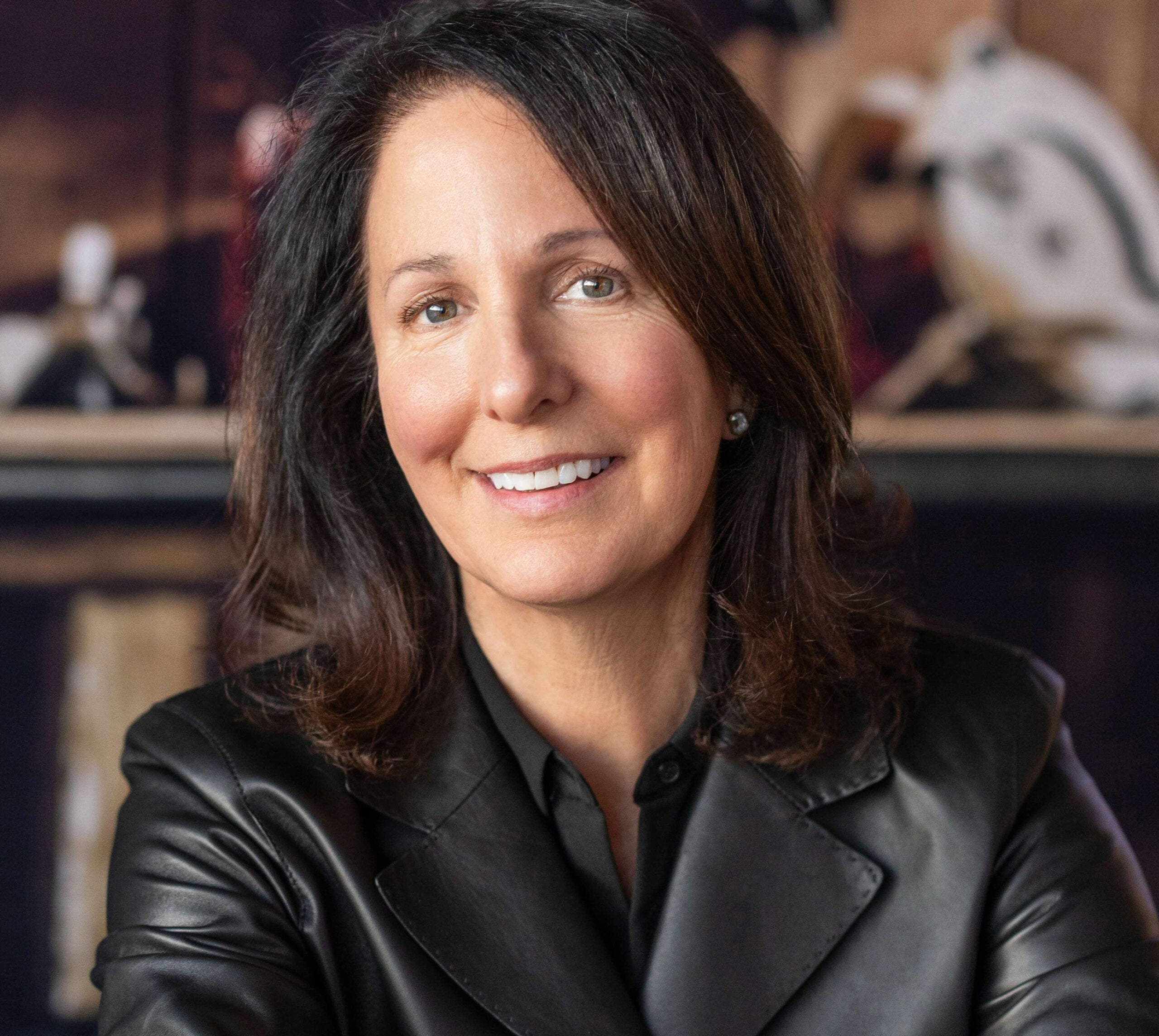

After more than three years as SVP of retail media at Albertsons, Kristi Argyilan is taking a ride over to Uber to lead its advertising business.
She’s stepping into the role vacated by Mark Grether when he left in May to lead PayPal Ads.
Her first day is Wednesday and her first order of business is setting up her laptop, she joked.
But Argyilan plans to kick off the New Year “in a meaningful, powerful way,” she said, as in, she’ll be at CES in Las Vegas in January, and it’ll be a whirlwind of meetings.
“I want to sit with Uber Ads clients and get feedback from them,” she said. “I want to know what’s been working well and what areas they want us to reinforce or get into.”
Before Albertsons, Argyilan was SVP of brand innovation at Bed Bath & Beyond and president of Roundel – Target’s retail media business – which she also helped launch.
She spoke with AdExchanger the day before taking the reins at Uber Ads.

AdExchanger: What precipitated the move to Uber?
KRISTI ARGYILAN: I love the signals Uber has as an ads business built around how people move in the world. But it’s not just about the places people go; it’s also about the things they have brought to them.
The delivery business and the mobility piece are super interesting from a media and advertising perspective, and so is the scale. This is a two-year-old business, and it’s already a billion dollars.
I was going to ask if you’ll miss the grocery business, but I guess you’re not actually leaving it, since Uber has a grocery delivery service.
That’s where my experience on the grocery side applies, with Uber Eats. In many ways, my previous experiences carry right over into Uber.
Are there certain universal truths that apply to media networks regardless of the industry?
Many of the areas where retail media businesses thrive and where they feel friction or struggle are consistent across different types of businesses.
Running an ads business within a company whose main business isn’t advertising means a lot of internal advocacy tasks so that people inside understand the benefits of retail media. Building internal collaboration is as important as building a differentiated offering.
At Albertsons, you were very involved in the push for retail media standardization. Will that still be a priority for you at Uber?
Absolutely. Standardization is critical for any retail media business, because we all consistently hear from advertisers about the complexity of dealing with hundreds of snowflakes.
We’re all a little different, and that’s just not sustainable for our clients. I’ve heard some larger clients say, “I have to draw the line at seven retail media partners, because I can’t justify my company hiring people to manage more than that.”
So, if we don’t all standardize and the line gets drawn at seven, that ends up being a challenge for everyone except maybe Amazon and Walmart. We need to be above the line, and standardization and partnership is the only way to do that.
Uber riders are a captive audience. But they’re using the app as a utility and may not expect to see ads, which means you also have to make the advertising into a utility or it might annoy people. How do you thread that needle?
That’s true for every retailer, too. You need to add to the experience and not detract from it.
But especially when you consider all of the different engagement moments Uber has with its users, the onus really is on us to create content that is entertaining, engaging and welcomed rather than intrusive.
The advertising industry has a lot of “godfathers.” Boris Mouzykantskii of IPONWEB and Brian O’Kelley have each been referred to as the “godfather of ad tech” at different points. But you never hear about godmothers in ad tech. Are you the godmother of retail media? I think we need some godmothers.
If you want to give me that, I’ll take it!
Answers have been lightly edited and condensed.
For more articles featuring Kristi Argyilan, click here.







