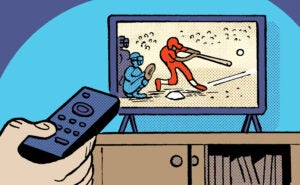
Oreo’s humorous tweet referring the temporary power outage at the Super Dome in New Orleans that halted the Super Bowl action between the ultimately victorious Baltimore Ravens over the San Francisco 49ners was hailed as the marketing play of the game.
Oreo’s message that “you can still dunk in the dark” caught fire on Twitter, and may have seemed like a clever, if lucky break for the brand. But as Lisa Mann, SVP, Global Gum Category, Mondelēz International (fka “Kraft Foods”) said at the 4A’s Transformation: The Idea Affect conference, which was coincidentally (or just more good planning?) across the street from the Super Dome at the Hyatt Regency, it was hardly an overnight success.
In a conversation with Bryan Wiener, Chairman & CEO, 360i, the social media agency that helped direct Oreo’s Twitter strategy, Mann said that the company and all its stakeholders — the marketing, legal and agency teams — had established a set of rhythms that enabled them to capitalize on the blackout incident in real-time. “The Super Bowl tweet made our social media outreach seem like an overnight success, but it took a year-and-half of practice to prepare for that moment,” Mann said.

The practice began almost two years ago, as the brand approached its 100th birthday. Mann and the team decided they would try to do something social every day, rather than just do a one-off special event.
“The first thing we did was throw a kids party in the conference room and had kids of all ages talk about their birthdays and the iconic nature of the birthday and the iconic nature of Oreos,” Mann said. “We felt we wanted to bring it to everyone – and that meant it wasn’t television. We wanted a birthday party in every grocery store in America, so we came up with the idea of the ‘Daily Twist.'”
That concept stressed listening to consumers via Facebook and Twitter and finding a way to relate to whatever was going on with them every day. While politics was suggested as one way Oreo could try to relate to the audience, it was quickly decided that a brand that wanted to stress insouciance and innocence probably shouldn’t go there. “Aside from steering clear of politics, we learned to manage slow slow news days, but we set out to be simple,” Mann said.
The company eventually set up a war room to figure out what was meaningful to its followers — who include some 32 million individuals on Facebook and about 80,000 on Twitter.
Part of the reason of Oreo’s success with the tweet had to do with its focus on paid media as well as earned media.
Towards the end of their conversation, Wiener referenced a statistic mentioned earlier in the day by Ann Lewnes, CMO of Adobe, who told attendees that marketers still only spend a quarter of their budget on digital advertising. (By contrast, she said Adobe spends close to three-quarters of its marketing on interactive, though that is where the software company’s business is largely focused, unlike a snack brand that has to move products off store shelves.)
“You can’t just listen to media mix modeling. There’s not enough info, even with all the data we have these days,” Mann said, declining to say what Oreo’s digital ad allocation is. “You have to trust your gut. My kids are 20 and 17 and they said they never click on an ad. That’s something that’s stayed with me and so we always want to find other ways of communicating with consumers. We’re trying to get better at it. Ultimately, if you want to see higher digital budgets, you have show what works. Success breeds success and drives budgets.”