
For many CTV insiders, it’s long felt like a foregone conclusion that Roku would eventually get gobbled up by a much bigger fish.
Now, the day has finally arrived.
Fox has announced plans to acquire Roku for $22 billion, the corporation announced on Monday.
The deal would bring all of Roku’s ad tech capabilities and first-party data from over 100 million global streaming households under the umbrella of Fox’s existing products and services.
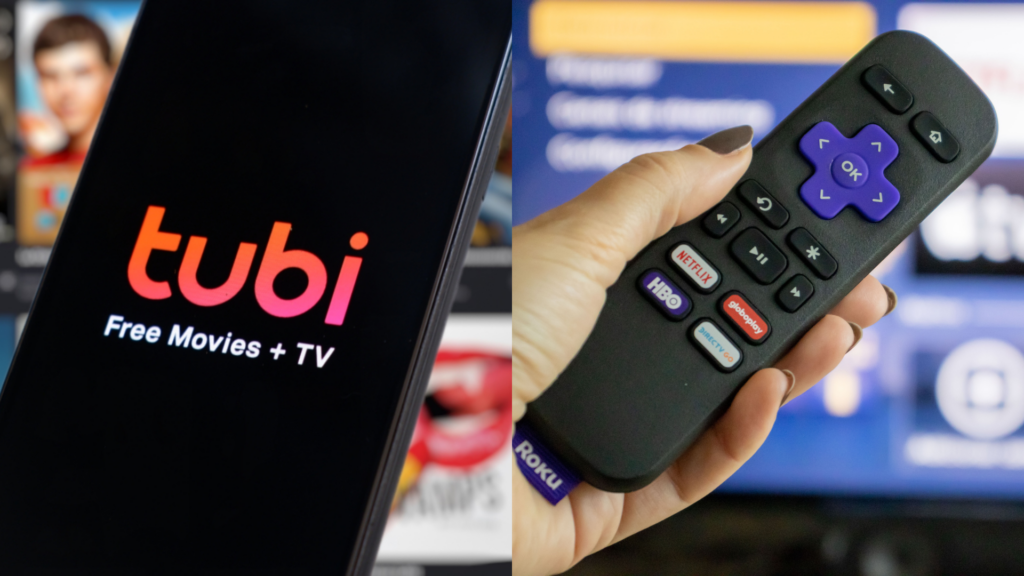
On top of that, Fox would also own both of the top two most popular free streaming services in the US: The Roku Channel, which offers access to FAST channels, and Tubi, which is an ad-supported video-on-demand (AVOD) service. As of March, both platforms together made up 5.2% of all US streaming viewership, according to the Nielsen Gauge.
Two great tastes…
The potential combination of The Roku Channel and Tubi is especially ironic, given that Fox sold its stake in Roku to acquire Tubi for $440 million back in March 2020.
Despite that particularly prescient purchase – Tubi recently posted its highest viewership to date and its second profitable quarter in a row – Fox has otherwise been slow to develop its streaming offerings at the same pace as its legacy broadcast competitors. Whereas services like Disney+ and NBCU-owned Peacock were launched in 2019 and 2020, respectively, Fox didn’t release its own streaming service until last year, with the launch of Fox One.
Acquiring Roku would allow Fox to significantly scale its CTV and ad tech capabilities, particularly via access to a new DSP and programmatic buying layer in the form of Roku OneView (formerly Dataxu).
Not to mention that having direct access to Roku’s first-party viewership data would not only give Fox better capabilities for targeting and measurement for its own ads, but also likely affect the way that other streamers are able to use that same data.
…that taste great together?
On the other hand, don’t expect Fox to merge both The Roku Channel and Tubi together the way that Warner Brothers did with HBO Max and Discovery+ (and the way that Paramount is now threatening to do with HBO Max and Paramount+).
During an investor call on Monday, Fox CEO Lachlan Murdoch noted that the The Roku Channel and Tubi are already “incredibly complementary” as is, and that there’s roughly a “third overlap” between their respective audiences. In other words, gaining wider reach across different consumer demographics is part of the appeal of owning both entities.
“It’s too early to say, but our expectation is fully that you keep the services separate,” Murdoch said. “They serve consumers and our viewers in different ways.”
Roku Founder and CEO Anthony Wood will remain at the combined company in “an ongoing role,” per Fox’s press release, and will join the board of directors after the deal is done. The transaction is expected to close in the first half of 2027, pending regulatory and shareholder approval.