

Netflix President of Advertising Jeremi Gorman was hired September 26. Less than two months later, on November 12, Netflix launched its ad-supported tier in 12 countries.
For now, Basic with Ads is focused on the basics, including ad tech and measurement partnerships and the rudiments of brand safety.
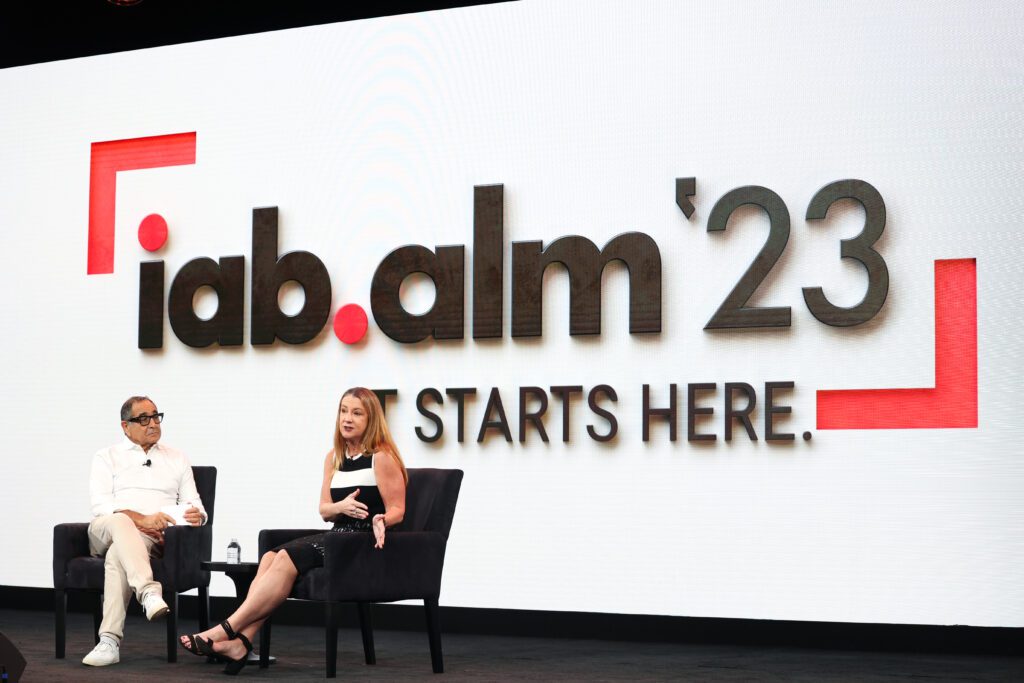
But Netflix is “ripping through all the things people need to meet the market,” Gorman said on Tuesday at the IAB Annual Leadership Meeting in Florida.
Gorman told the audience she wouldn’t have joined Netflix if it wanted to stop at the basics.
“If they had told me, ‘We’re going to do 15s, 30s and 60s. Do you want to come work here?’ I think my answer would have been no,” she said. “We have this opportunity to change the game in so many ways. What we launched with is not indicative of our long-term plans.”
As Gorman meets with clients this month, she’s been asking them what they want two years from now, in 2025.

Once the foundation is in place, Netflix plans to build an ad experience that goes beyond current CTV innovations, such as pause ads.
Here’s the lowdown on Netflix’s progress and plans:
1. Netflix already removed its lifetime ad frequency cap.
Ad frequency is a major annoyance for streamers. Netflix initially launched with a lifetime frequency cap for ad creatives to prevent consumers from being deluged with the same ad over and over again.
Then, it learned something interesting: The frequency cap didn’t work for automobile advertisers.
Remember all the car ads you saw on TV as a kid? Auto advertisers want consumers to see an ad over and over again (and over a long period of time) to build long-term brand love.
2. Netflix used AI to create ad slots.
Netflix’s content wasn’t created with ad breaks built in, which makes ad monetization rather tricky.
The company used AI to identify spots within a show or movie where the content fades to black or has a sound fade. Humans would then vet those decisions.
3. Netflix wants to design ad products around “binging” behavior.
Netflix knows its users consume the content on its platform in a unique way and sees opportunity to design ad experiences that tap into that binging behavior.
4. Scene-by-scene brand safety.
One of the more advanced “basics” Netflix wants to put in place is brand safety on a scene-by-scene basis rather than at the show or season level. Netflix also has partnerships with IAS and DoubleVerify, the OGs of digital advertising’s brand safety.
5. Content and commerce is “years away.”
Gorman said she once spent a long time tracking down a chandelier she saw on “Modern Family.”
Making it easier to find the clothing characters wear or knowing what car they’re driving is on Gorman’s radar. “We have a unique opportunity to connect those things in real time,” she said. “That’s years away, but I think people do look to content for inspiration.”
6. Engagement with AVOD is on par with SVOD.
Netflix launched AVOD with a somewhat pessimistic hypothesis about engagement, but “engagement is on par with non-ad-supported tiers,” Gorman said. And the more engagement you have, the more ads you have to sell.
Gorman, like Netflix leadership overall, is also paying close attention to subscriptions, which ticked way up last quarter to 7.7 net new subscribers. Retaining those customers is a top priority for Gorman.
“I absolutely believe we will change the game – as long as we keep the end consumers in mind and develop for them,” she said.








